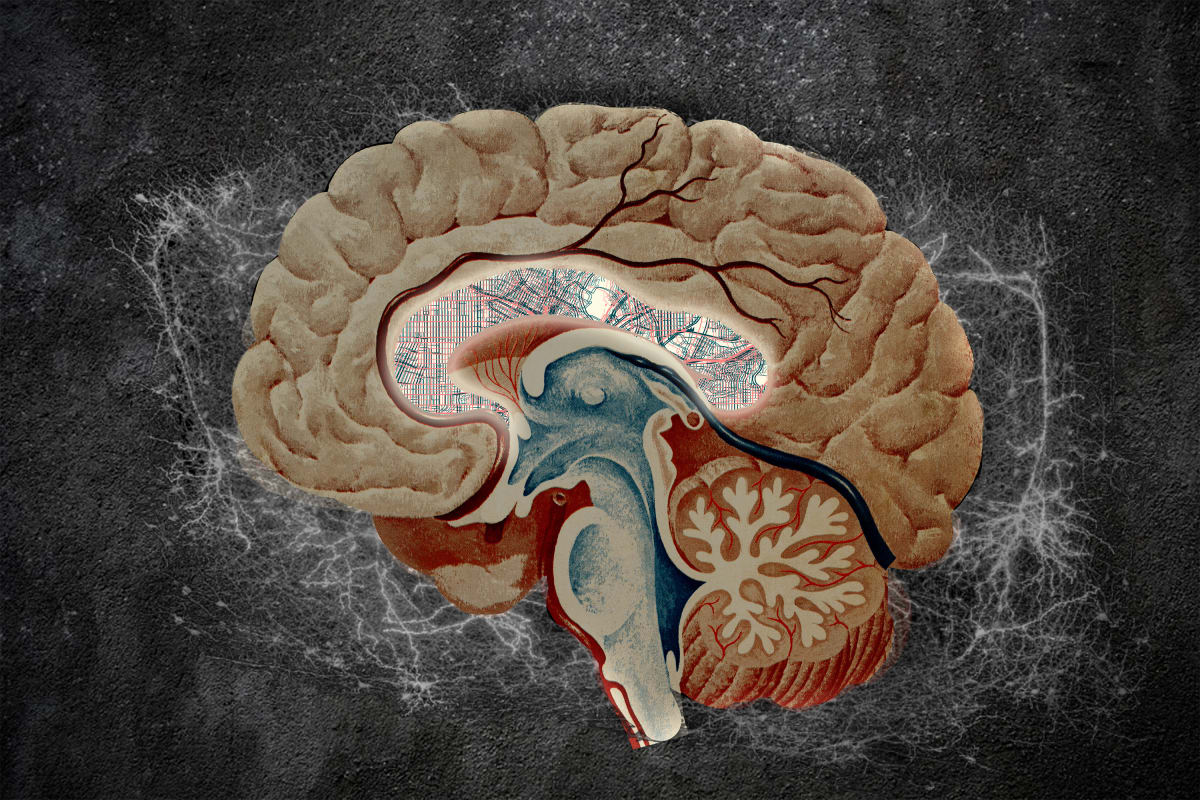
Scientists Discover 36 Genes That Could Unlock OCD Treatments
Researchers have identified 36 genes that significantly increase the risk for OCD and chronic tic disorders, opening the door to dozens of new treatment possibilities. The breakthrough could lead to therapies that target the root causes rather than just managing symptoms.
For millions of people living with obsessive-compulsive disorder and chronic tic conditions like Tourette syndrome, relief may finally be on the horizon.
Scientists have discovered 36 genes that substantially raise the risk for these disorders, a finding that could transform how we treat them. Until now, researchers only knew about a couple of strong genetic links, giving pharmaceutical companies very few targets for drug development.
"Now you've got over 30 targets, and that opens up new possibilities for treatment development," said Jay Tischfield, a distinguished professor at Rutgers School of Arts and Sciences. The study, published in Nature Neuroscience, analyzed DNA from nearly 4,000 people diagnosed with these conditions.
The discovery revealed something unexpected: many genes are shared between OCD and chronic tic disorders. At the biological level, both conditions appear to involve many of the same brain pathways, suggesting they're more closely related than previously understood.
What makes this breakthrough particularly promising is how these genes work together. "These genes don't act individually," Tischfield explained. "They act in networks. And now you can target whole networks, which will make it easier to design new therapies."
The genes influence how chemical signals move through the brain's circuitry, affecting communication between nerve cells. Understanding these biological systems means researchers can now design drugs that target underlying mechanisms rather than simply managing symptoms.
The Ripple Effect
The impact of this discovery extends beyond OCD and tic disorders. Several of the identified genes were previously linked to autism and schizophrenia, reinforcing growing evidence that multiple psychiatric conditions may stem from related disruptions in brain development and communication.
This connection could accelerate treatment development across multiple mental health conditions simultaneously. When researchers understand the shared biological pathways, advances in treating one disorder may unlock solutions for others.
For the hundreds of millions affected by these conditions worldwide, this research represents more than scientific progress. It represents hope for treatments that address root causes, potentially offering relief where previous therapies fell short.
The pharmaceutical industry now has a roadmap with over 30 specific targets to explore, dramatically increasing the chances of developing effective new medications in the coming years.
More Images


Based on reporting by Google News - Breakthrough Discovery
This story was written by BrightWire based on verified news reports.
Spread the positivity!
Share this good news with someone who needs it