MIT Brain Atlas Could Unlock Better Addiction Treatments
Scientists at MIT just mapped the most detailed atlas yet of the striatum, a brain region involved in addiction, Huntington's disease, and schizophrenia. The breakthrough reveals 31 distinct neuron types and explains why certain brain cells respond better to specific treatments.
Scientists just created a roadmap that could lead to safer, more effective treatments for addiction, schizophrenia, and other brain disorders.
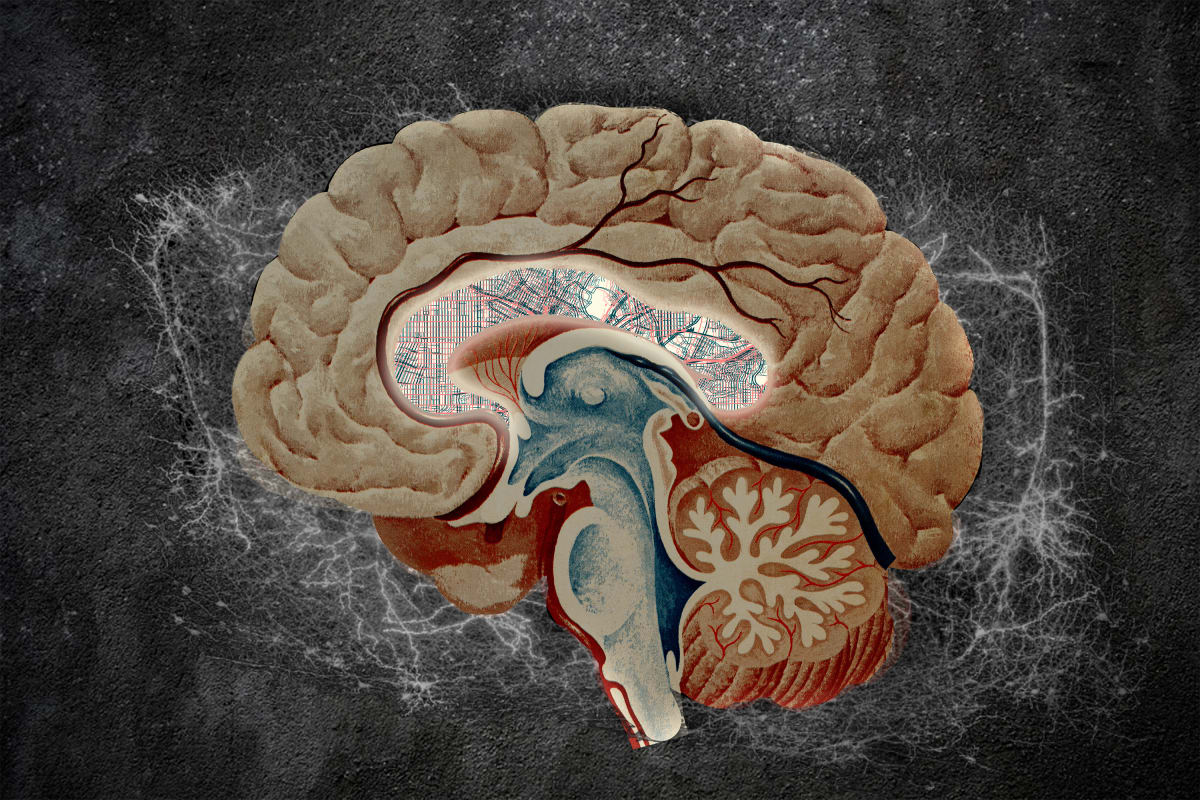
Researchers at MIT have published the most comprehensive atlas of the striatum, a deep brain region that controls movement, decision-making, and how we respond to rewards. Using advanced genetic sequencing on postmortem brain samples, they identified 31 distinct groups of neurons, including nine types never before categorized.
The team discovered two particularly exciting neuron populations they call "outliers." One group shows high activity in genes linked to opioid addiction. The other responds strongly to antidepressants, offering clues about why depression treatments work differently for different people.
Both populations also react powerfully to clozapine, one of the most effective antipsychotic drugs available. The problem? Doctors rarely prescribe it in the United States because it can cause fatal blood disorders in some patients.
Now that scientists know exactly which brain cells clozapine targets, they can work on designing new drugs that hit the same neurons without the dangerous side effects. That could mean life-changing relief for people with severe schizophrenia who haven't responded to other medications.
The atlas also solves a long-standing mystery about Huntington's disease, a fatal genetic disorder that causes involuntary movements and cognitive decline. The researchers pinpointed which neurons are most vulnerable to the disease, giving drug developers clear targets for protective therapies.
Why This Inspires
This isn't just academic research tucked away in a lab. It's a foundation that turns guesswork into precision. For decades, scientists have known the striatum matters for addiction and mental health, but they've been working without a detailed map.
Now they have one. Researchers developing treatments for opioid use disorder, depression, and psychosis finally know which specific cells they need to target. That means fewer failed drug trials and faster paths to medications that actually work.
The team worked with brain banks across the United States and Canada, carefully analyzing samples from different regions to ensure their atlas represented the full picture. Their three-pronged approach using genetic sequencing, spatial mapping, and molecular imaging created unprecedented detail.
Lead researchers Myriam Heiman, director of MIT's Picower Institute for Learning and Memory, and her colleagues see this as just the beginning. The atlas will guide their ongoing projects on Huntington's disease and opioid addiction, giving them targets they didn't have before.
Every major medical breakthrough starts with understanding exactly what's happening inside the body. This atlas hands researchers the detailed instructions they've been missing, turning the complex striatum from a puzzle into a solvable problem.
Based on reporting by MIT News
This story was written by BrightWire based on verified news reports.
Spread the positivity!
Share this good news with someone who needs it