Scientists discover 5 new mussel species in Mississippi
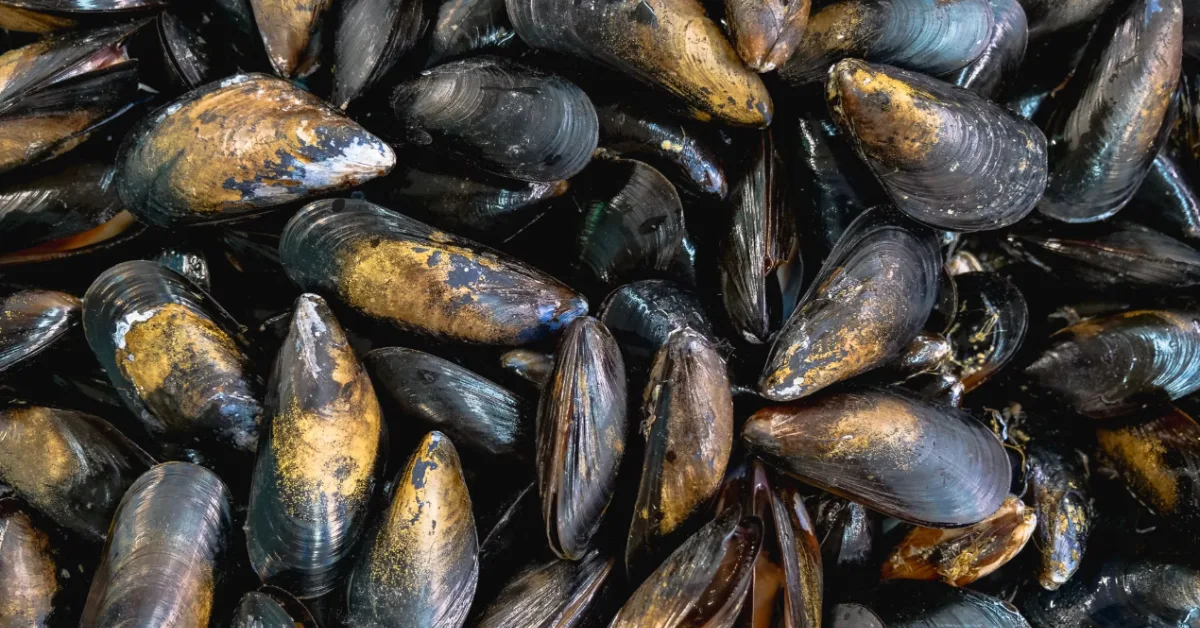
After 20 years of wading through muddy rivers, scientists have identified five new freshwater mussel species hiding in plain sight across the American South. The discovery comes at a critical time when 70% of North America's native mussels face extinction.
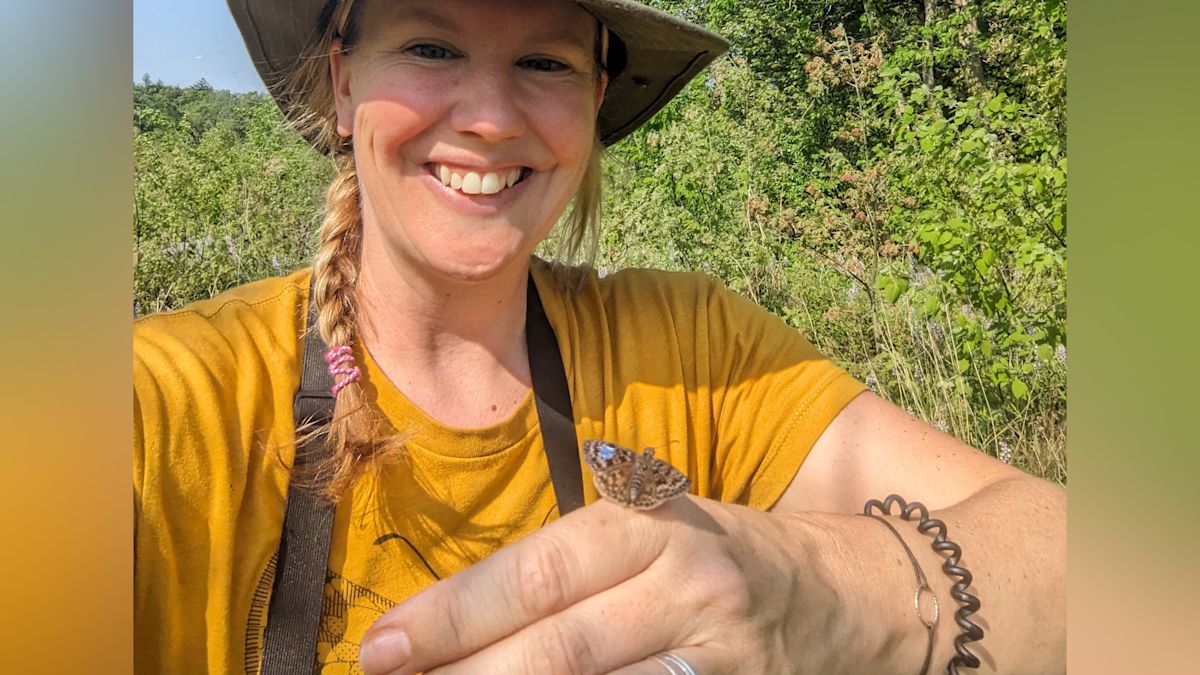
Scientists just found five new species of freshwater mussels living in rivers across Mississippi, Louisiana, Texas, Arkansas, Alabama, and Missouri. The discovery took two decades of researchers literally getting their feet wet, donning masks and snorkels to wade through rivers and collect genetic samples from mussel beds.
The team from Shedd Aquarium, Arkansas State University, and the U.S. Geological Survey published their findings in the journal Zootaxa in September. They identified the new species using DNA analysis after years of fieldwork in the Mississippi Embayment and Gulf coastal rivers.
Why does finding new mussels matter? These unassuming shellfish are environmental superheroes.
A single mussel can filter about 25 liters of water every day, removing bacteria, algae, and even carbon from rivers and streams. When they die, their shells create homes for countless tiny creatures on riverbeds, supporting entire underwater ecosystems.
The timing of this discovery couldn't be more important. Today, 70% of North America's roughly 300 native freshwater mussel species are listed as vulnerable, threatened, or endangered.
Invasive species like zebra mussels have wreaked havoc by smothering native mussels, preventing them from opening their shells to feed or breathe. Habitat loss and declining river health have pushed many species to the brink.
Why This Inspires
Lead researcher Kentaro Inoue from Shedd Aquarium put it simply: "Identifying new species is the foundation of biodiversity conservation." We can only protect what we know exists, and these five species were nearly lost before scientists even recognized them.
The researchers spent 20 years carefully documenting what was already there, proving that even in well-studied areas, nature still holds surprises. Their patient work gives conservationists new tools to protect these critical filter feeders.
Beyond wild populations, mussel and oyster farms are showing promise too. Studies found that mussel farms increase surrounding species abundance by 3.6 times and diversity by 1.1 times, making them some of the most sustainable seafood on the planet.
Finding five new species reminds us that discovery and conservation go hand in hand, and sometimes the most important breakthroughs happen right beneath our feet.
More Images

Based on reporting by Good Good Good
This story was written by BrightWire based on verified news reports.
Play Today’s BrightWire Positive Mini Crossword & Word Game
Keep your mind sharp with our free 5-minute uplifting daily crossword and positivity word puzzle.
Spread the positivity!
Share this good news with someone who needs it