Scientists Discover 9 New Sponge Species Off Alaska Coast
Researchers found nine new deep-sea sponge species in Alaskan waters, bringing the total known species to 232 and revealing how much marine life remains unexplored. These ancient filter-feeders create underwater forests that shelter fish and crabs while producing compounds that could help treat cancer.
Scientists just found nine new species of deep-sea sponges off the coast of Alaska, offering an exciting glimpse into the hidden world thriving beneath our oceans.
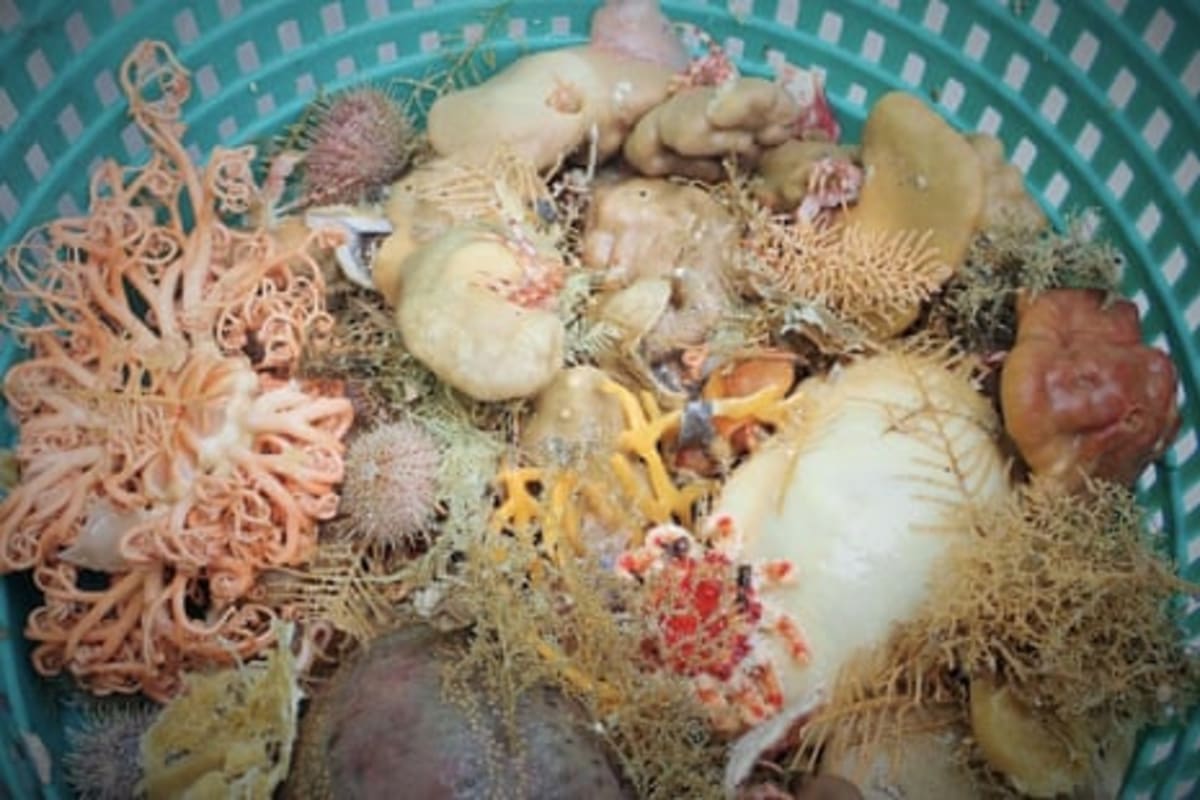
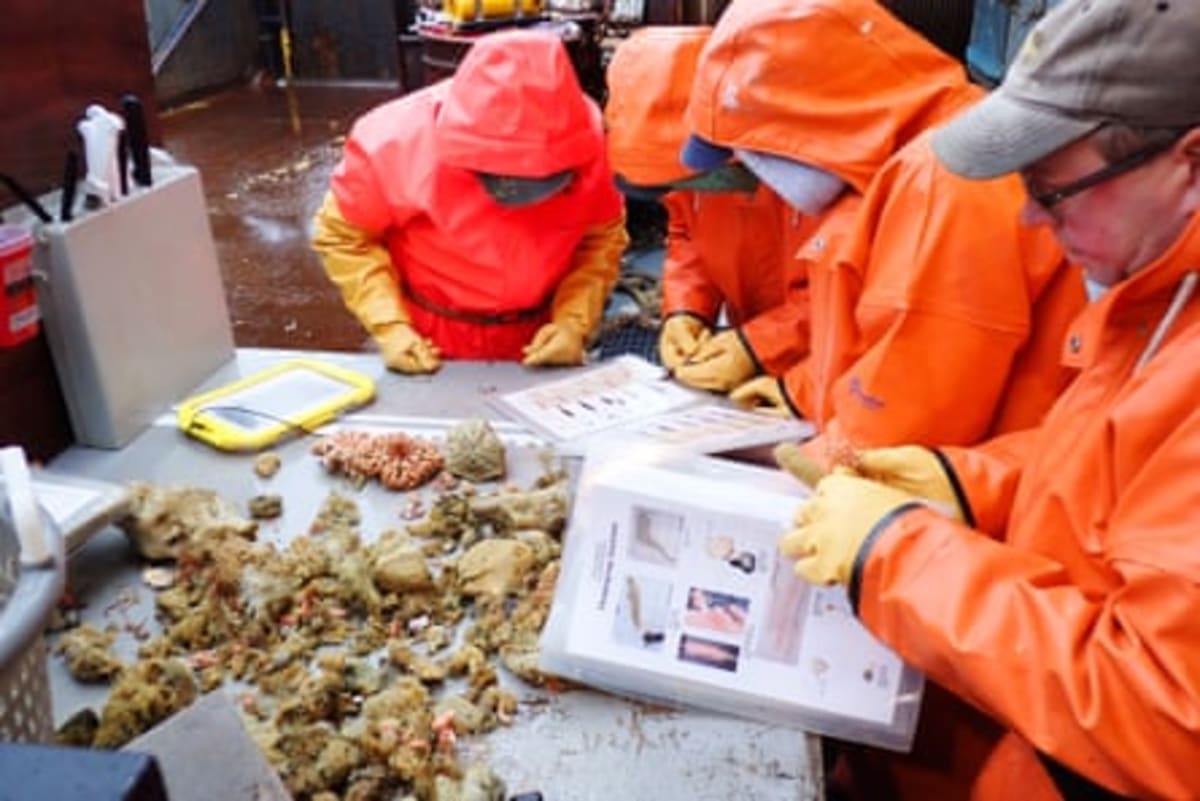
The National Oceanic and Atmospheric Administration announced the discovery Thursday, revealing that the new species were found in the Gulf of Alaska and the Aleutian Islands. Researchers analyzed samples collected during annual seafloor surveys dating back to 2012, bringing Alaska's total known sponge species to 232.
But here's the incredible part: scientists believe hundreds more species remain undiscovered in these deep waters.
"Each time we find a new species, it opens up new doors," said Sean Rooney, a NOAA fisheries biologist who co-authored the studies. Deep rocky areas are especially hard to reach, making each discovery even more valuable.
These sponges aren't just curiosities. They're among Earth's earliest multicellular animals, dating back more than 600 million years, and they play a critical role in ocean health today.
Like underwater forests, sponges create complex structures on the seafloor that provide shelter and refuge for commercially important fish and crabs. They constantly pump and filter seawater, helping maintain clean ocean habitats.
Identifying new sponge species takes serious detective work. Unlike fish with visible fins or distinctive body shapes, sponges lack obvious external features that set them apart.
Scientists rely on microscopic skeletons and DNA testing to tell species apart. "Sponge DNA can be tricky because they filter-feed, and within their tissues we may find foreign DNA," explained Meredith Everett, a NOAA biologist who developed new genetic barcodes for Alaskan species.
The Ripple Effect
These sponge discoveries reveal how protecting ocean habitats creates benefits that ripple outward in surprising ways. Dense sponge communities support fish populations that feed coastal communities and maintain healthy ocean ecosystems.
The sponges also produce unique chemicals to defend themselves against predators. Some of these natural compounds show promise for potential cancer treatments, demonstrating how protecting biodiversity could lead to medical breakthroughs.
The scientists emphasized that Alaska's waters likely hold hundreds more undiscovered sponge species, especially in rocky deep-sea areas that remain difficult to access with current technology.
Every new species discovered helps researchers better understand how these ancient creatures support modern ocean ecosystems and coastal economies that depend on healthy fish populations.
These findings remind us that our oceans still hold countless secrets waiting to be discovered, and each new species teaches us more about protecting the complex web of life beneath the waves.
More Images

Based on reporting by Guardian Environment
This story was written by BrightWire based on verified news reports.
Spread the positivity!
Share this good news with someone who needs it
%2Fhttps%3A%2F%2Ftf-cmsv2-smithsonianmag-media.s3.amazonaws.com%2Ffiler_public%2Fb1%2F80%2Fb180ba86-f7df-4b9b-8a16-bb7da22ea355%2Fmbari_bigfinsquid_d1510_01_1920.png)