Scientists Discover Bone Receptor That Could Reverse Aging
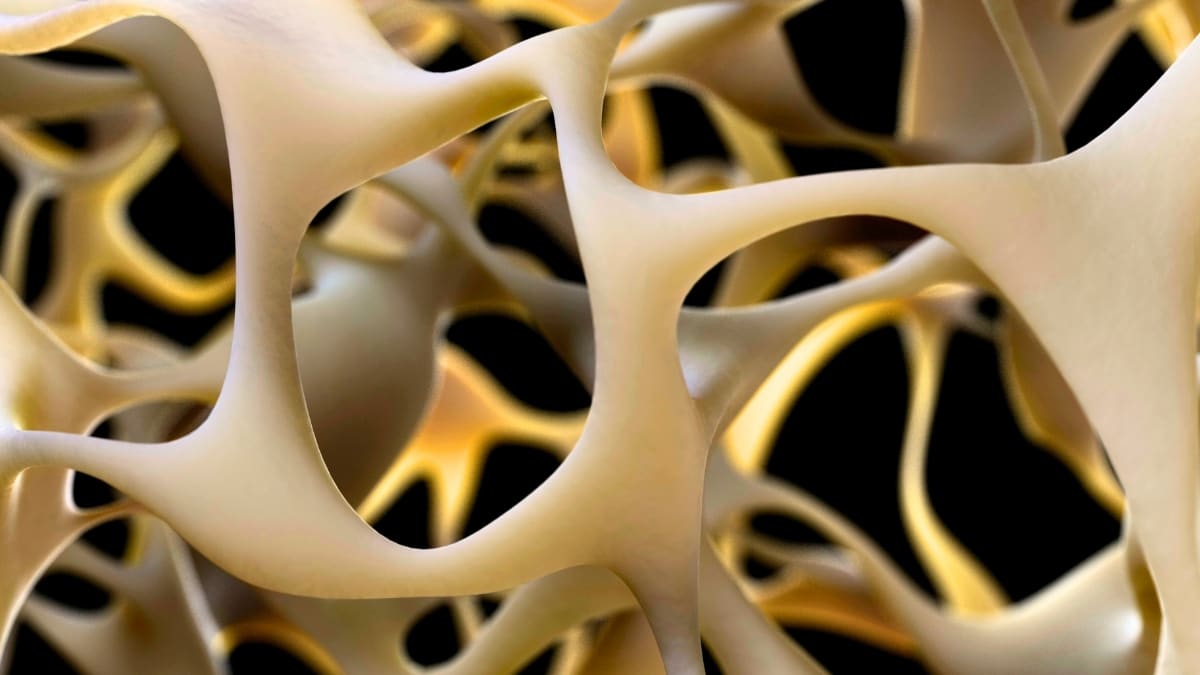
German and Chinese researchers identified a cell receptor that strengthens bones in mice, potentially offering the first way to reverse osteoporosis rather than just slow it. The breakthrough could transform treatment for millions living with weakened bones.
Scientists may have found a biological on-switch for stronger bones, opening the door to reversing osteoporosis instead of just managing it.
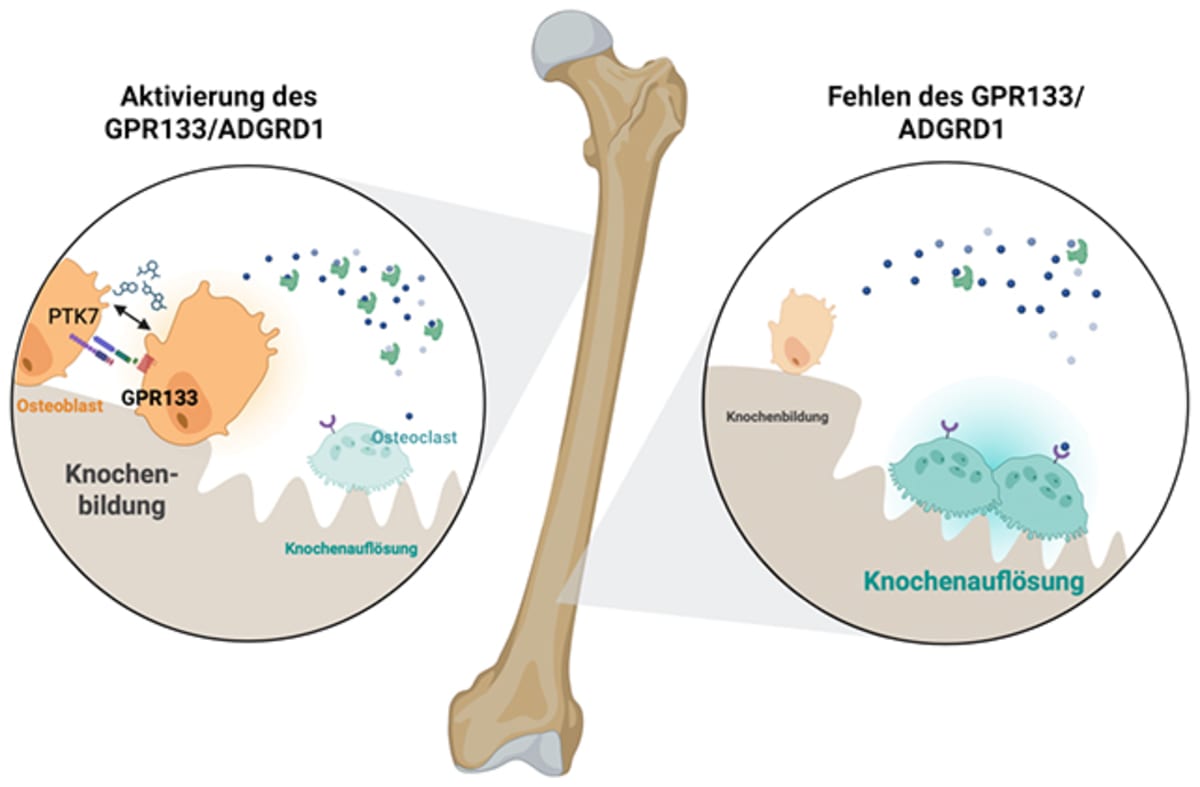
Researchers from the University of Leipzig in Germany and Shandong University in China discovered that a cell receptor called GPR133 plays a starring role in bone strength. When they activated this receptor in mice using a chemical called AP503, bone production jumped significantly.
The team tested mice without the GPR133 gene and watched them develop weak, osteoporosis-like bones. But when the receptor was present and activated, bones grew noticeably stronger. The effect was even more powerful when combined with exercise.
"We were able to significantly increase bone strength in both healthy and osteoporotic mice," said biochemist Ines Liebscher from the University of Leipzig. The chemical essentially pushes bone-building cells called osteoblasts into high gear.
This matters because osteoporosis affects millions worldwide, causing bones to become fragile and prone to fractures. Current treatments can only slow the disease's progress, and many come with risky side effects or lose effectiveness over time. No existing treatment can actually rebuild lost bone density.
The discovery builds on exciting recent bone research. In 2024, scientists developed a blood-based gel that supercharges bone repair by improving how blood clots form natural healing barriers. The gel can even be 3D printed for precise repairs.
That same year, another team found a hormone in female mice that creates remarkably strong, dense bones. When tested on both male and female mice, this maternal brain hormone produced bones stronger than anything researchers had achieved before.
Why This Inspires
These breakthroughs show scientists are finally cracking the code on bone strength by working with the body's own repair systems. Instead of just preventing bone loss, future treatments might actually restore bones to full health.
The GPR133 research is particularly promising because the receptor appears to work similarly in humans. Researchers hope future medications could strengthen already healthy bones and rebuild severely weakened ones, especially for women going through menopause.
While human trials are still ahead, the potential is enormous. An aging global population desperately needs better bone health solutions, and these discoveries offer genuine hope for stronger, healthier lives in our later years.
The future of bone treatment isn't just about slowing decline anymore.
More Images


Based on reporting by Google News - Health Breakthrough
This story was written by BrightWire based on verified news reports.
Spread the positivity!
Share this good news with someone who needs it