Moms Turn Bone Health Struggle Into Million-Dollar Win
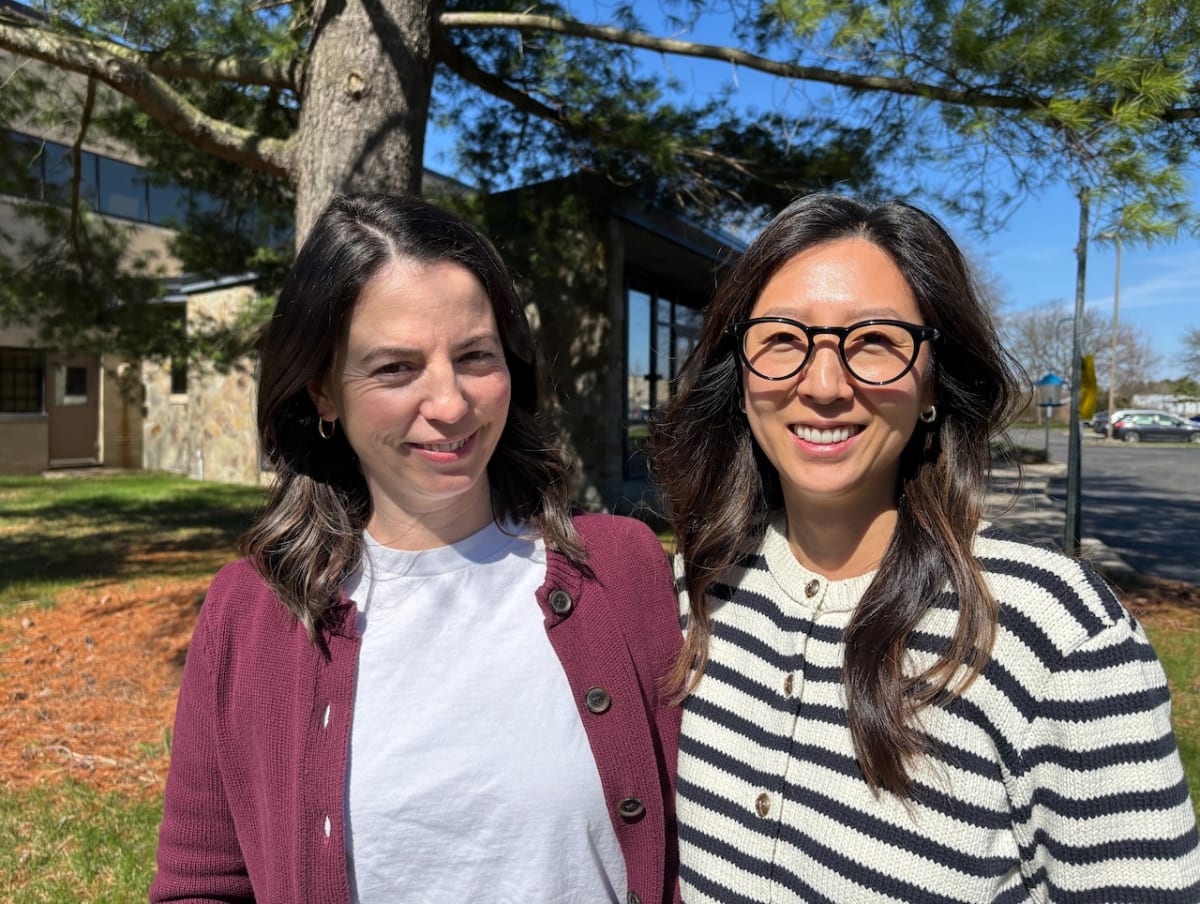
Two playground friends who both faced osteoporosis built a profitable startup in six months. Their calcium chew won $500,000 and became women-owned business of the year.
Find uplifting stories about heroes, innovations, and solutions
9 results for "osteoporosis"

Two playground friends who both faced osteoporosis built a profitable startup in six months. Their calcium chew won $500,000 and became women-owned business of the year.
German researchers discovered a receptor that could reverse bone loss in millions of osteoporosis patients. The compound strengthens both bones and muscles in aging adults.

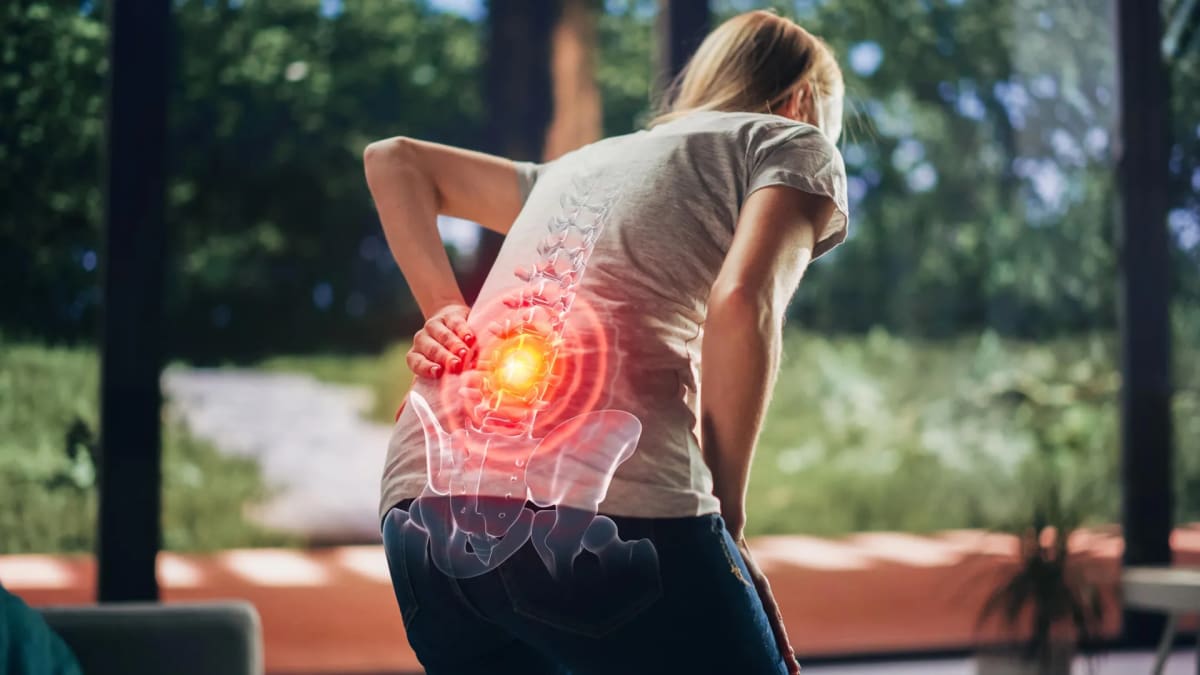
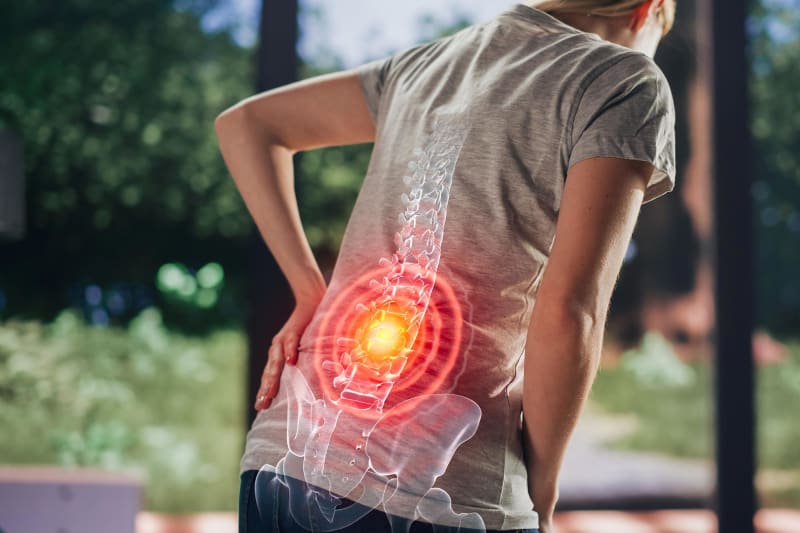
A hormone already used to treat osteoporosis might reverse chronic back pain by stopping nerves from growing into damaged spine areas. Johns Hopkins researchers discovered the treatment repairs deteriorating spinal tissue at its source.

Scientists discovered that a common osteoporosis drug might eliminate chronic back pain by blocking pain nerves from growing into damaged spine tissue. The breakthrough could transform treatment for millions who suffer daily.

Researchers discovered a receptor that could rebuild weakened bones in people with osteoporosis, not just slow the disease. Early tests show the treatment dramatically strengthened bones in mice, offering hope for millions suffering painful fractures.
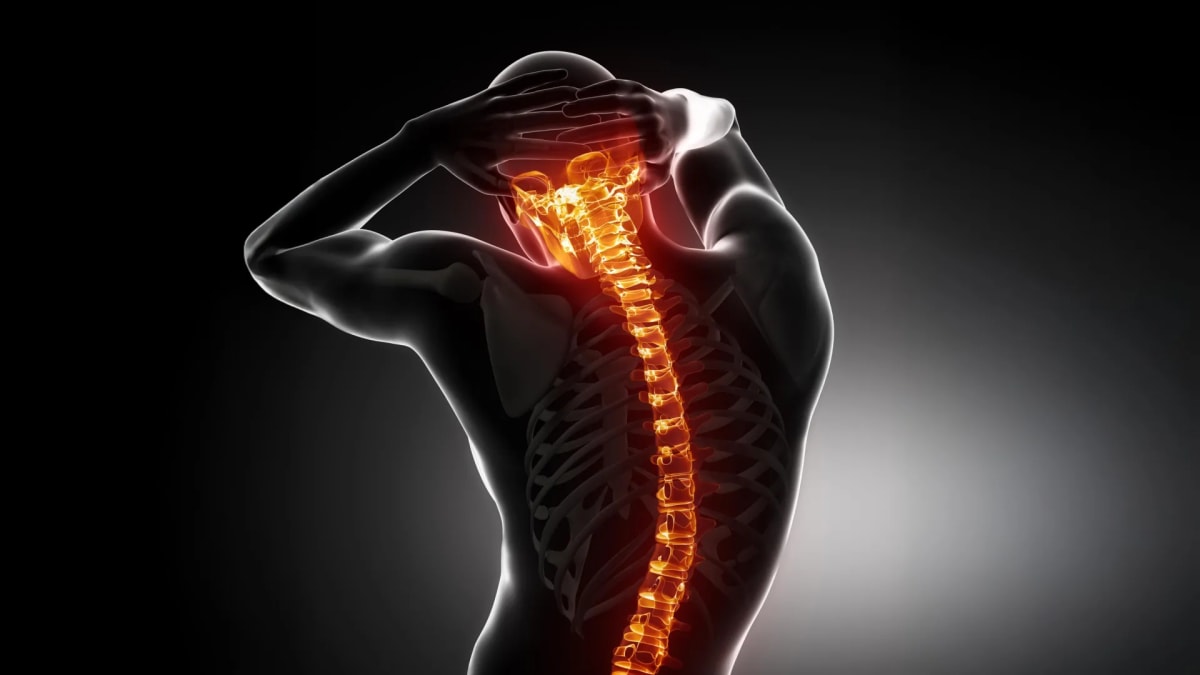
German and Chinese researchers identified a cell receptor that strengthens bones in mice, potentially offering the first way to reverse osteoporosis rather than just slow it. The breakthrough could transform treatment for millions living with weakened bones.

Global investor Dale W. Wood just made his second record-breaking charity donation in weeks, this time giving £1 million to help beat osteoporosis across the UK. The gift to the Royal Osteoporosis Society will fund AI tools and early diagnosis programs to prevent thousands of avoidable fractures.

Scientists at Johns Hopkins discovered that a hormone already used to treat weak bones can prevent pain nerves from invading damaged spinal tissue. The breakthrough could finally offer relief to millions who suffer from chronic low back pain without a clear cause.

Researchers discovered how bones detect movement and stay strong, opening the door to drugs that could protect fragile bones in people unable to exercise. The breakthrough could help millions facing osteoporosis and age-related bone loss.