Scientists May Reverse Osteoporosis With New Bone Therapy
Researchers discovered a receptor that could rebuild weakened bones in people with osteoporosis, not just slow the disease. Early tests show the treatment dramatically strengthened bones in mice, offering hope for millions suffering painful fractures.
For the first time, scientists may have found a way to actually reverse osteoporosis instead of just slowing it down.
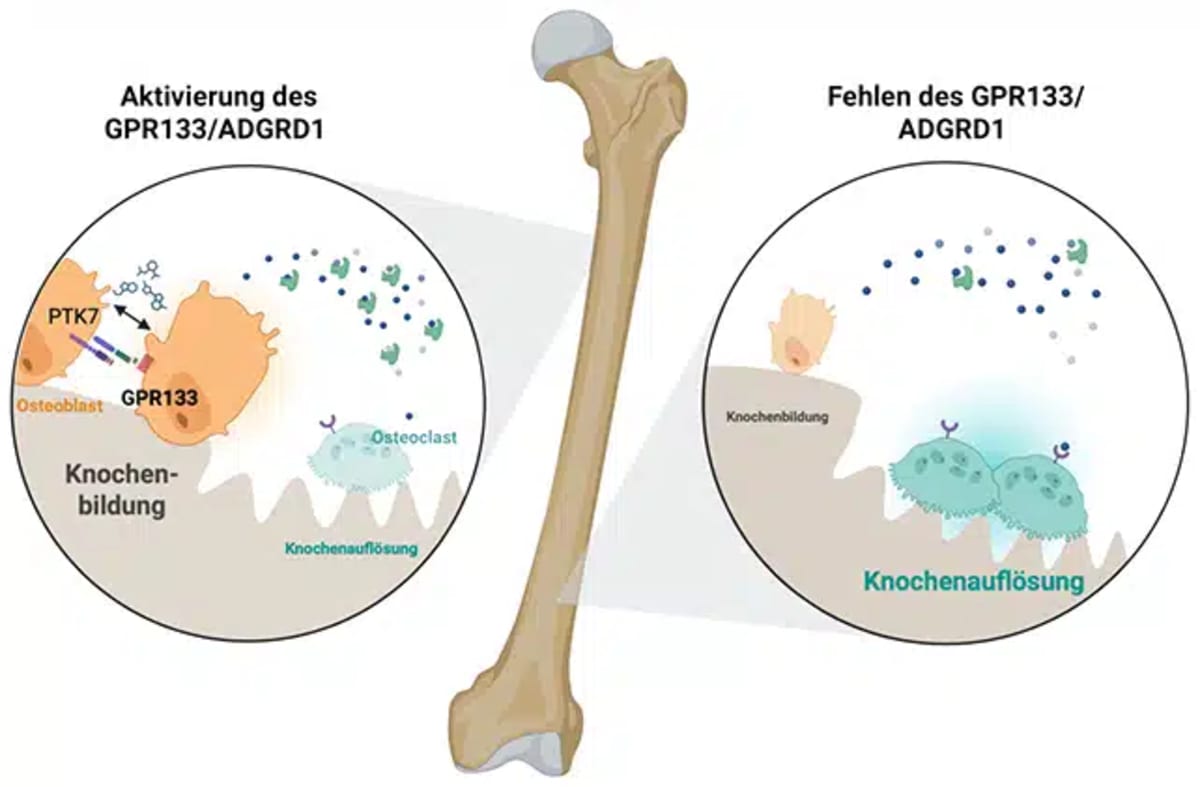
Researchers at the University of Leipzig identified a receptor called GPR133 that acts like a switch for bone-building cells. When they activated it in mice with osteoporosis, the animals' bones became significantly stronger and denser.
The breakthrough centers on a compound called AP503 that turns on the GPR133 receptor. This kicks osteoblasts, the cells responsible for creating bone tissue, into high gear. In both healthy mice and those with osteoporosis, the treatment produced dramatic improvements in bone strength.
"We were able to significantly increase bone strength in both healthy and osteoporotic mice," explained biochemist Ines Liebscher, who led the research team. The study, published in Signal Transduction and Targeted Therapy, represents a major shift in how doctors might treat the condition.
Current osteoporosis treatments focus mainly on preventing further bone loss. This new approach could actually restore bone density that's already been damaged, especially important for people who've suffered fractures or live with chronic pain from weakened bones.
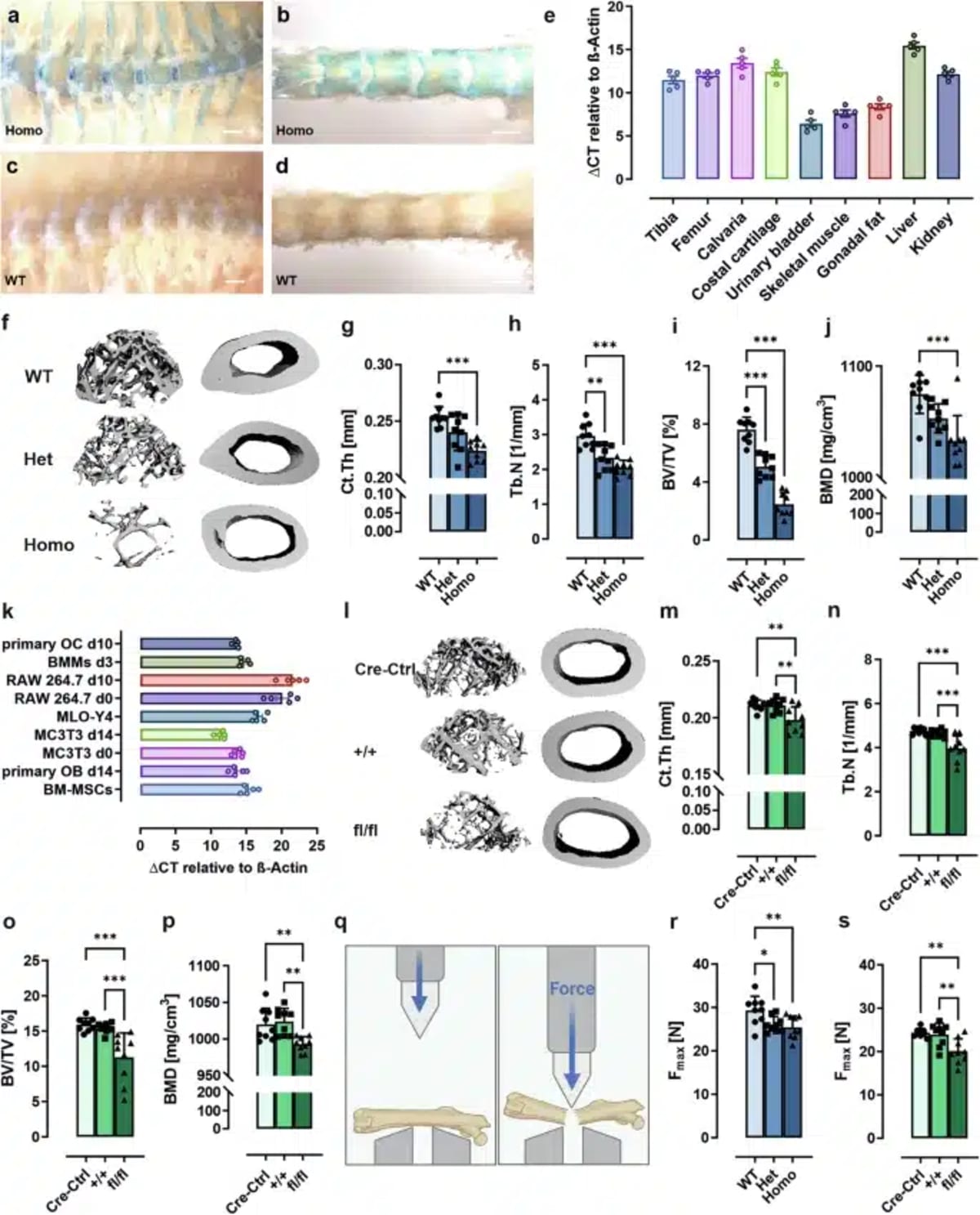
The researchers tested mice that either lacked the GPR133 gene or had it activated. The difference was striking. Mice with the receptor showed much stronger bones, and when combined with exercise, the results improved even further.
The Ripple Effect
This discovery comes at a crucial time. Osteoporosis affects millions worldwide, particularly postmenopausal women whose bones naturally weaken with age. Fractures from brittle bones can lead to chronic pain, disability, and loss of independence.
Molecular biologist Juliane Lehmann highlighted the broader significance for aging populations. "The newly demonstrated parallel strengthening of bone once again highlights the great potential this receptor holds for medical applications," she said.
The treatment could transform care in two ways. For people already suffering from osteoporosis, it might rebuild damaged bone and prevent future fractures. For aging individuals at risk, it could offer a preventative approach to maintain bone strength before serious damage occurs.
While the research remains in early stages, the implications are profound. Millions of people could see their quality of life dramatically improve through a treatment that addresses the root cause of their condition rather than just managing symptoms.
The path from mouse studies to human treatments takes time, but researchers are optimistic about GPR133's potential to change lives.
More Images

Based on reporting by Google News - Breakthrough Discovery
This story was written by BrightWire based on verified news reports.
Spread the positivity!
Share this good news with someone who needs it