Singapore Scientists Discover Way to Reverse Organ Damage
A Duke-NUS research team found that blocking a single gene can help damaged organs repair themselves, not just slow disease progression. The discovery has advanced to phase 2 clinical trials with a major pharmaceutical partner.
Scientists in Singapore have discovered something doctors once thought impossible: a way to actually reverse organ damage and help tissues heal themselves.
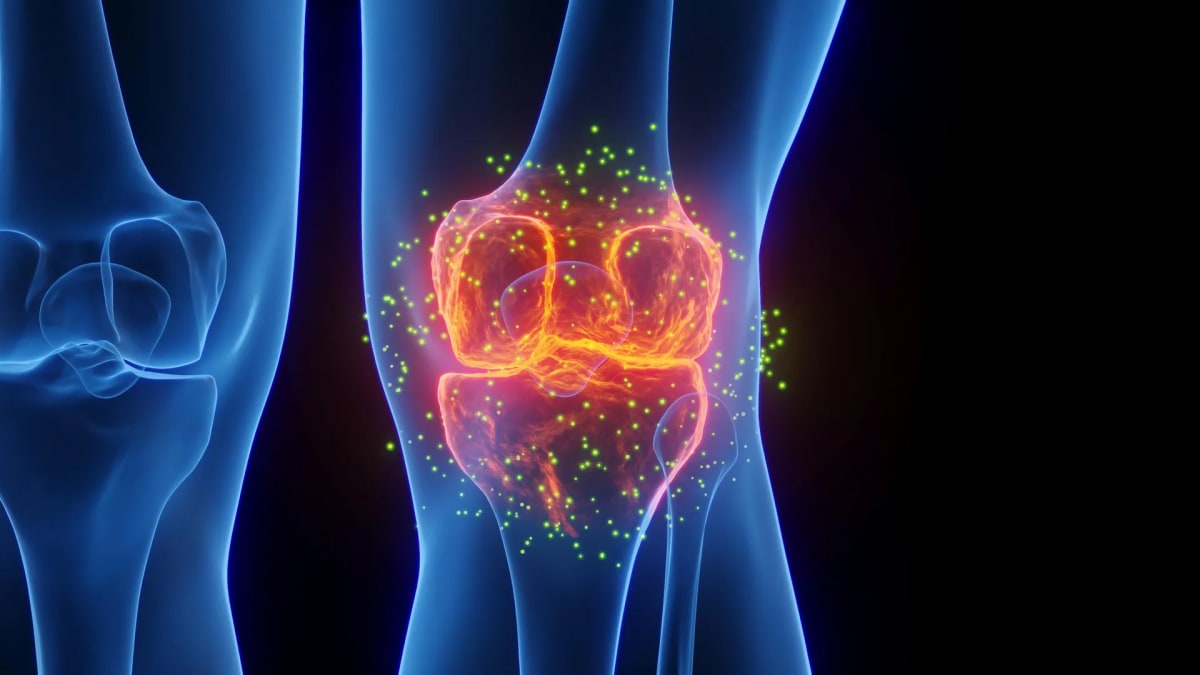
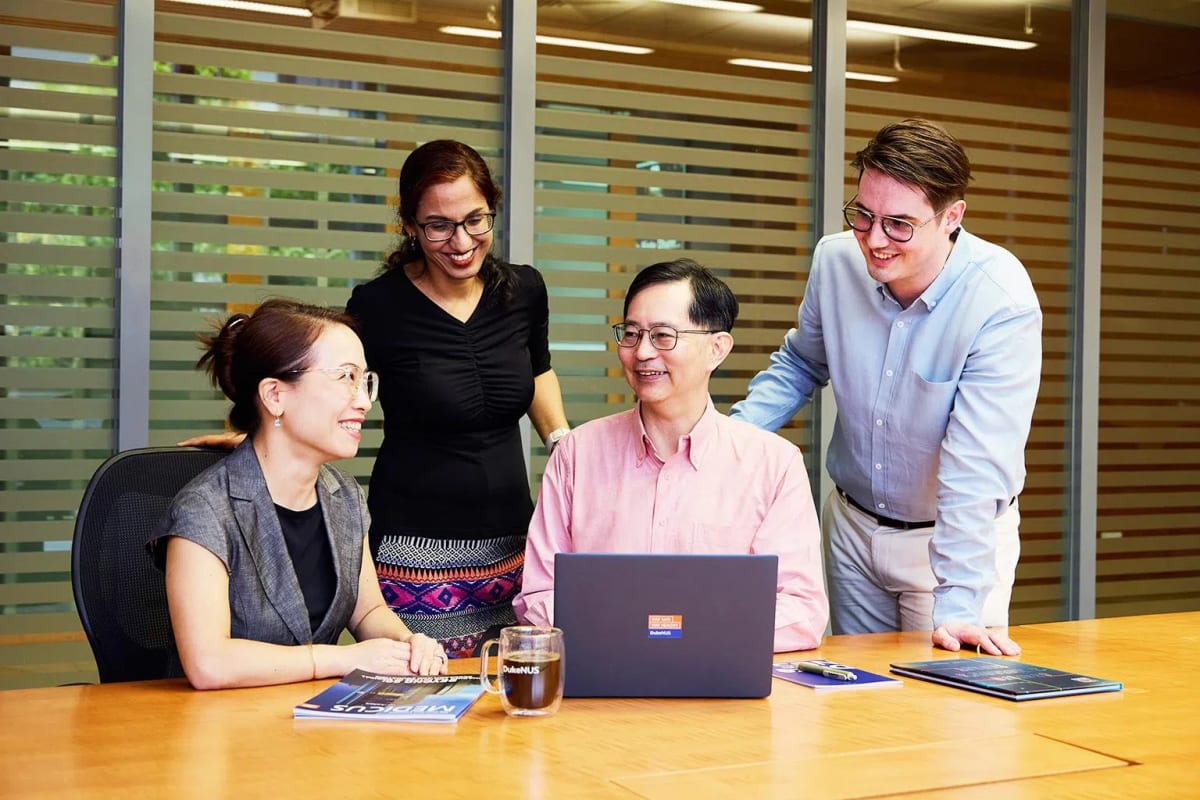
For years, researchers believed a gene called interleukin-11 (IL-11) protected our organs. A team at Duke-NUS Medical School found the opposite was true. The gene was actually causing scarring, inflammation, and organ injury at the heart of many chronic diseases.
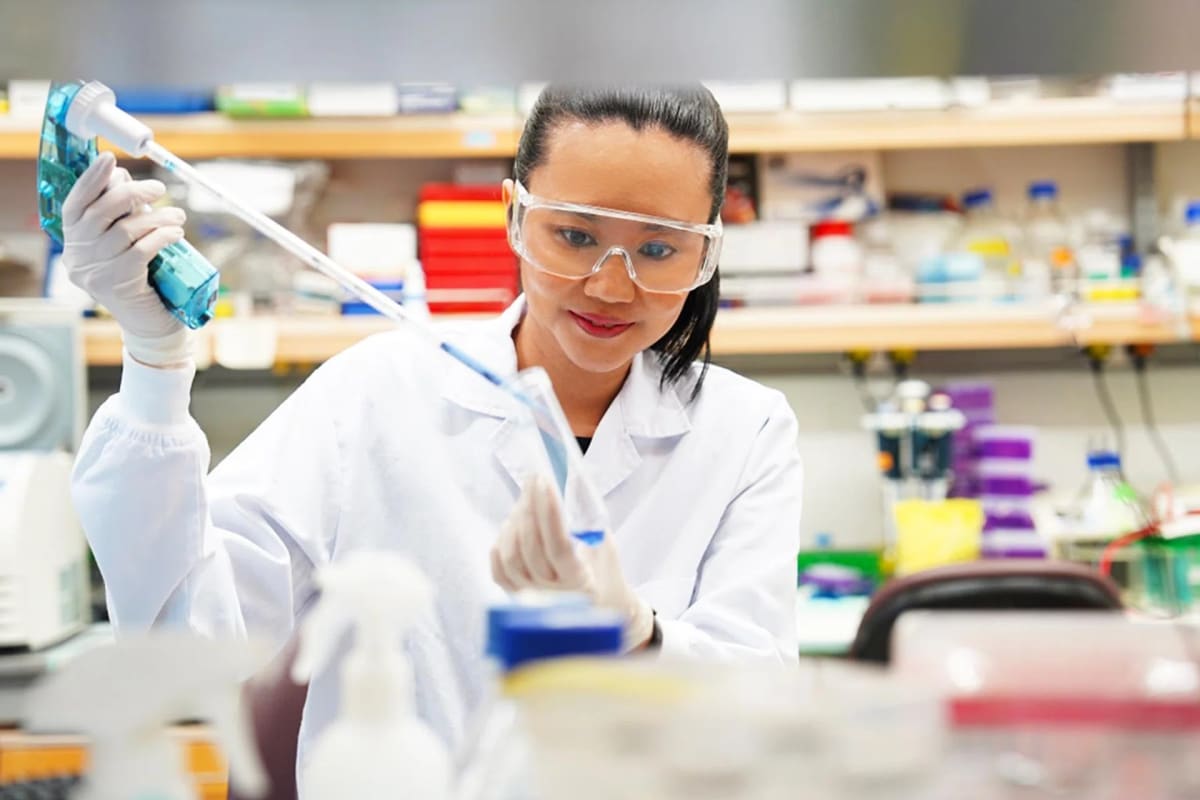
"We found that when we block IL-11, we don't just slow disease, we can actually reverse damage," says Assistant Professor Anissa Widjaja, who co-led the five-year study. Her team discovered that stopping this single gene could help lungs, livers, and kidneys repair themselves.
The 2017 breakthrough challenged everything scientists thought they knew about organ disease. Instead of managing decline, doctors might soon restore function to damaged organs.
German pharmaceutical company Boehringer Ingelheim licensed the discovery, and by January 2026, treatments for serious lung disease entered phase 2 clinical trials. It's one of the few Singapore-based discoveries to reach this advanced stage of patient testing.
The breakthrough didn't happen in isolation. Duke-NUS brought clinicians, industry partners, and investors together from day one. This collaborative approach meant the research addressed real patient needs from the start, not just theoretical science.
"As an early career scientist at that time, having access to that ecosystem was incredibly formative," says Prof Widjaja. The school provided competitive grants, intellectual property expertise, and industry connections that helped transform a lab discovery into a viable therapy.
Duke-NUS, established in 2005 as Singapore's first graduate-entry medical school, was designed to bridge the gap between research and real-world medicine. Working closely with its partner SingHealth, the academic medical center integrates patient care directly with cutting-edge research.
The approach has delivered results beyond IL-11. Duke-NUS contributed to the world's first FDA-authorized Covid-19 antibody test and developed Singapore's first locally-created cancer therapeutic.
The Ripple Effect
This discovery could reshape how we think about aging and chronic disease. Prof Widjaja explains the goal isn't turning back the clock, but reducing the years people spend in poor health and frailty.
The implications reach far beyond Singapore. Treatments targeting IL-11 could eventually help millions of patients worldwide suffering from organ failure. Each successful clinical trial brings the therapy closer to hospital bedsides across the globe.
The research also strengthens Singapore's position as a serious player in translational research with real commercial potential. By proving that groundbreaking discoveries can move from local labs to international clinical trials, Singapore demonstrates its growing role in global healthcare innovation.
Sometimes the biggest breakthroughs come from questioning what everyone assumes is true.
More Images

Based on reporting by Google News - Breakthrough Discovery
This story was written by BrightWire based on verified news reports.
Spread the positivity!
Share this good news with someone who needs it