Scientists Discover Complete 30-Million-Year-Old Dog Fossil
A fossil that sat misidentified in an Oregon museum for decades turned out to be the most complete skeleton ever found of an ancient dog from 30 million years ago. The discovery is giving scientists new insights into how prehistoric canines lived before the Ice Age.
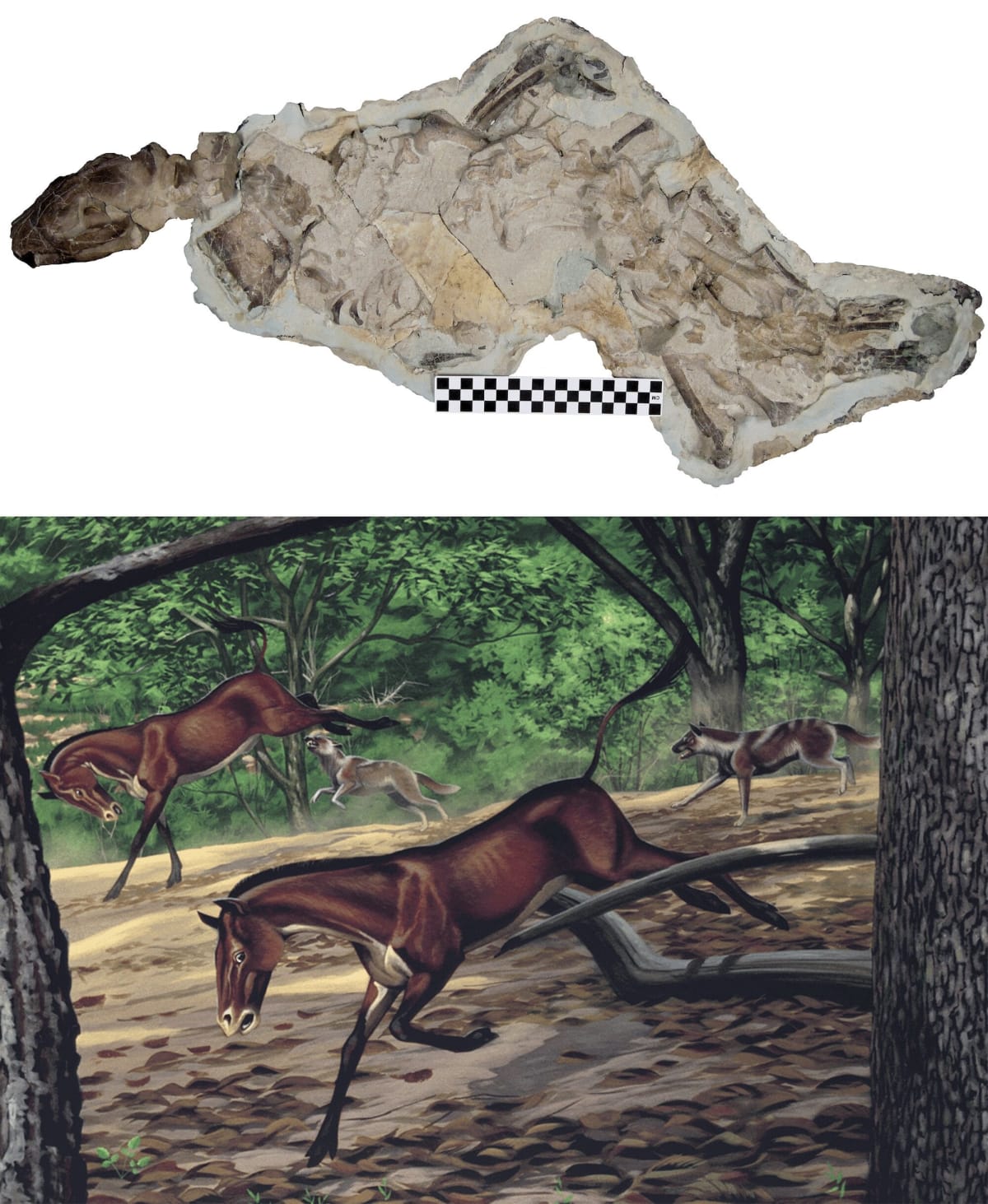
For decades, a rock-encased fossil in an Oregon museum collection was thought to be an ancestor of sheep or pigs. Scientists have now discovered it's actually the most complete skeleton ever found of a prehistoric dog that lived over 30 million years ago.
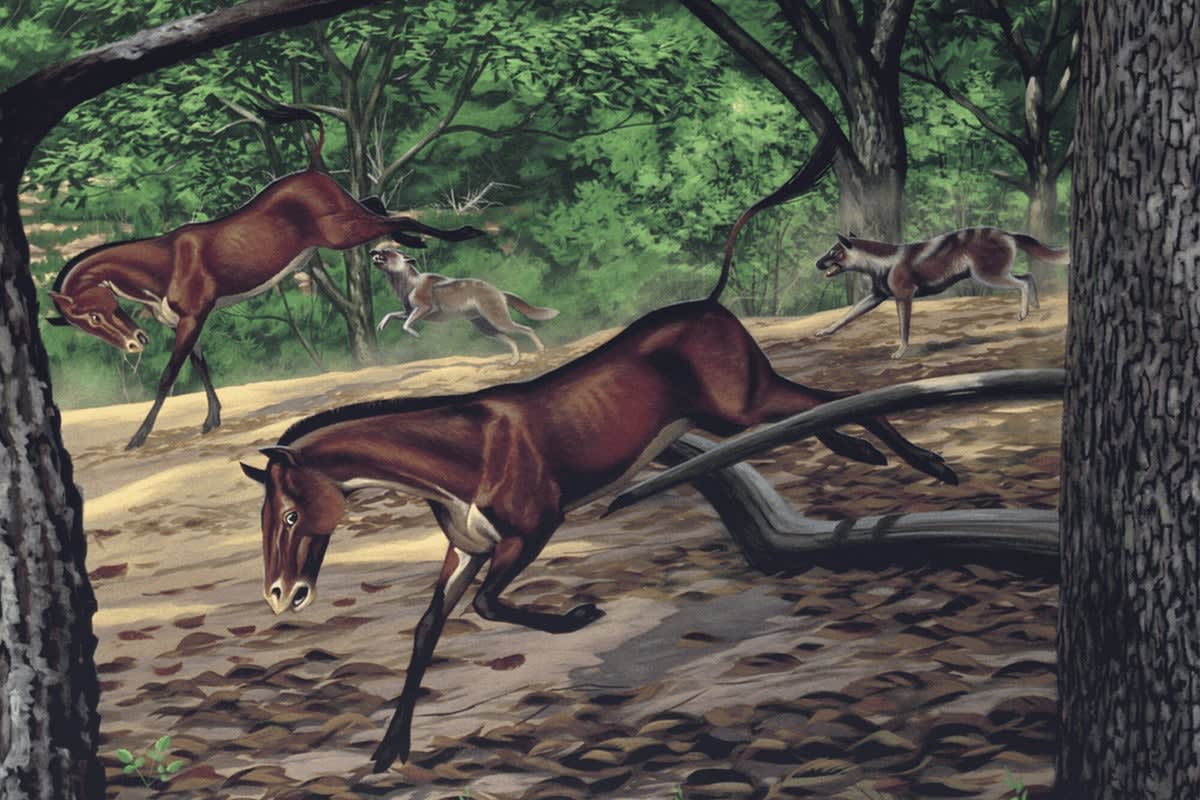
Paleontologists from the University of Michigan identified the fossil as Mesocyon coryphaeus, a stocky canine species that roamed North America during a period of global cooling. Unlike the sleek, built-for-speed dogs we know today, this ancient relative was short, robust, and could climb.
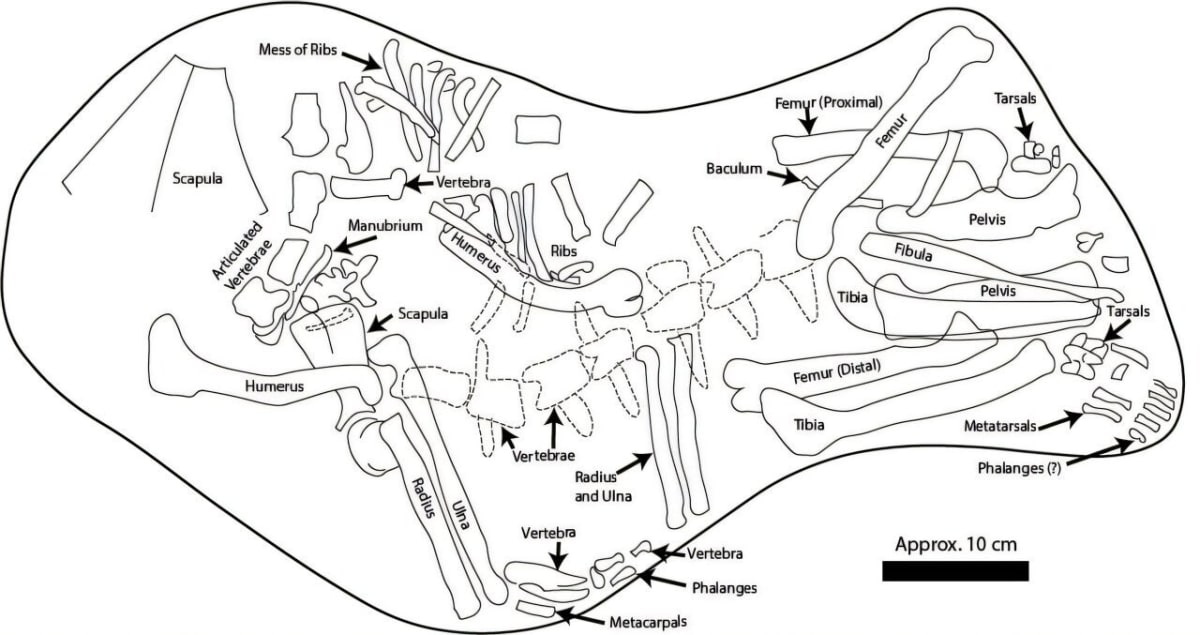
The fossil's journey to recognition started in the 1990s when researchers carefully extracted it from surrounding rock. They wrapped it in a protective plaster jacket and later separated the head for display, determining it was some kind of dog. But it wasn't until the 2010s that scientists uncovered the rest of the skeleton and realized how remarkably complete it was.
The skeleton is missing only its tail and parts of its paws. That level of preservation is extremely rare for fossils this old.
Why This Inspires
This discovery reminds us that answers sometimes hide in plain sight, waiting for the right eyes to see them. The fossil lay in storage for years before technology and expertise came together to reveal its true identity.
Lead researcher Anne Kort from the University of Michigan explained that Mesocyon could rotate its forearms, suggesting it could grapple and climb trees. The species sometimes walked flat-footed instead of on tiptoes like modern dogs. The fossil even preserved unique details including a hereditary bone growth on its wrists found in 60% of early dog fossils.
Dogs first appeared in North America about 40 million years ago when dense forests covered the continent. The earliest species were excellent climbers, adapted to forest life. Mesocyon emerged 10 million years later as the climate cooled and forests changed.
This particular branch of the dog family tree went completely extinct, taking with it an entire ecology of tree-climbing canines we no longer see in nature. The discovery helps scientists understand how dramatically the dog family has evolved and adapted over millions of years, surviving dramatic climate shifts and environmental changes that wiped out their stockier, climbing cousins.
More Images
Based on reporting by Google: fossil discovery
This story was written by BrightWire based on verified news reports.
Spread the positivity!
Share this good news with someone who needs it