Scientists Discover Key to Stopping MS Brain Damage
Researchers from top universities identified vulnerable "canary in the coal mine" neurons that die first in MS patients, opening a promising new path for treatment. This breakthrough could help millions by protecting brain cells before the disease progresses.
Scientists just discovered why neurons die in multiple sclerosis patients, and the finding could change everything about how we treat this devastating disease.
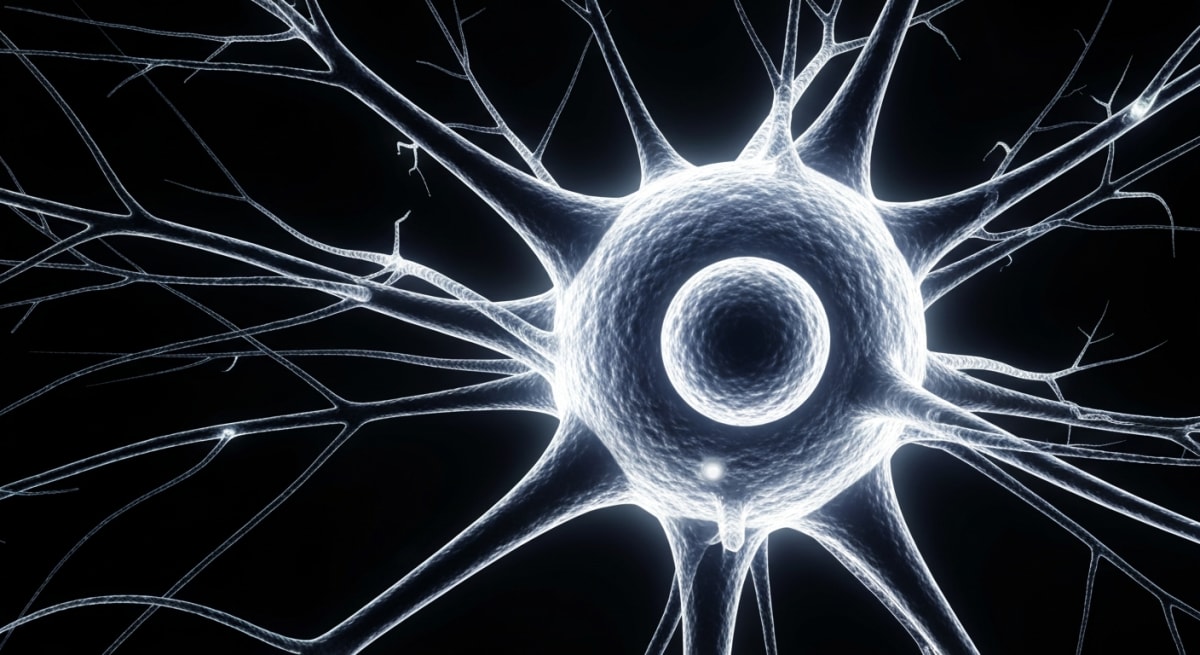
Researchers from UC San Francisco, the University of Cambridge, and Cedars-Sinai Medical Center identified a specific type of brain cell that acts as an early warning system for MS damage. These neurons, which express a gene called CUX2, are the first to die when inflammation strikes the brain.
The discovery matters because MS research has spent decades focused on protecting myelin, the insulation around brain wiring. But this study reveals an equally important process happening in parallel: the death of neurons in the brain's gray matter, which drives much of the disability MS patients experience.
Here's how it works. During early brain development, CUX2 neurons are under immense stress as they build connections. When MS-related inflammation hits later in life, it damages the DNA in these already-vulnerable cells. Their repair systems break down, leading to cell death and the formation of gray matter lesions.
Professor David Rowitch from Cambridge calls these neurons "a canary in the coal mine for the brain affected by MS." Just like canaries once warned miners of toxic gas, these neurons signal danger before widespread brain damage occurs.
The research team published their findings on April 10, 2026, after collaborative work across three major medical centers. Their experiments showed that protecting these specific neurons could contain damage before the disease spreads.
The Bright Side
This breakthrough arrives at a perfect time. While scientists have developed successful therapies to slow myelin loss in MS, gray matter damage has remained frustratingly difficult to address. Now researchers have a clear target.
Professor Steve Fancy from UCSF explains that the field now understands it's essential to find ways to directly protect gray matter neurons themselves, not just promote remyelination. His team is already exploring protective therapies designed specifically for CUX2 neurons.
The implications extend beyond MS treatment. Understanding which brain cells are most vulnerable to inflammation could help researchers develop preventive strategies, potentially stopping damage before symptoms even appear.
Professor Stephen Hauser from UCSF notes that while current MS therapies represent remarkable progress, the disability caused by gray matter lesions has remained a major challenge. This discovery finally provides a roadmap for addressing that gap.
The research teams are moving forward with studies to develop targeted therapies that shield these vulnerable neurons from inflammatory damage.
For the millions of people living with MS worldwide, this discovery offers something precious: a new reason for hope built on solid science.
Based on reporting by Google News - Breakthrough Discovery
This story was written by BrightWire based on verified news reports.
Spread the positivity!
Share this good news with someone who needs it