Scientists Discover Largest New Impact Crater in Solar System
A routine quality check on lunar images revealed a 222-meter-wide crater on the Moon that didn't exist before spring 2024, making it the largest newly formed impact crater ever found in our solar system. The discovery showcases how careful observation and modern technology help us understand our cosmic neighborhood. #
Robert Wagner wasn't expecting to make history when he sat down to review Moon images on October 24, 2025. The image processing specialist was doing routine quality checks, the kind of work that almost always produces nothing but false alarms from shifting shadows and lighting.
Then his software flagged something different: a bright spot ringed by a dark halo, spanning hundreds of pixels. Wagner stopped everything he was doing and started investigating.
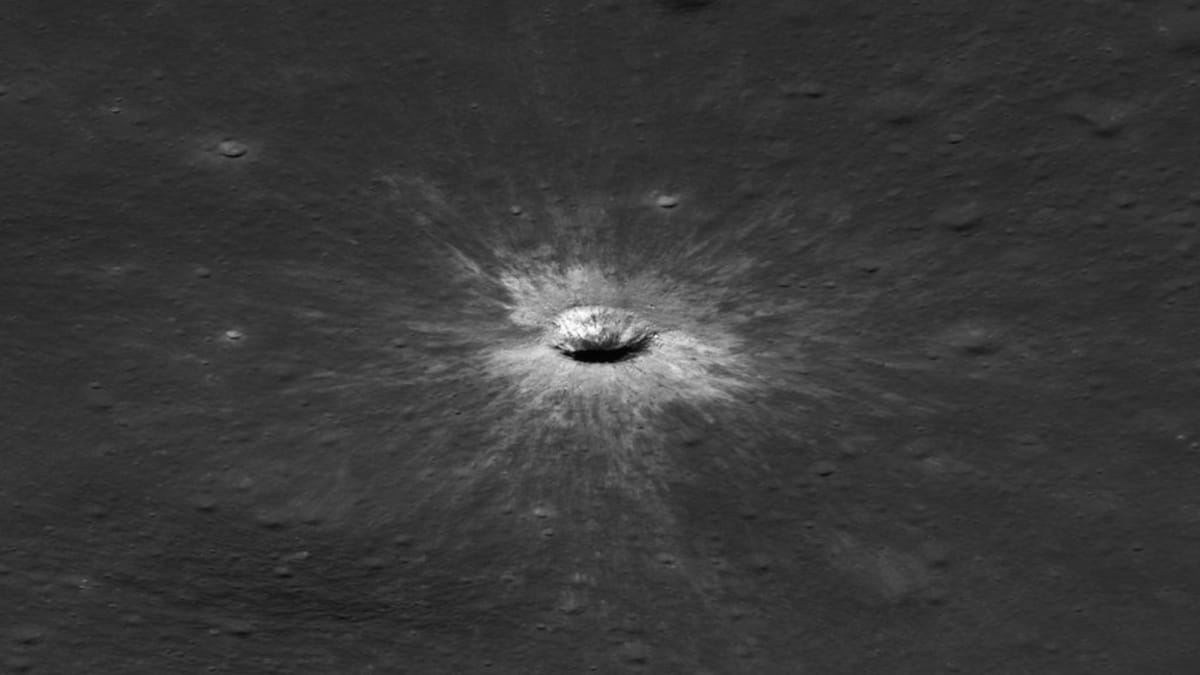
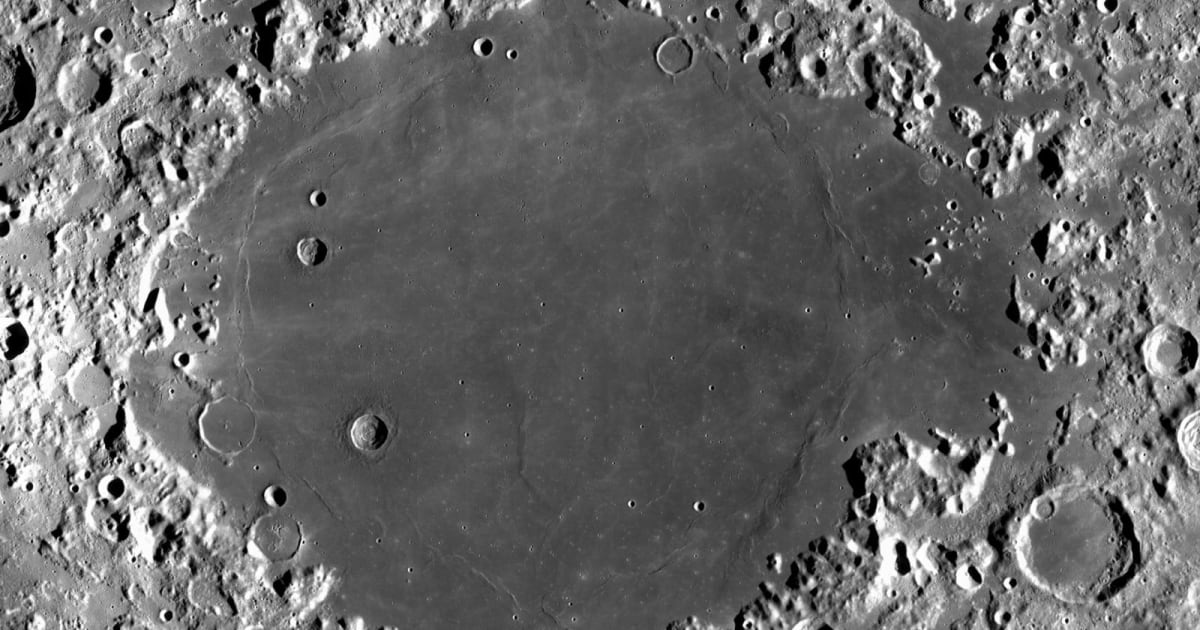
What he found was extraordinary. A crater 222 meters wide had appeared on the Moon's eastern near side between April 11 and May 22, 2024. Nothing like it had been spotted anywhere else in the solar system.
The impact site, now named McGetchin Crater after lunar scientist Tom McGetchin, tells a dramatic story. An asteroid or comet fragment the size of a three to six story building slammed into the Moon at 15 kilometers per second, releasing energy more than 27 times greater than the previous record holder from 2012.
The collision created a funnel 43 meters deep with walls sloping at up to 41 degrees. The largest ejected boulder, measuring 13 by 9 by 3 meters, now perches on the southern rim like a monument to the impact's force.
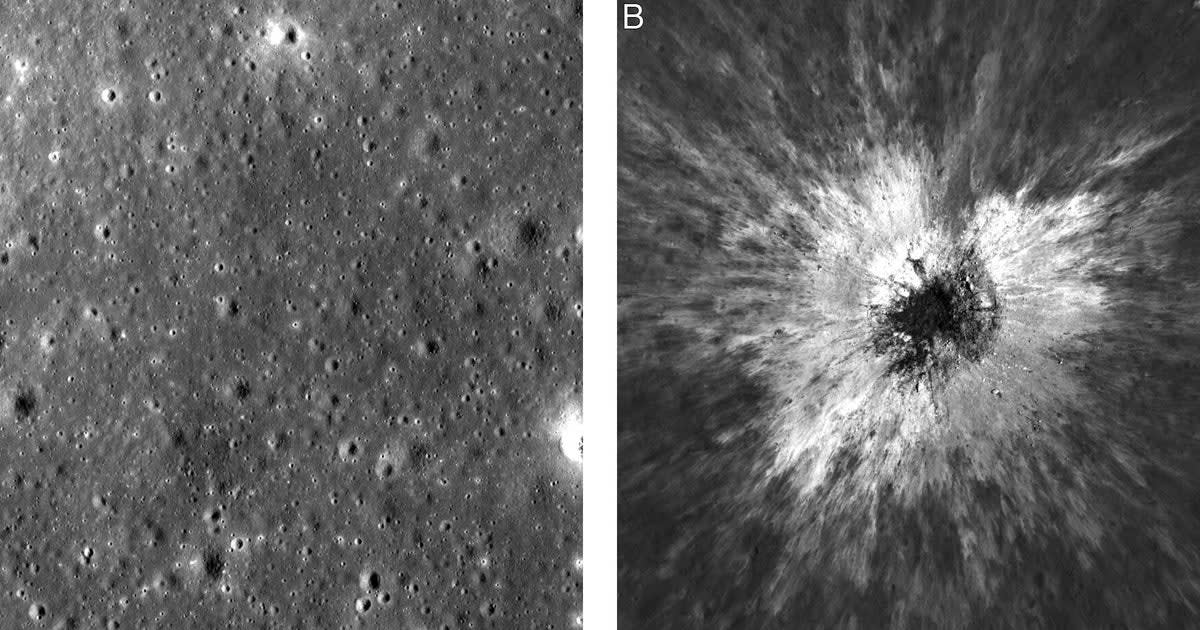
Before the strike, the area was just another ancient patch of lunar surface, thoroughly covered with older craters. The largest existing crater in that spot was only 40 meters across. None of those older craters survived the impact.
THE BRIGHT SIDE
This discovery represents a milestone in planetary science, showing how far our observation capabilities have come. The Wide-Angle Camera on NASA's Lunar Reconnaissance Orbiter has been quietly photographing the entire Moon roughly once a month since 2010, building an incredible archive that makes finds like this possible.
Wagner's discovery method is elegant in its simplicity. By stacking hundreds of images taken years apart, software can gray out everything unchanged and highlight what's different. Noise cancels out while real changes survive.
The team had averaged around 540 observations per pixel across the site before impact and 60 after, creating a detailed before and after record. Two papers describing the crater were published in Science Advances in September 2026, giving scientists valuable data about impact physics and lunar geology.
The find also offers unexpected good news for another mission. NASA's Roman Space Telescope used only 18 kilograms of fuel for its first course correction instead of the budgeted 200 kilograms, potentially extending its planned 10-year mission to at least 22 years.
Every day, dedicated scientists like Wagner are watching, measuring, and discovering new things about our universe, one careful observation at a time.
#
More Images



Based on reporting by Google News - Science
This story was written by BrightWire based on verified news reports.
Spread the positivity!
Share this good news with someone who needs it