Scientists Discover New Monkey Species in Myanmar Forest
Researchers have identified a brand new primate species hiding in plain sight in Myanmar's remote forests. The Popa langur joins Earth's family tree as one of fewer than 300 known monkey species.
Scientists just added a new member to the primate family, and it's been living in Myanmar's forests all along.
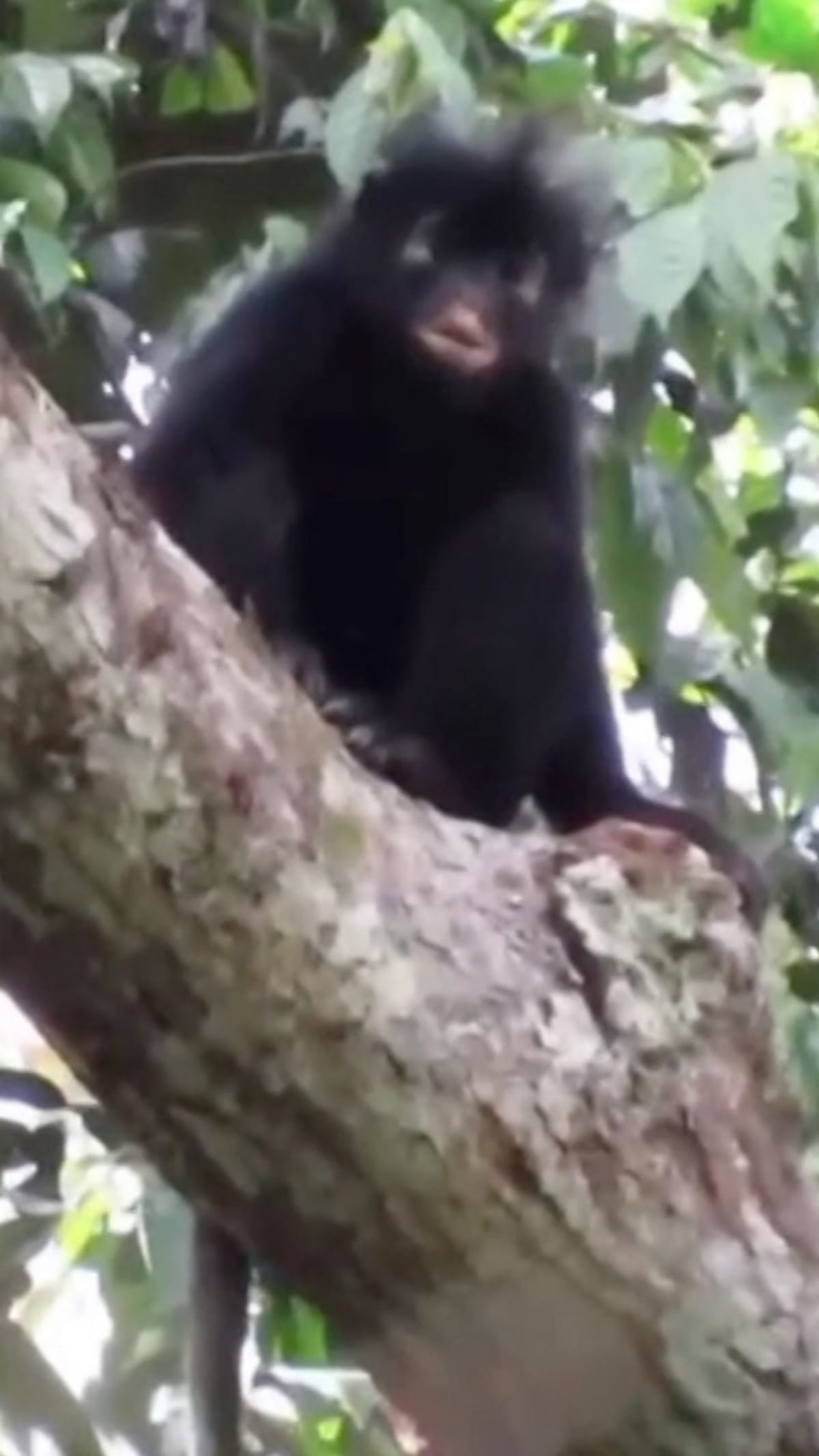
Researchers identified the Popa langur, a leaf-eating monkey with distinctive white circles around its eyes, as a completely new species. The team spent years analyzing museum specimens, genetic data, and field observations before confirming these primates deserved their own place in scientific history.
Named after Mount Popa, an extinct volcano where many of these monkeys live, the species stands out with its grayish-brown fur and bold facial markings. Adult Popa langurs weigh about 18 pounds and live in small family groups throughout Myanmar's central forests.
The discovery came from detective work spanning more than a century. Scientists compared DNA from modern langurs with specimens collected decades ago, revealing genetic differences significant enough to declare a new species. Field teams then tracked down living populations to observe their unique behaviors and physical traits.
Only about 200 to 250 Popa langurs exist in the wild today, scattered across four isolated forest patches. Their small population and fragmented habitat immediately place them in conservation's spotlight, highlighting the urgency of protecting Myanmar's remaining forests.
The Ripple Effect
Finding new species in 2024 proves how much we still don't know about life on Earth. Every discovery like this reminds us that forests hold secrets worth protecting, and that careful scientific work can reveal hidden treasures right under our noses.
The research team hopes their finding will boost conservation efforts in Myanmar, where logging and habitat loss threaten countless species. When scientists can name and study specific animals, it becomes easier to rally support for protecting the places they call home.
International zoos and conservation organizations are already discussing how to help. Protecting the Popa langur means preserving entire forest ecosystems that shelter hundreds of other species, from insects to elephants.
Local communities near Mount Popa have long known these monkeys existed, but scientific recognition gives them global attention. That spotlight could bring resources and expertise to help Myanmar's forests thrive for generations.
This discovery reminds us that Earth still holds wonderful surprises for those patient enough to look.
Based on reporting by BBC Science
This story was written by BrightWire based on verified news reports.
Spread the positivity!
Share this good news with someone who needs it