Scientists Discover New Wild Cat Species in Bolivia
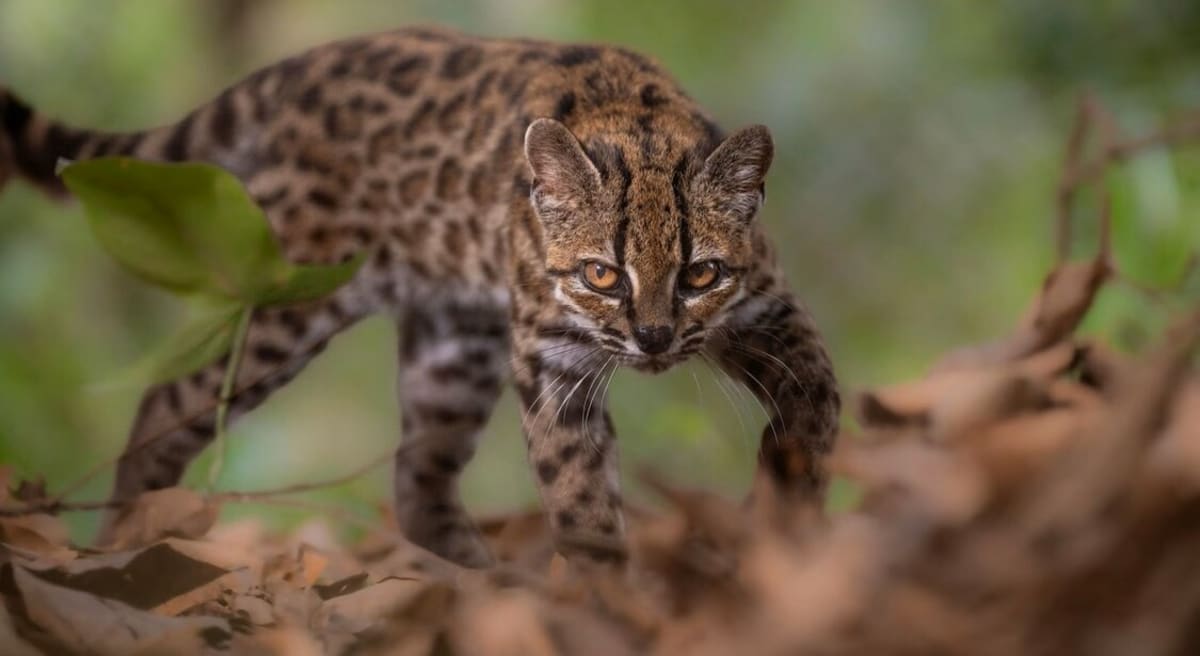
After a family accidentally adopted a wild kitten, scientists spent nearly a decade proving it belonged to a species never before known to science. The Leopardus tilcayo is the first truly new cat species identified in over a century.
A Bolivian family thought they were rescuing a lost kitten in 2016, but they had actually brought home a scientific discovery that would take nearly 10 years to prove.
The kitten lived with the family for about a year before its wild instincts kicked in and it started chasing the neighbors' chickens. When the family could no longer care for it, they brought it to Senda Verde, an animal refuge in Bolivia's cloud forests.
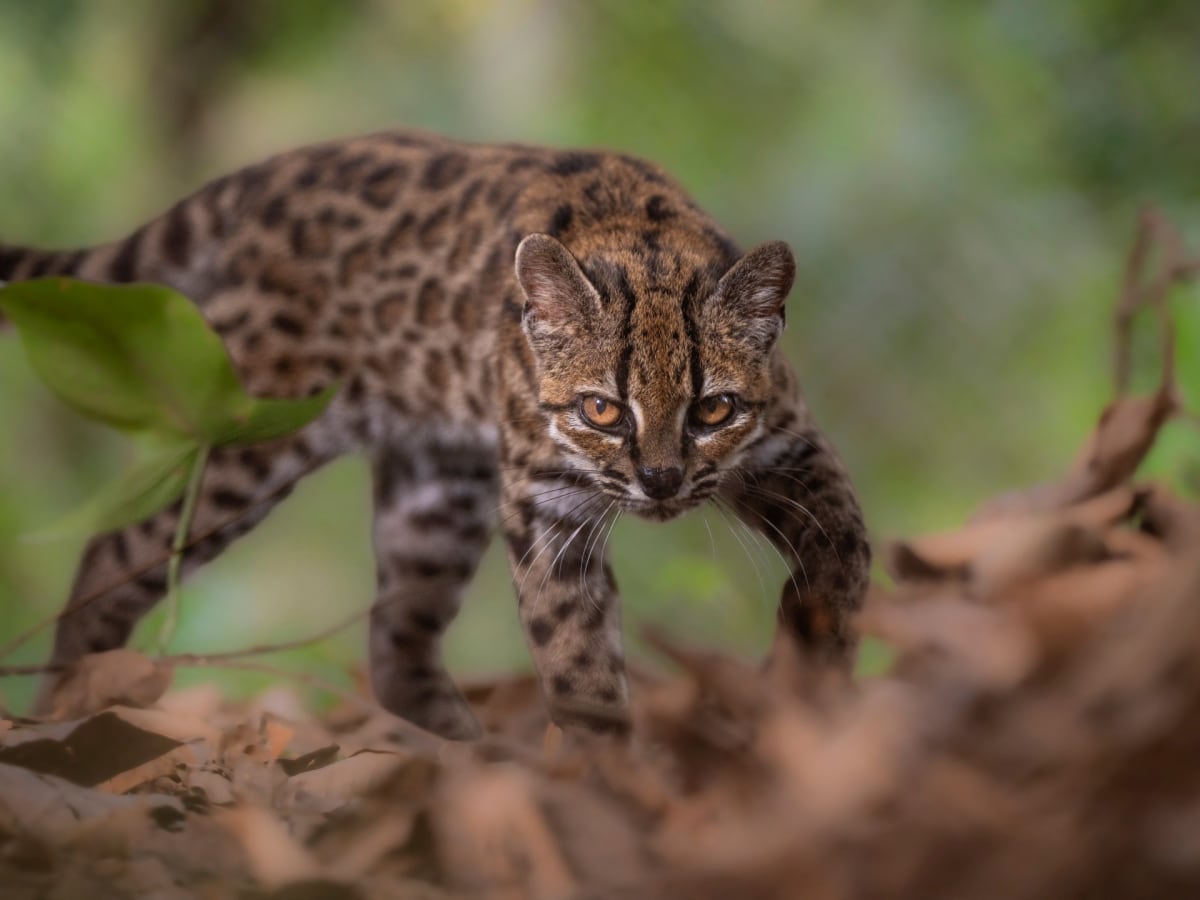
Biologist Paola Nogales Ascarrunz came to investigate what the refuge staff called a "weird cat." She found an animal with a scrunched face, short round ears, long whiskers, and leopard-like spots that didn't quite match any known species.
Something about the pattern of spots bothered her. The cat looked similar to tiger cats found across Central and South America, but the details were off.
What followed was a massive international effort involving scientists from Belgium, Brazil, Bolivia, the United States, Colombia, the United Kingdom, and Peru. The team collected DNA from tiger cats across South America and even extracted genetic material from century-old museum skulls.
The results surprised everyone. Instead of the two to four tiger cat species scientists expected to find, they discovered five distinct species. One of them was the mystery cat from the Bolivian family.
Researchers named it Leopardus tilcayo after the local Bolivian name for the animal. It's the first new cat species to receive a scientific name and formal description in more than 100 years, making it fundamentally different from recent "discoveries" that simply reclassified existing species.
The tilcayo lives in the Bolivian Yungas, a band of humid cloud forest running along the eastern slope of the Andes. This rugged, under-studied region forms a bridge between the high mountains and the Amazon basin.
Scientists don't yet know if the species lives only in Bolivia or spreads into Peru and northern Argentina. The region remains largely unexplored, meaning more discoveries could be waiting.
Why This Inspires
This discovery shows how much we still don't know about our planet, even among large, charismatic animals like wild cats. The Bolivian Yungas has been home to these cats all along, with local people aware of their existence for generations, but science is only now catching up.
The tilcayo's story also highlights an unexpected silver lining to wildlife trafficking. While the illegal pet trade causes immense harm to wild animals, this particular case led to scientific collaboration across seven countries and a breakthrough that rewrites our understanding of cat evolution.
Jonas Lescroart, a researcher at the University of Antwerp who co-authored the study, says having the honor to name a new species and provide its first scientific description is extraordinarily rare for the cat family.
The discovery proves that even in our hyper-connected world, nature still has secrets worth protecting.
Based on reporting by Al Jazeera English
This story was written by BrightWire based on verified news reports.
Spread the positivity!
Share this good news with someone who needs it