Scientists Discover Why Damaged Livers Can Heal Again
Researchers found why severely damaged livers stop healing even after patients quit drinking, opening the door to new treatments beyond transplants. The discovery could help thousands avoid liver failure.
Scientists just solved a medical mystery that could save thousands of lives every year.
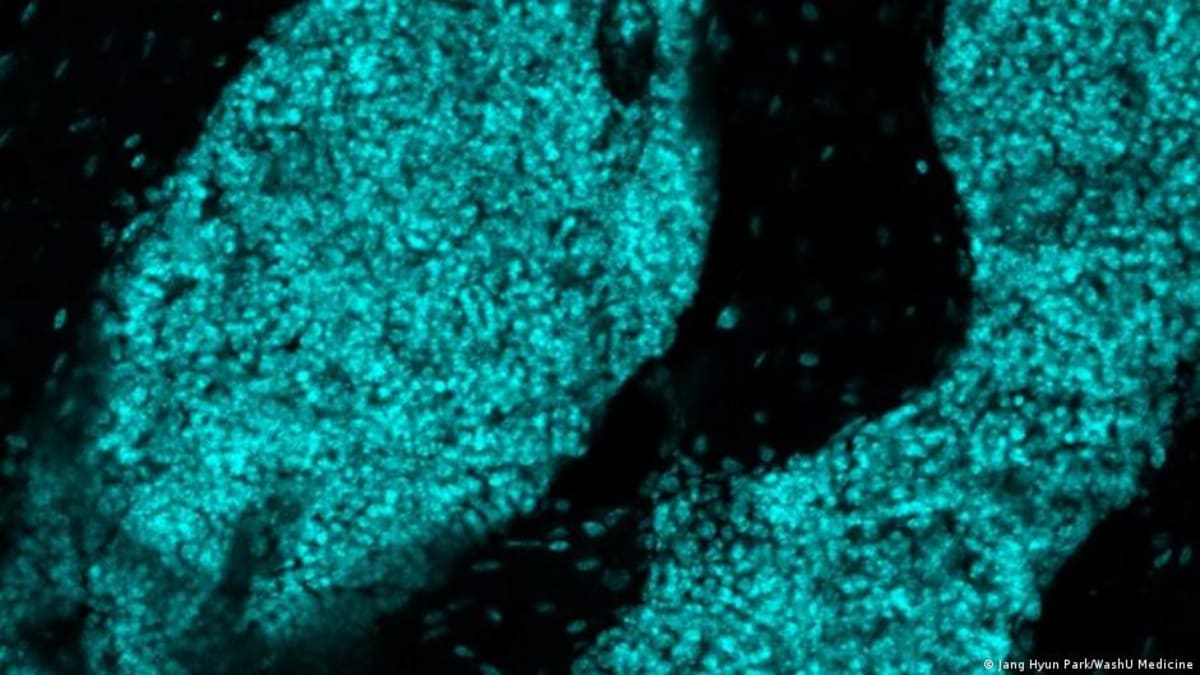
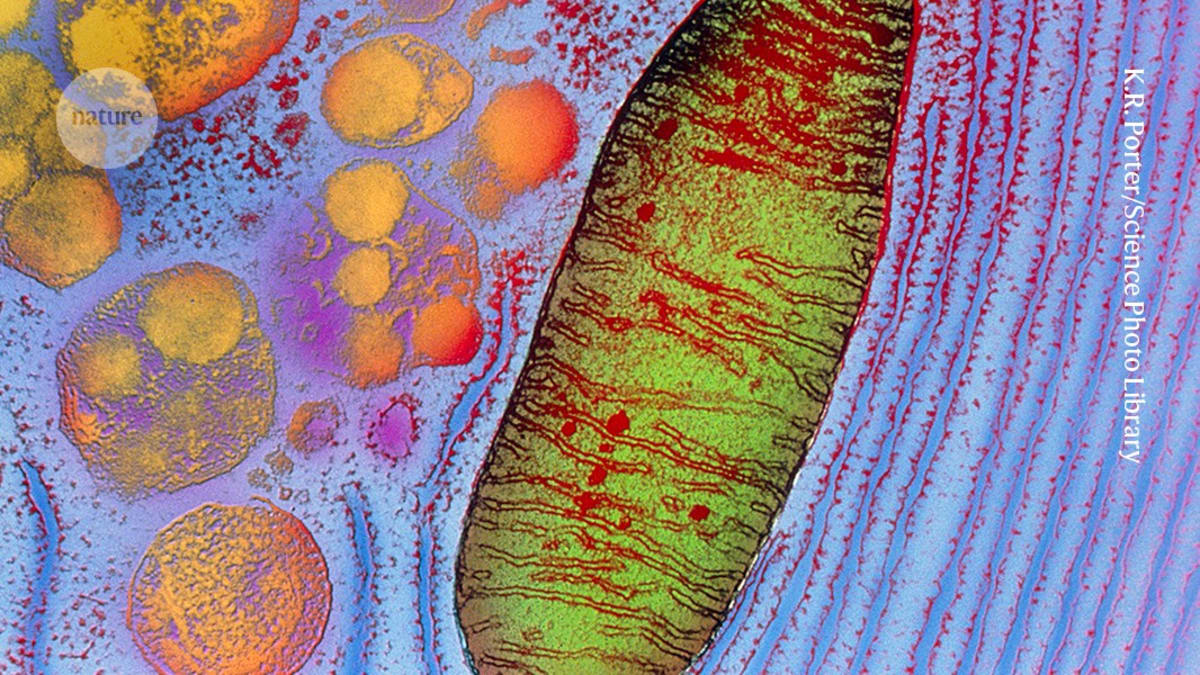
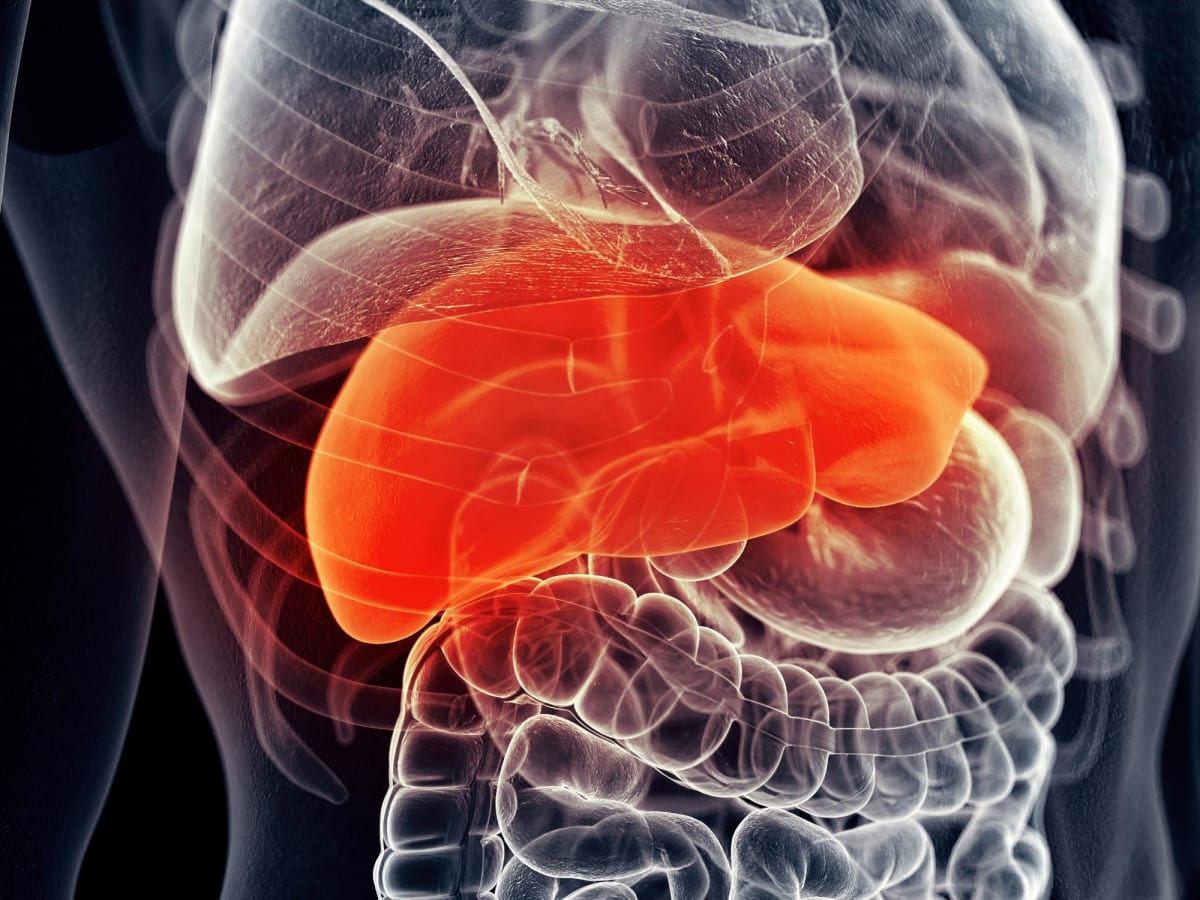
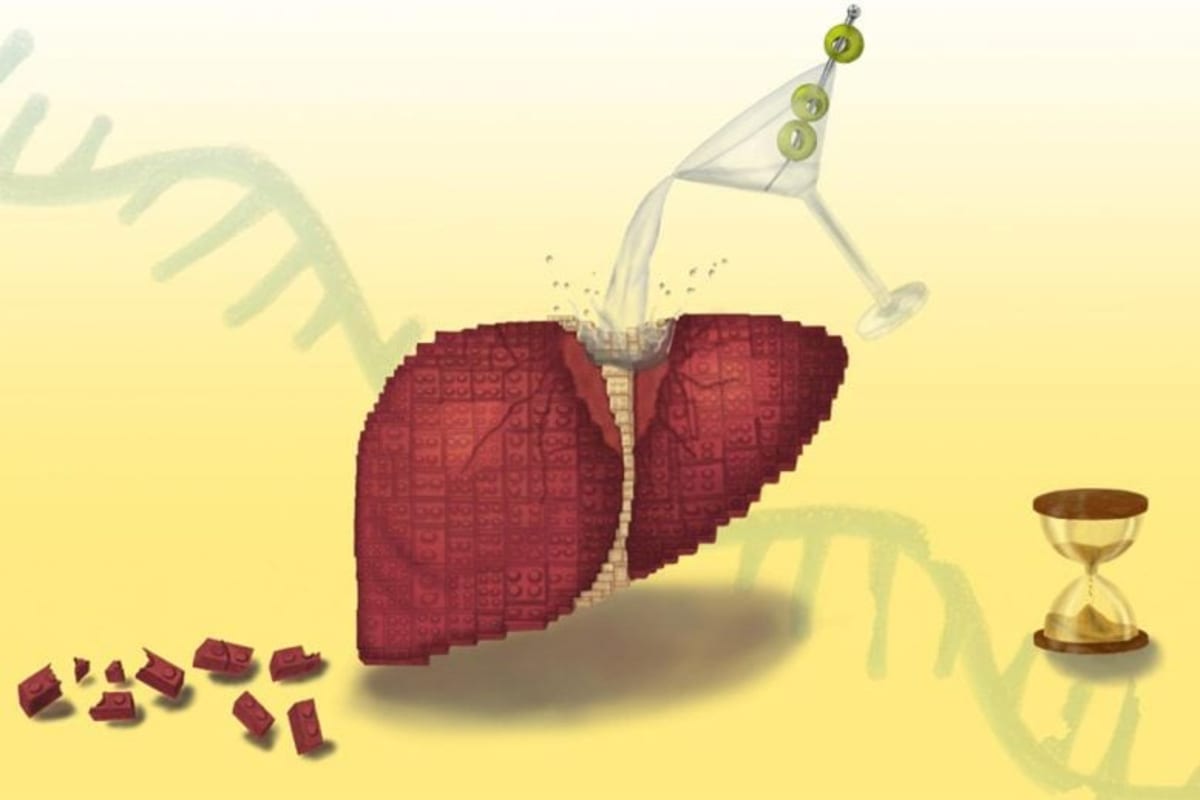
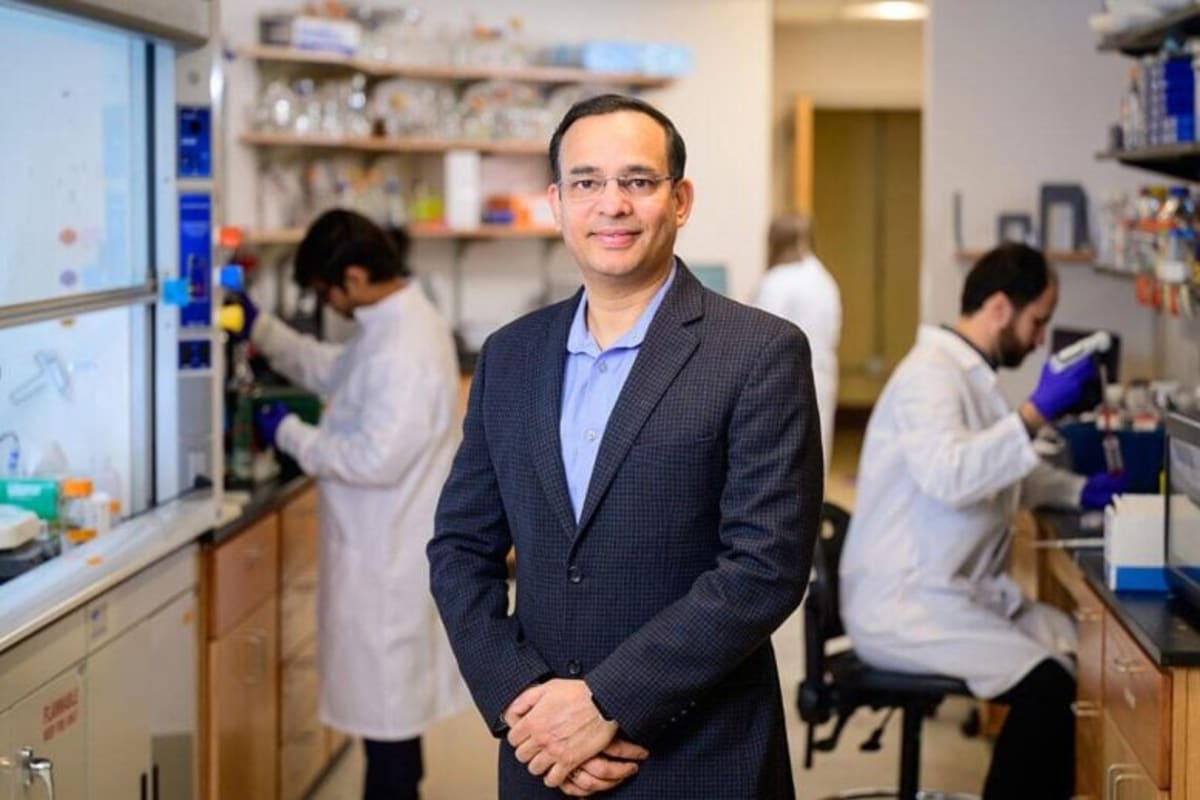
Researchers at the University of Illinois, Duke University, and the Chan Zuckerberg Biohub Chicago discovered why badly damaged livers fail to heal even after someone stops drinking alcohol completely. The answer lies deep inside liver cells, where a breakdown in the body's genetic editing system traps cells in a dysfunctional middle state.
The human liver is famously good at healing itself. It can even regrow after part of it is surgically removed. But in people with severe alcohol-related liver disease, that superpower suddenly stops working.
The research team found that chronic alcohol damage causes liver cells to get stuck halfway through their normal repair process. Instead of fully regenerating or returning to their regular jobs, the cells remain frozen in an unproductive in-between state that slowly leads to liver failure.
Graduate students Ullas Chembazhi and Sushant Bangru explained that these trapped cells are neither functional nor able to grow healthily. The remaining healthy cells then face increased pressure to compensate, attempt to regenerate, and end up stuck in the same useless state.
The culprit is a widespread breakdown in RNA splicing, the process cells use to edit genetic instructions before building proteins. Think of it like film editing where scenes get cut and rearranged to create the final product. When this editing goes wrong across thousands of genes, proteins malfunction or end up in the wrong places inside cells.
The team discovered that diseased livers have sharply reduced levels of ESRP2, a protein that controls proper RNA editing. Without it, critical repair proteins get stranded in the wrong part of the cell, unable to reach the nucleus where they normally activate healing programs.
Chronic inflammation drives the entire breakdown. As alcohol damages liver tissue, immune cells flood the organ and release inflammatory molecules that suppress ESRP2 and interfere with normal repair pathways.
The Bright Side
This discovery points toward potential treatments that could help damaged livers recover without transplantation. Currently, a liver transplant is often the only lifesaving option once advanced failure develops.
Understanding exactly how the repair process breaks down gives researchers specific targets for new therapies. Scientists could potentially develop treatments that restore proper RNA splicing, boost ESRP2 levels, or help cells escape their trapped state.
The research, published in Nature Communications, also helps explain why some patients continue declining toward liver failure even after they quit drinking entirely. Doctors have observed this frustrating pattern for years without understanding the underlying cause.
For the thousands of people diagnosed with alcohol-related liver disease each year, this breakthrough offers something precious: hope that damaged organs might one day heal themselves again.
More Images

Based on reporting by Google News - Scientists Discover
This story was written by BrightWire based on verified news reports.
Spread the positivity!
Share this good news with someone who needs it