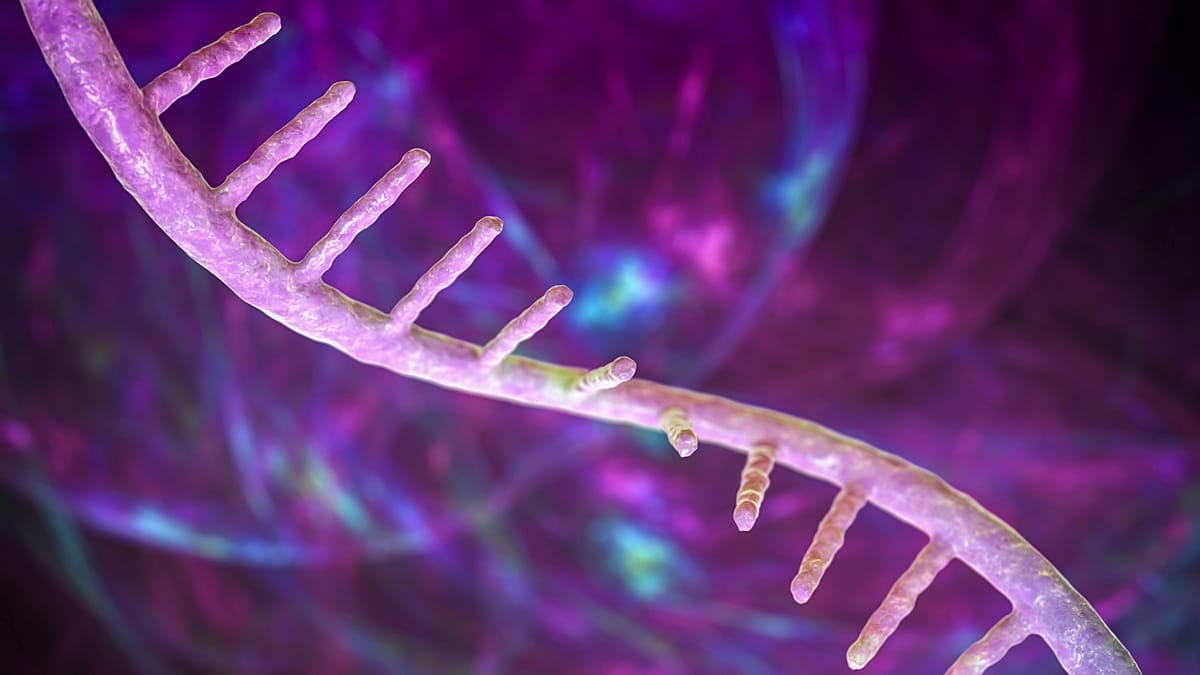
Scientists Double mRNA Speed with New Chemical Discovery
Johns Hopkins researchers found a chemical tweak that makes mRNA medicines produce proteins nearly twice as fast as current COVID vaccine technology. The discovery could lead to more powerful treatments using smaller doses.
A tiny chemical swap inside our cells could make the next generation of mRNA medicines dramatically more effective.
Scientists at Johns Hopkins Medicine discovered that replacing one chemical modification with another makes mRNA therapies produce significantly more protein inside cells. The breakthrough, published in Nature, could transform how we develop vaccines and treatments for cancer, infectious diseases, and autoimmune conditions.
The current mRNA technology, used in COVID-19 vaccines, relies on a modification called m1Ψ. The Johns Hopkins team tested a different naturally occurring modification called ac4C and found something remarkable.
When ribosomes read genetic instructions to build proteins, they moved nearly twice as fast along ac4C-modified mRNA compared to the current industry standard. Think of it like clearing a traffic jam on a molecular highway.
"Our imaging revealed that ribosomes travel nearly twice as fast on the ac4C-modified mRNA, preventing the ribosomal traffic jam we may encounter with the industry standard mRNA platform," said Bin Wu, associate professor of biophysics and biophysical chemistry at Johns Hopkins.
The team tested both approaches in cultured human dendritic cells and mouse liver cells. The results showed ac4C consistently caused cells to produce more therapeutic proteins to fight disease.
The speed difference matters because the amount of protein produced determines whether a therapy works effectively. If cells can make more protein from the same amount of mRNA, future treatments might achieve better results with smaller doses.
The Ripple Effect
This discovery arrives as mRNA technology expands far beyond COVID vaccines. Researchers are developing mRNA therapies for infectious diseases, experimental cancer treatments that stimulate the immune system, and new approaches to autoimmune conditions.
More than 170 RNA modifications exist in nature, but only a handful have been studied for therapeutic purposes. The Johns Hopkins team's focus on ac4C opens a new avenue researchers hadn't fully explored.
Smaller, more effective doses could make mRNA medicines more accessible and affordable. Patients might need less medication to achieve the same therapeutic benefit, potentially reducing side effects while maintaining effectiveness.
The technology remains experimental and requires further testing in living organisms. But the molecular mechanism the researchers identified suggests a clear path forward for improving mRNA platforms.
If ac4C proves safe and effective in human trials, it could become a cornerstone of next generation mRNA medicines, helping doctors treat diseases more efficiently than ever before.
More Images



Based on reporting by Google News - Scientists Discover
This story was written by BrightWire based on verified news reports.
Spread the positivity!
Share this good news with someone who needs it
%2Fhttps%3A%2F%2Ftf-cmsv2-smithsonianmag-media.s3.amazonaws.com%2Ffiler_public%2F8f%2F51%2F8f519049-2d05-4f9a-8858-f58ed880bd57%2Fgettyimages-1432941680.jpg)
