Scientists Engineer Perfect Grass for 2026 World Cup
FIFA spent five years developing a system to make natural grass play identically across 16 stadiums in three countries. The breakthrough solves a problem that plagued past tournaments and could change how major sporting events handle fields forever.
Imagine playing the biggest game of your life only to have the ball bounce unpredictably because of dead grass patches. That nightmare almost became reality at recent soccer tournaments, with viral videos showing players struggling on inconsistent fields.
Now FIFA has turned grass growing into an exact science for the 2026 World Cup. Two professors who once watched grass "just survive" inside Michigan's Silverdome in 1994 have spent five years engineering a solution that makes natural turf perform the same way whether it's under Texas heat or a Canadian roof.
The challenge sounds simple but the science is complex. Eight of the 16 stadiums normally use artificial turf, and five have roofs that block sunlight. Each field must drain heavy rain without drying out, stay firm enough for fast play without becoming dangerously hard, and recover quickly when players tear it up.
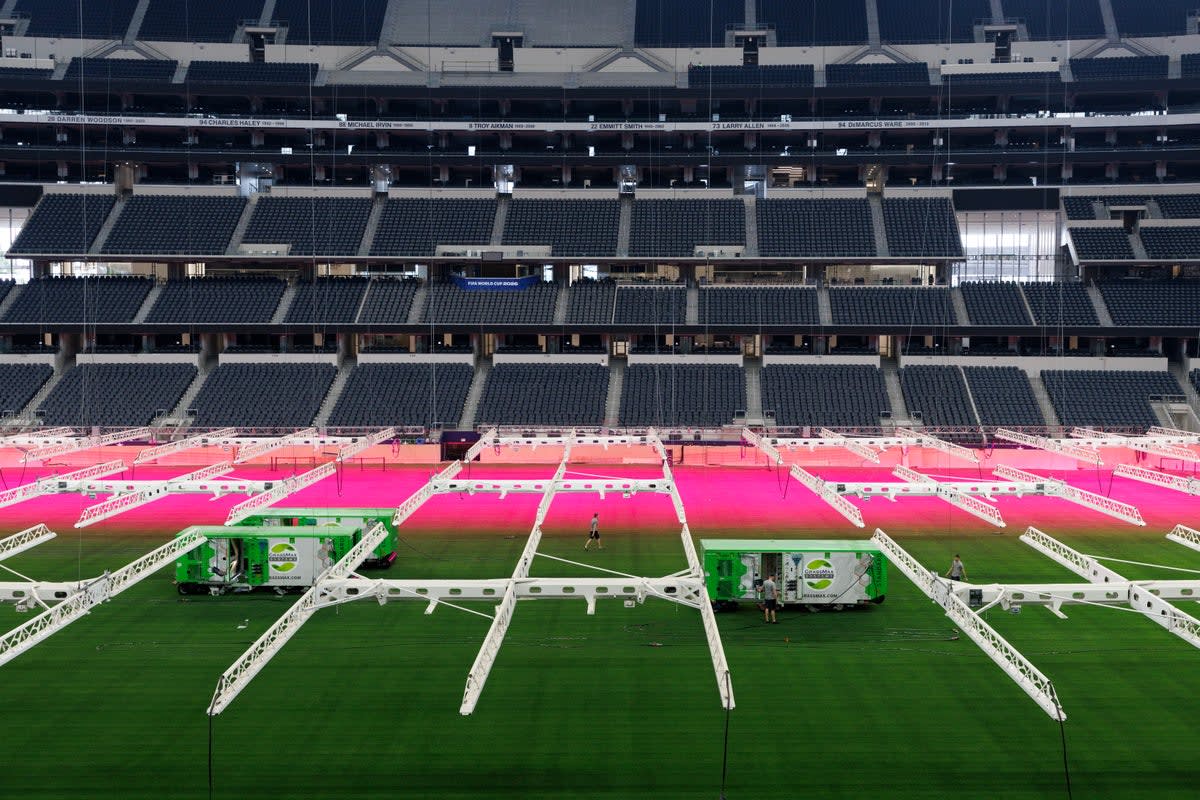
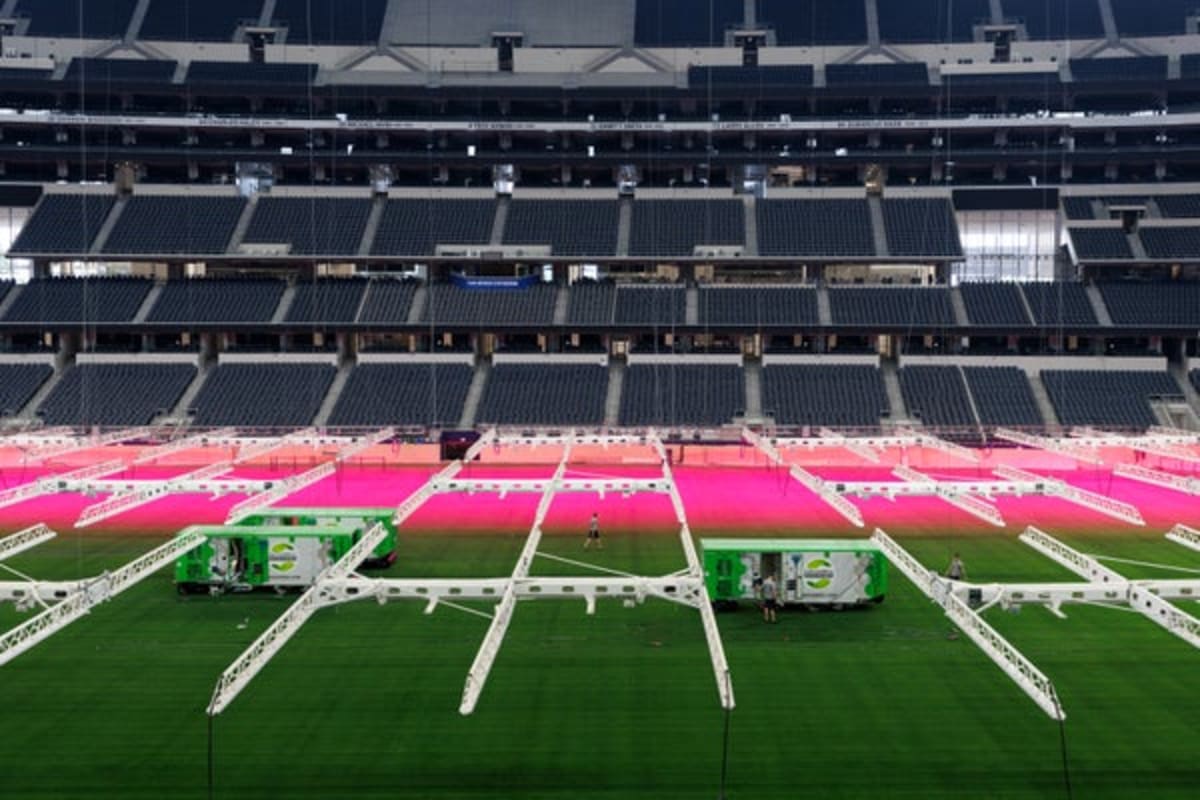
The solution required reimagining how grass grows. Warmer stadiums use Bermuda grass systems while cooler ones get cool-season varieties. Roofed venues use a low-light grass native to the British Isles, kept alive by massive ceiling-mounted grow lights that fold away before matches.
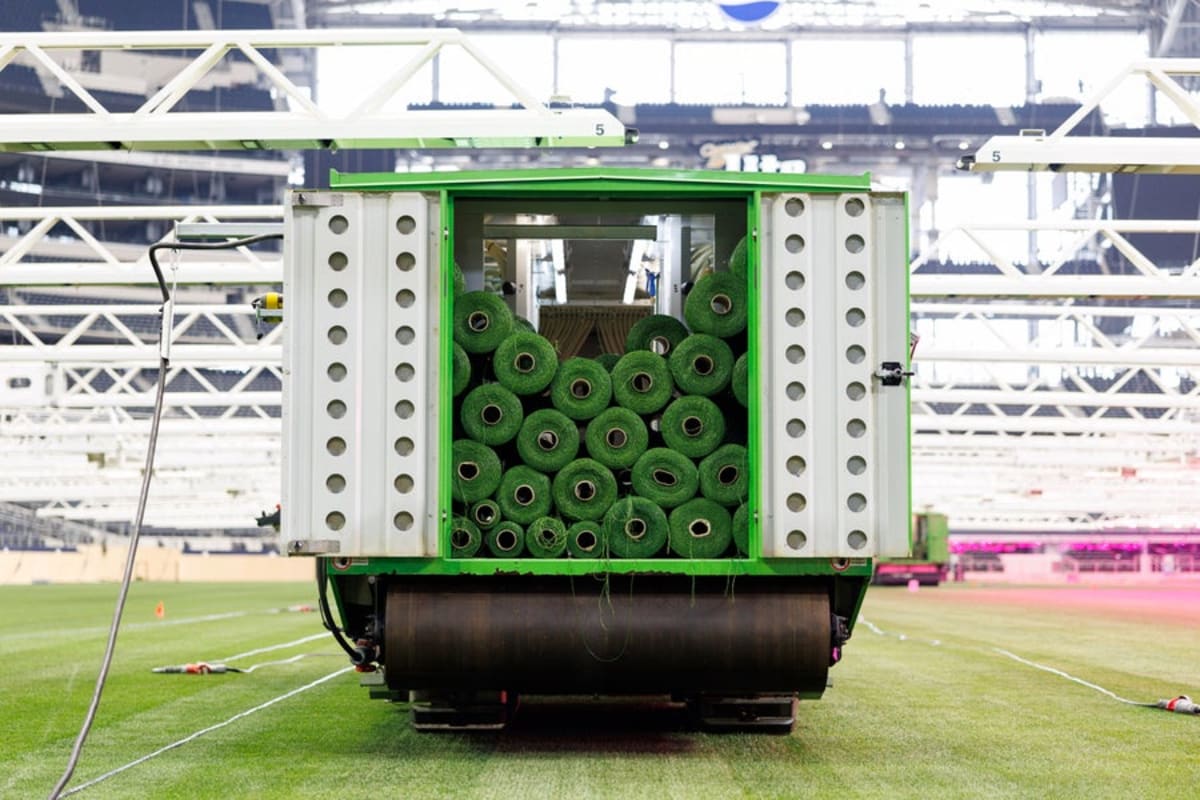
The real innovation happens below the surface. Crews grow two-inch-thick sod on plastic so it can travel without rooting into stadiums. Synthetic fibers stitched into the base act like rebar in concrete, preventing the surface from tearing when players make sharp cuts.
Teams monitor every field constantly, probing for moisture and testing performance by firing soccer balls at the surface at 55 miles per hour. The goal isn't making identical grass but narrowing nature's variation until players can't tell the difference. Some stadiums even removed seating rows to fit regulation-sized pitches.
Why This Inspires
This project shows what's possible when people refuse to accept "good enough." Instead of using artificial turf or hoping natural grass survives, scientists spent half a decade perfecting a system that respects both the game and the environment.
The work also demonstrates collaboration at its best. Rather than imposing rigid rules, the researchers created guidance that empowers local pitch managers while maintaining consistent standards. They're not replacing expertise but enhancing it with science.
Most inspiring is what this means beyond soccer. The techniques developed here could help maintain green spaces in challenging environments, from roofed stadiums to urban parks. When you combine patience, expertise, and innovation, even grass can become a breakthrough.
Professor John Sorochan isn't anxious as the tournament begins because the preparation has been thorough and the science is sound. After years of work transforming how we think about natural playing surfaces, he's simply excited to watch it succeed.
More Images

Based on reporting by Scientific American
This story was written by BrightWire based on verified news reports.
Spread the positivity!
Share this good news with someone who needs it