UC Wins Federal Grant to Use AI for Climate Solutions
The University of Cincinnati just landed a spot in a major federal initiative using artificial intelligence to solve environmental challenges. Their project could transform how scientists predict and protect groundwater systems across America.
Scientists at the University of Cincinnati are about to change how we understand what's happening beneath our feet, and it could help clean contaminated water and protect our planet's resources.
The U.S. Department of Energy selected UC from more than 5,000 proposals for its Genesis Mission, a national push to speed up scientific breakthroughs using artificial intelligence. The project brings together experts in geology, AI, and cutting-edge technology to create something that sounds like science fiction: a digital twin of underground water systems.
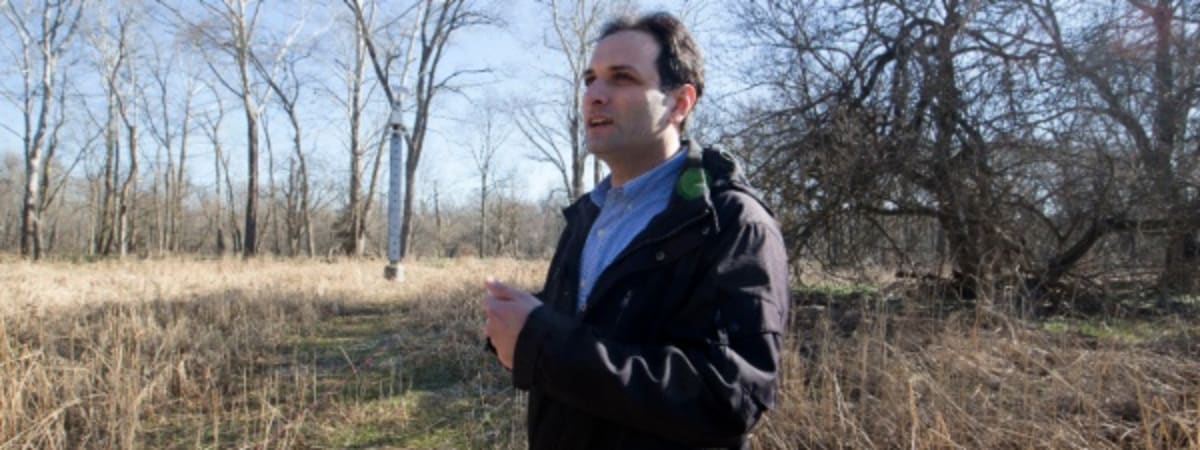
Professor Reza Soltanian is leading the effort at UC's research site along the Great Miami River. His team will use AI to combine geological data, field observations, and computer models into one interactive system that can predict how water, nutrients, and contaminants move underground.
Think of it like a super-smart map that doesn't just show what's underground, but predicts what will happen next. Scientists could use it to clean up pollution, manage groundwater, or find critical minerals we need for clean energy.
The team is starting at UC's extensively equipped field site, where they've already gathered mountains of data about the local groundwater system. Professor Ming Tang is building an extended reality interface that will let researchers virtually step inside the data and explore it like a video game.
The Ripple Effect
This isn't just about one river in Ohio. The framework they're developing could scale up to tackle challenges across the country, from geothermal energy to carbon storage to protecting drinking water supplies.
Energy Secretary Chris Wright called the selected projects "the very best of our nation's scientific enterprise." UC was one of just 278 winners chosen from that pool of thousands.
What makes this project special is its versatility. Instead of solving one specific problem, Soltanian's team is building a flexible tool that can adapt to different environmental challenges.
The work combines multiple cutting-edge fields: hydrogeology, geophysics, AI modeling, and virtual reality. It's the kind of collaboration that shows how modern science breaks down old boundaries between disciplines.
The team includes researchers from Pacific Northwest National Laboratory, New Mexico State University, and a private imaging company. Together, they're proving that the biggest environmental challenges need diverse expertise working side by side.
This is science that matters right now, tackling real problems like contaminated sites, nutrient pollution, and water sustainability while building tools for tomorrow's clean energy needs.
Based on reporting by Google: scientific discovery
This story was written by BrightWire based on verified news reports.
Spread the positivity!
Share this good news with someone who needs it