Scientists Film Humpback Whale Mom Grieving Stillborn Calf
In a heartbreaking first, researchers captured a mother humpback whale spending 90 minutes trying to connect with her stillborn baby on the ocean floor. The rare footage reveals how deeply these ocean giants feel love and loss. ##
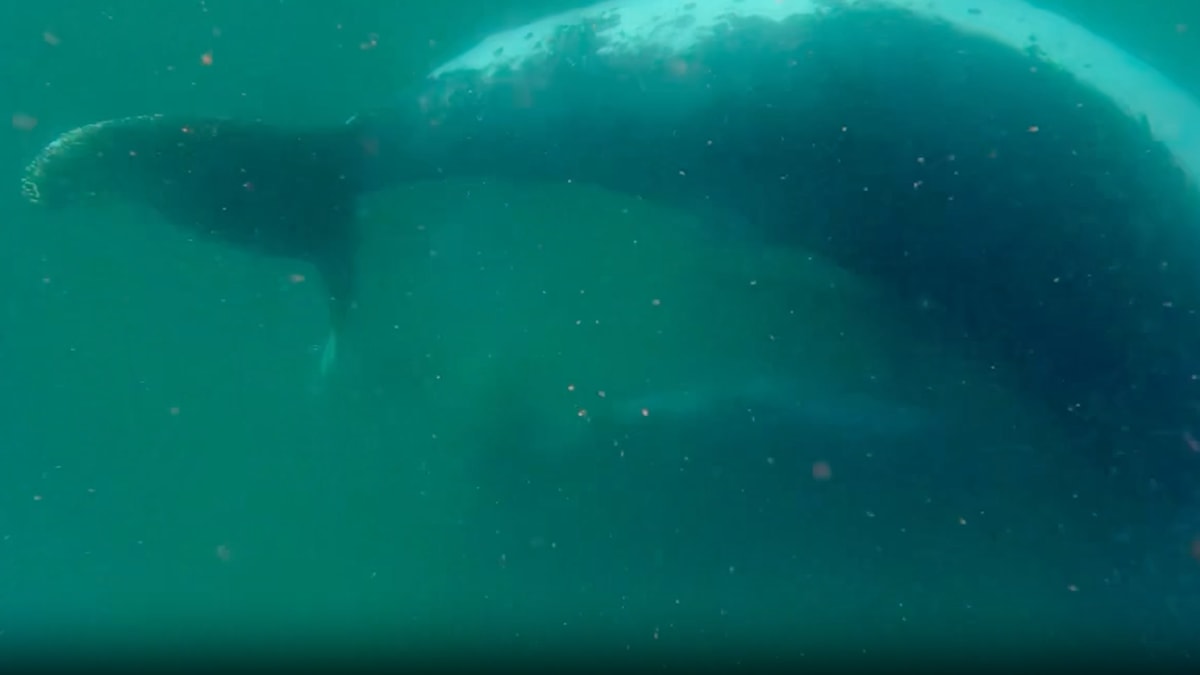
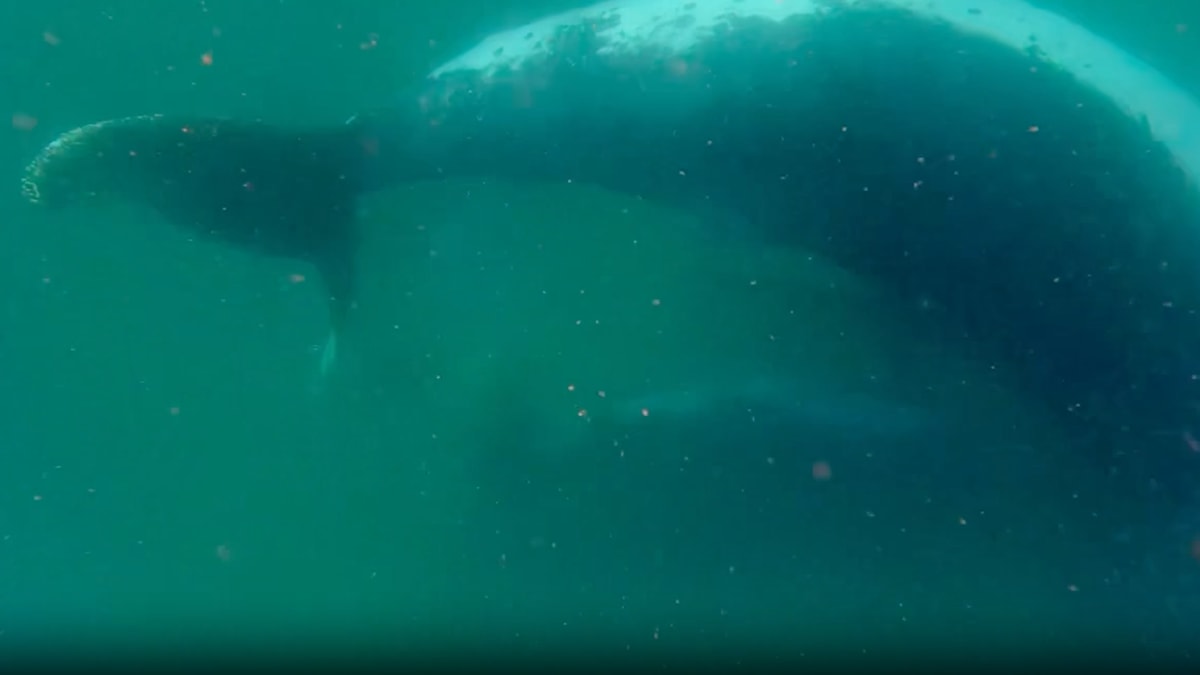
Off the coast of southeastern Australia, a humpback whale mother did something scientists had never witnessed before. She stayed with her stillborn calf on the seafloor, gently moving her fin over the baby's body and trying to make eye contact, as if hoping for a flicker of life.
The extraordinary moment happened in July 2025 when Andrew Mulville spotted two adult whales near his boat acting unusual. One whale floated vertically with her tail pointing up, and moments later, he saw pieces of an amniotic membrane on the water's surface.
The whale had just given birth, but there was no calf swimming alongside her. Mulville grabbed a GoPro and followed the mother underwater, discovering the newborn resting motionless on the seafloor below.
What happened next moved everyone watching. The mother dove down repeatedly, resting beside her baby for about a minute at a time, positioning herself to look into the calf's eyes.
Unlike baby dolphins and porpoises, newborn humpbacks don't have enough blubber to float on their own. They need their mothers to help them reach the surface, which is why researchers had never documented a humpback stillbirth until now.
Marine ecologist Olaf Meynecke from Griffith University explained that only about 20 humpback births have ever been recorded in scientific literature. This makes the footage published in Discover Animals incredibly valuable for understanding whale behavior.
The mother wasn't alone during her grief. Another adult whale, likely a female friend of similar age, stayed nearby as an escort, offering support the way humpback whales often do during pregnancy and birth.
The grieving behavior lasted at least 90 minutes while researchers watched, possibly continuing for days. Local observers reported seeing the whales swimming in the same area for two more days afterward.
Why This Inspires
This moment reminds us that love and grief aren't uniquely human experiences. The mother whale's gentle care for her stillborn baby, the way she kept checking for signs of life, mirrors the deep bonds we recognize in ourselves.
Scientists say this behavior reveals the strong maternal attachment humpback whales feel toward their young. The footage also aligns with other observations of humpbacks caring for distressed whales and even protecting other species from predators.
Understanding how whales experience loss helps us see these magnificent creatures not just as wildlife, but as fellow beings with rich emotional lives. Every glimpse into their world deepens our connection to the oceans they call home and strengthens our commitment to protecting them.
##
More Images

Based on reporting by Google News - Science
This story was written by BrightWire based on verified news reports.
Spread the positivity!
Share this good news with someone who needs it