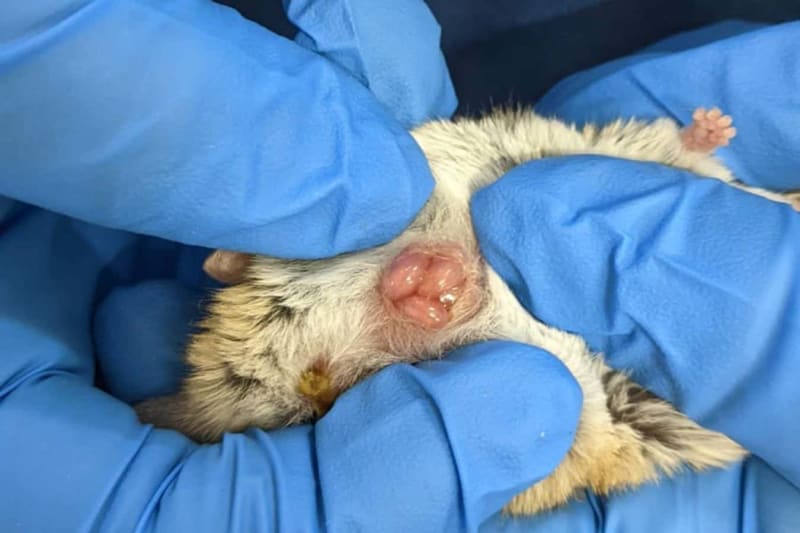
Scientists Film Newborn Marsupials' First Journey to Pouch
Researchers captured the first-ever footage of tiny marsupial babies crawling to their mother's pouch, solving a mystery that has puzzled scientists for decades. The 22-second video reveals remarkable survival instincts in creatures smaller than a grain of rice.
📺 Watch the full story above
Scientists in Australia just witnessed something no human has ever seen before: newborn marsupials making their incredible journey to their mother's pouch.
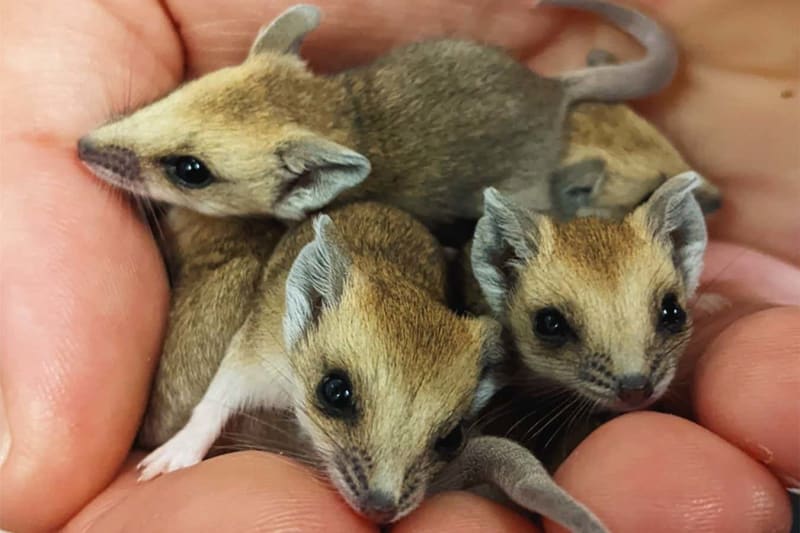
Researchers at the University of Melbourne were checking on their colony of fat-tailed dunnarts when they spotted something extraordinary. Tiny babies, each weighing just 5 milligrams (lighter than a grain of rice), were waving their arms and crawling across their mother's belly toward her pouch.
Brandon Menzies and his team had been studying these small marsupials for years, but no one had ever caught this moment. The babies are nocturnal and the entire journey takes just 30 seconds, making it nearly impossible to observe.
The footage shows the minuscule newborns using a "freestyle-swimming" motion to navigate. They move their tiny arms about 120 times per minute, powered purely by instinct after only 14 days in the womb.
Why This Inspires
What makes this discovery so remarkable is the sheer determination packed into such impossibly small creatures. Just 10 days before their birth, these babies were only a few cells. Now they're navigating a journey that will determine their survival.
The crawl to the pouch is just the beginning of their challenge. Fat-tailed dunnarts can give birth to 17 babies but only have 10 teats available. The babies that reach the pouch first and latch onto a teat will survive. It's nature at its most raw and honest.
Scientists previously thought the babies were so tiny they must be somehow squirted directly into the pouch. This footage proves these remarkable creatures are born with the strength and navigation skills to make the journey themselves, using gravity as their guide.
The research team keeps the dunnart colony partly because these animals are the closest living relatives of the extinct Tasmanian tiger. Understanding how they develop could help conservation efforts for other rare marsupials across Australia.
This glimpse into a hidden moment of nature reminds us how much we still have to discover, even about animals we've studied for decades.
More Images


Based on reporting by New Scientist
This story was written by BrightWire based on verified news reports.
Spread the positivity!
Share this good news with someone who needs it