Scientists Finally Prove Light Is Both Wave and Particle
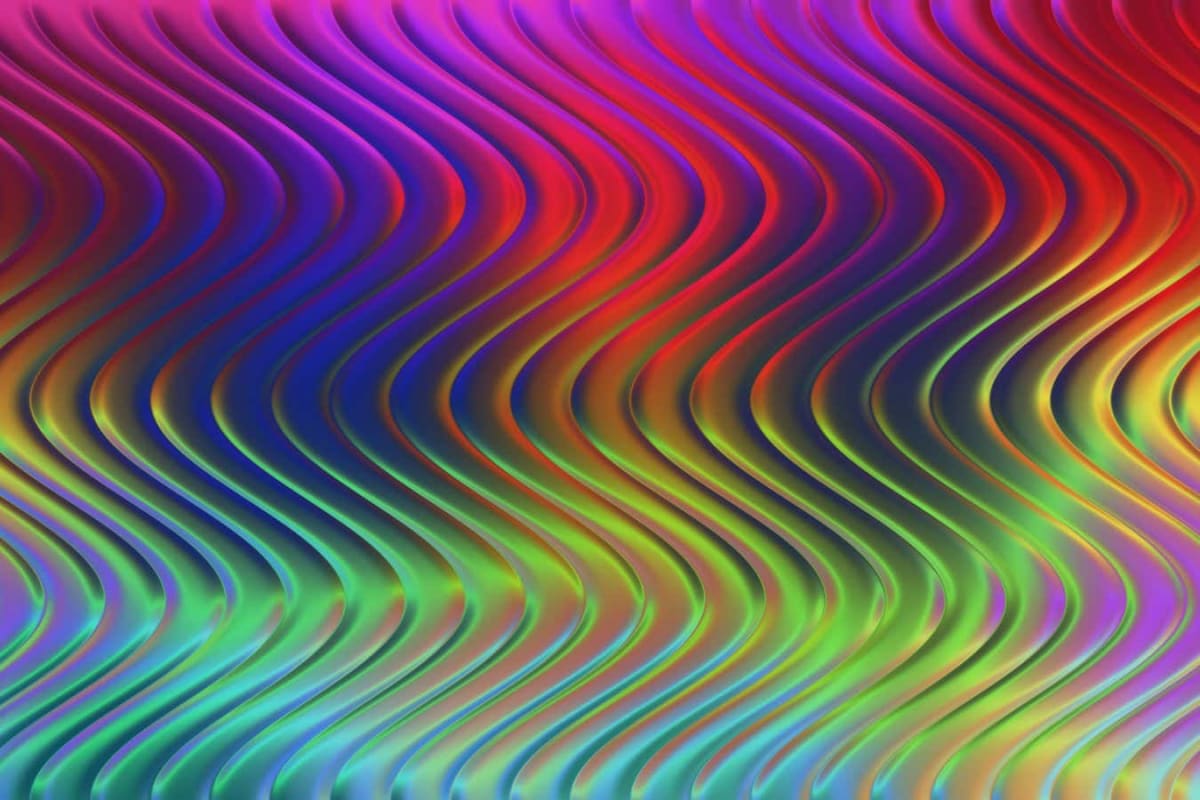
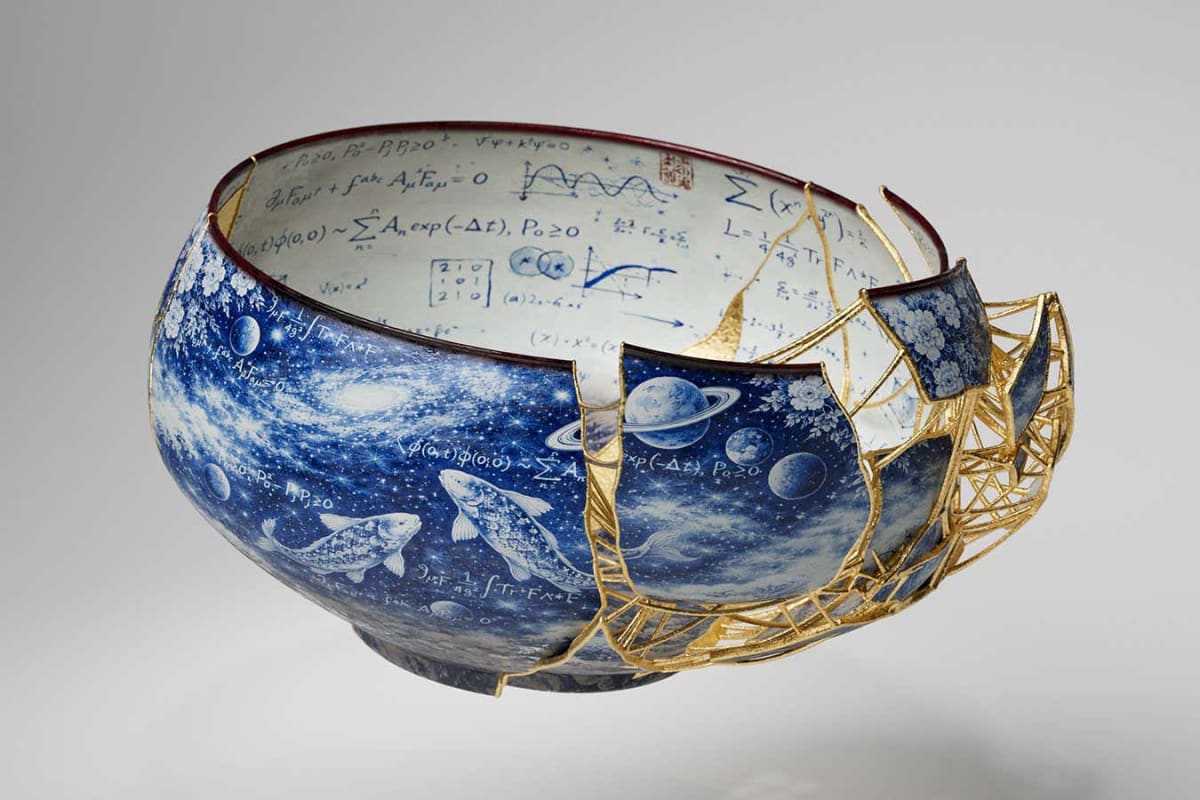
A century-old physics puzzle just got solved. Scientists now have proof that light really does act as both a wave and a particle at the same time.
For over 100 years, physicists argued about light's true nature, stuck between two seemingly impossible answers.
The debate started simple enough. Some experiments showed light behaving like a wave, rippling through space. Others revealed it acting like tiny particles shooting in straight lines. Both couldn't be true at once, or so everyone thought.
Then in 1937, physicist Clinton Davisson won the Nobel Prize for discovering electrons could also switch between wave and particle behavior. He called light "a gnome with two heads" because it broke every rule physicists believed about how matter should work. The discovery was both groundbreaking and deeply unsettling.
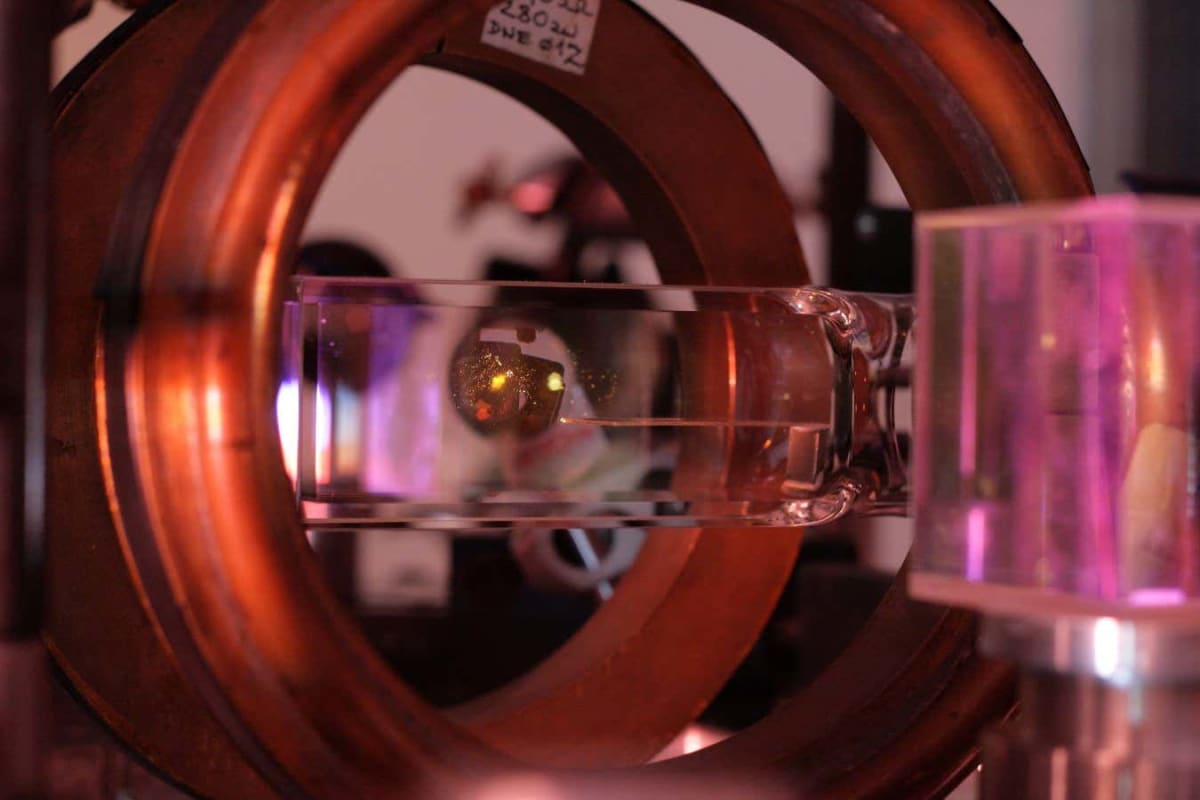
Scientists have now moved beyond the confusion. Modern quantum physics experiments prove that light genuinely exists as both wave and particle simultaneously, not switching between states but embodying both at once. What once seemed impossible is now established fact.
The breakthrough didn't come from choosing one side or the other. Instead, physicists had to completely rethink what it means to be a "thing" in our universe. The old categories of wave versus particle were too limiting.
Why This Inspires
This scientific journey shows how progress sometimes means accepting answers that seem contradictory at first. Physicists spent decades feeling uncomfortable with light's dual nature before embracing it as fundamental truth.
The discovery reshaped our entire understanding of reality at the smallest scales. Everything we know about quantum mechanics, modern electronics, and even the nature of existence itself flows from accepting this "impossible" answer.
Young students today learn about wave-particle duality as basic fact, never knowing how much intellectual courage it took to accept. What baffled Nobel Prize winners is now taught in high school physics classes worldwide.
The lesson reaches beyond physics labs. Sometimes the right answer isn't choosing between two options but recognizing both can be true simultaneously.
Scientists transformed confusion into clarity by staying curious and open to possibilities that challenged their deepest assumptions about how the universe works.
More Images
Based on reporting by New Scientist
This story was written by BrightWire based on verified news reports.
Spread the positivity!
Share this good news with someone who needs it