Scientists Find 10-Billion-Year-Old Galaxy Inside Milky Way
Astronomers discovered remnants of an ancient dwarf galaxy our Milky Way consumed 10 billion years ago, solving a major puzzle about how our cosmic home grew so massive. The finding reveals a missing piece of our galaxy's origin story.
Astronomers just uncovered evidence of a cosmic meal our galaxy ate billions of years ago, and it's rewriting what we know about where we came from.
Researchers identified 20 unusual metal-poor stars near the Milky Way's disk that likely came from an ancient dwarf galaxy consumed about 10 billion years ago. They nicknamed it Loki after the Norse trickster god because the stars' strange orbital patterns initially baffled them.
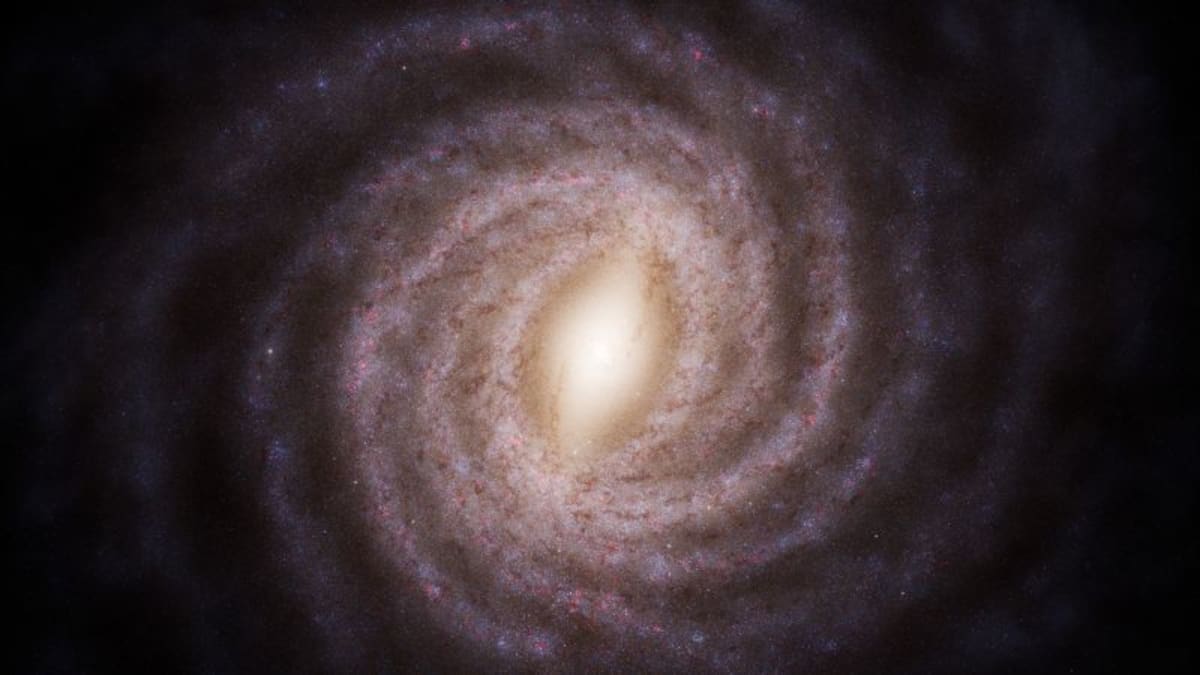
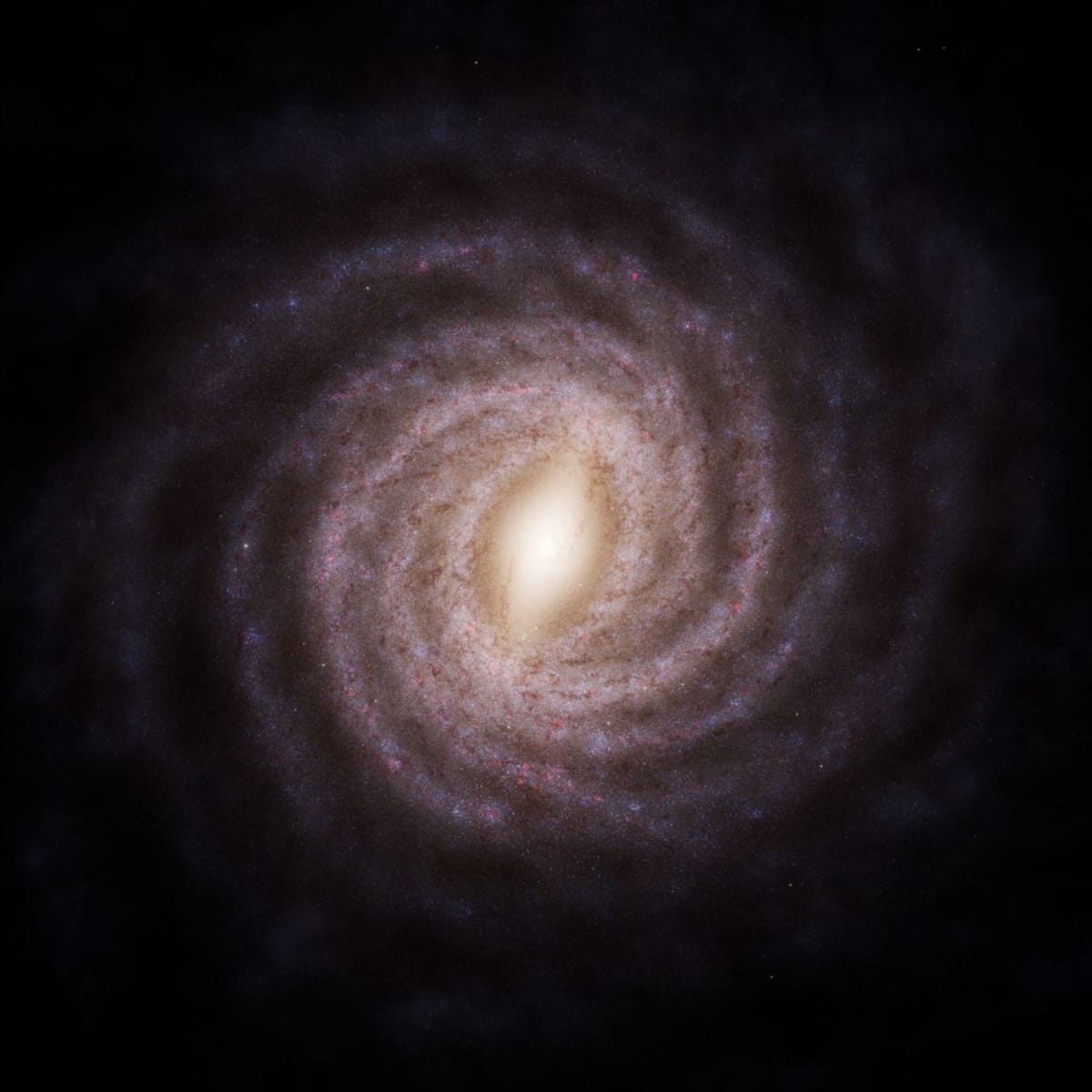
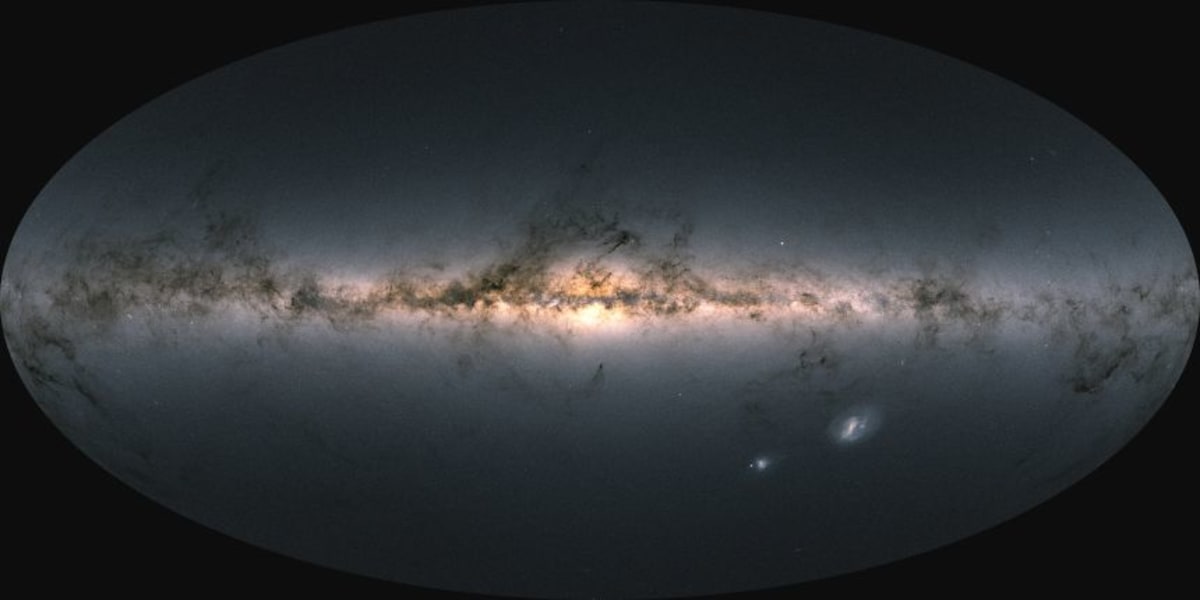
The discovery matters because scientists have long wondered how the Milky Way grew from a smaller galaxy into the massive cosmic giant we call home today. Our galaxy spans 100,000 light-years and contains up to 400 billion stars, but it wasn't always this huge.
The Milky Way built itself by merging with smaller dwarf galaxies over billions of years, starting about 12 billion years ago. But astronomers struggled to find evidence of many of these ancient mergers, leaving gaps in understanding our galaxy's true origin story.
Dr. Federico Sestito from the University of Hertfordshire led the team that found these stars hiding in plain sight. Most searches for ancient stars focused on the stellar halo, the diffuse cloud surrounding our galaxy, making these disk-dwelling stars an unexpected find.
Metal-poor stars serve as cosmic detectives' best clues because the universe's first stars contained only hydrogen and helium. Later generations became enriched with heavier elements as older stars exploded, so finding metal-poor stars means finding ancient ones.
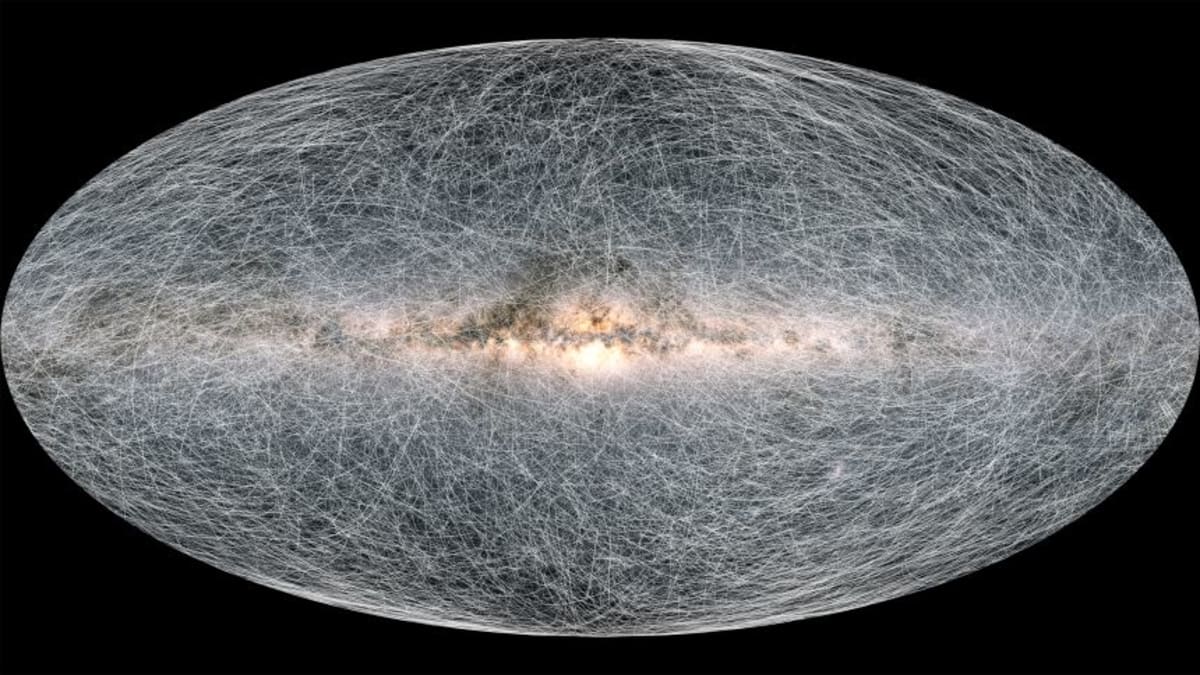
The challenge was spotting them among the galactic disk's crowded neighborhood of younger, metal-rich stars and thick dust clouds. The team used data from the Gaia space telescope, which has mapped over 1.8 billion stars, to identify these cosmic fossils.
Why This Inspires
This discovery shows that even in our own cosmic backyard, major mysteries remain waiting to be solved. What seemed like an empty chapter in our galaxy's story was simply hiding where no one thought to look carefully enough.
Dr. Cara Battersby from the University of Connecticut, who wasn't involved in the study, explains that these ancient stars hold clues to the formation of the universe's earliest generations of stars. They've been silently orbiting for billions of years, carrying their secrets through time.
The finding suggests the Milky Way made a rather large meal early in its history, consuming a significant galaxy that became a critical building block of what we are today. Each new discovery like this helps us understand not just where our galaxy came from, but where we came from too.
Looking up at the night sky means looking at a story 10 billion years in the making, and we're still learning new chapters.
More Images
Based on reporting by Google News - Science
This story was written by BrightWire based on verified news reports.
Spread the positivity!
Share this good news with someone who needs it
%2Fhttps%3A%2F%2Ftf-cmsv2-smithsonianmag-media.s3.amazonaws.com%2Ffiler_public%2Ff0%2Ffe%2Ff0fe19e4-e68b-474d-b0a4-19c5beb9d19d%2Fspeedy-star.webp)