Scientists Find 100,000 Years of Ancient Containers
Forget weapons. The first human tool might have been something much simpler: a container to hold and carry precious things. A new database of 793 prehistoric containers is rewriting our understanding of what made early humans so successful.
Scientists have spent over a year building a database that challenges everything we thought we knew about early human tools.
For decades, archaeologists believed the first tools were weapons. We imagined our ancestors wielding sharp stones for hunting and killing. But a groundbreaking new study suggests the real game changer was far humbler: the container.
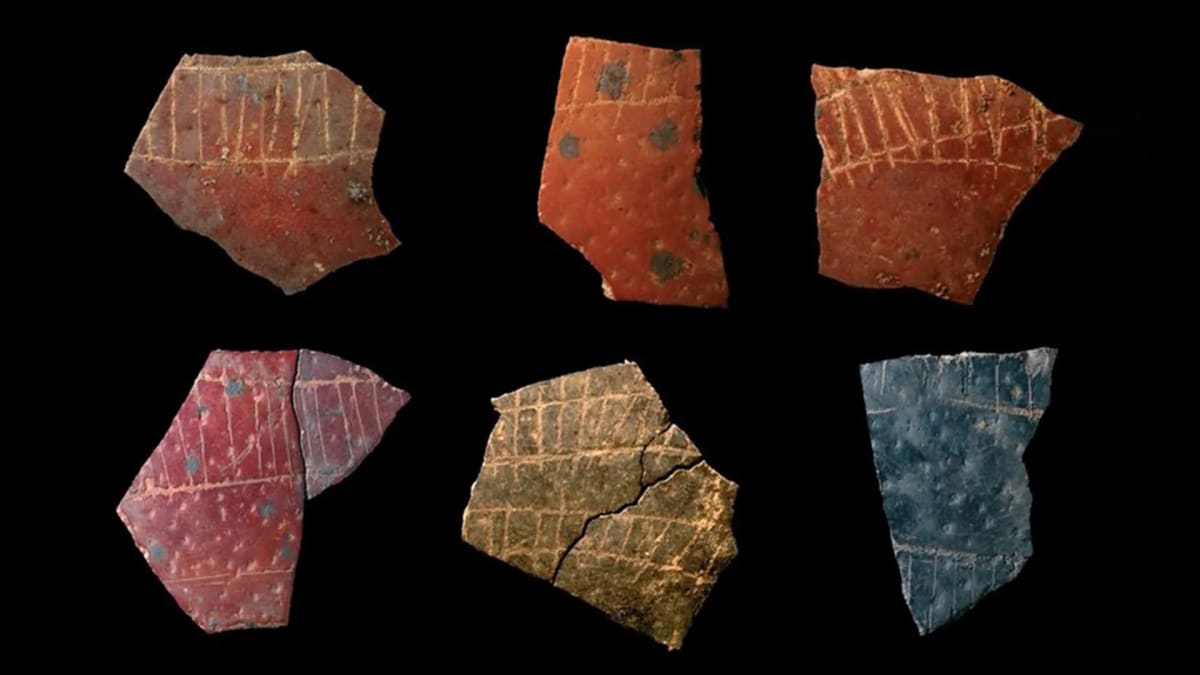
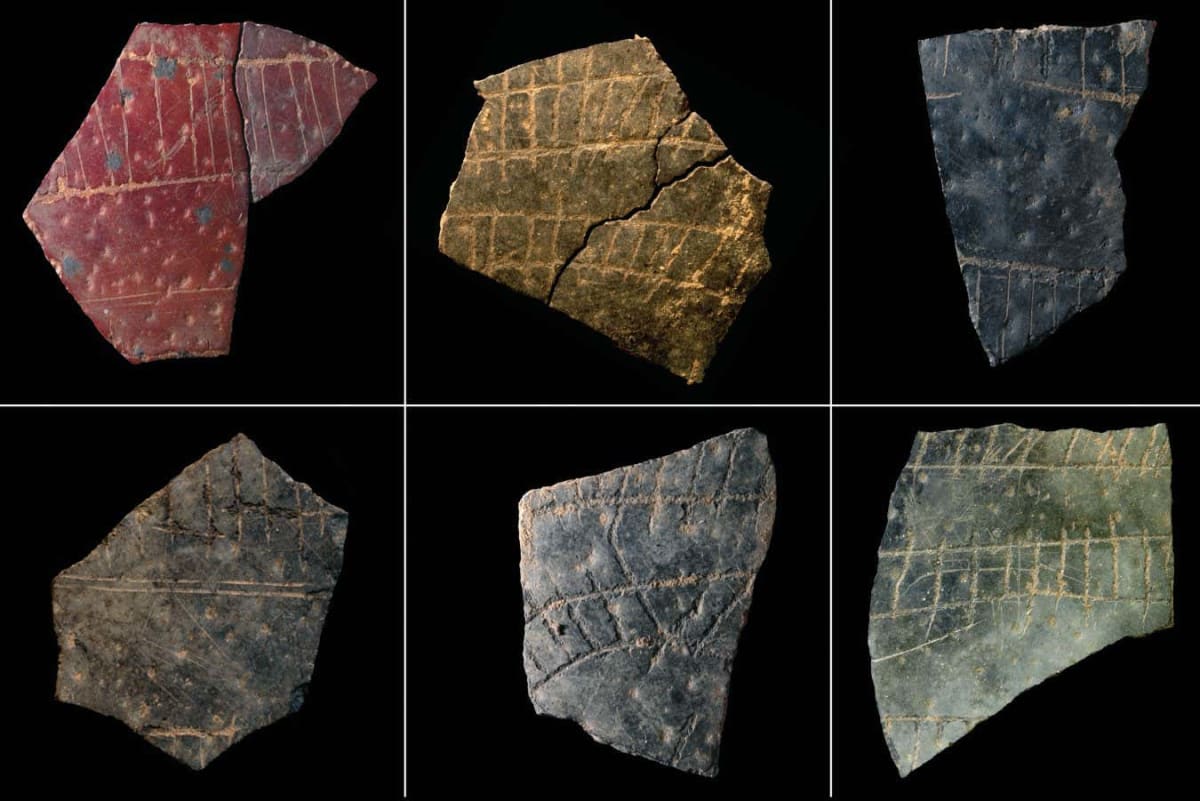
Marc Kissel, a palaeoanthropologist at Appalachian State University, led a team that compiled 793 examples of prehistoric containers spanning over 100,000 years. The collection includes carved stone lamps, hollow swan bones that likely carried needles, and sturdy ostrich eggs used to transport water across Africa.
"It solves a lot of problems," says Kissel. "It opens up this new niche."
The team searched scientific literature for over a year, looking for any object that could hold something inside and be carried by a person. They cast a wide net, including items we might not immediately think of as containers, like spoons that transport food from bowl to mouth.
One famous example is a red sandstone lamp from Lascaux Cave in France, carved with a divot for burning animal fats and fitted with a handle. Rock art from Germany shows what appears to be a net, another type of container that could carry multiple items at once.
The discovery pushes container use back much further than previously thought. Archaeologists once believed containers only emerged about 10,000 years ago with farming and pottery. The thinking was that settled farmers needed to store food surpluses, while mobile hunter-gatherers had no use for breakable pots.
But the new evidence paints a different picture. Containers developed gradually over many thousands of years, with people creating more types as they solved new problems.
Why This Inspires
What makes containers so revolutionary is that they fundamentally changed what humans could do. Unlike other primates, who occasionally use leaves as sponges but never true containers, early humans invented ways to carry water, preserve food, and transport precious tools over long distances.
"It's one of the things that allow humans to be so successful," says Kissel.
The team believes their 793 examples represent just a tiny fraction of what once existed. Most containers were likely made from plant materials like wood and woven fibers that decomposed long ago. The Stone Age was also the Botanic Age, full of ingenious creations we'll never see.
This research reminds us that human innovation wasn't built on violence but on practical problem solving. Our ancestors thrived not because they made better weapons, but because they found smarter ways to carry the things that mattered.
More Images



Based on reporting by New Scientist
This story was written by BrightWire based on verified news reports.
Spread the positivity!
Share this good news with someone who needs it