Search

Find uplifting stories about heroes, innovations, and solutions

17 results for "anthropology"

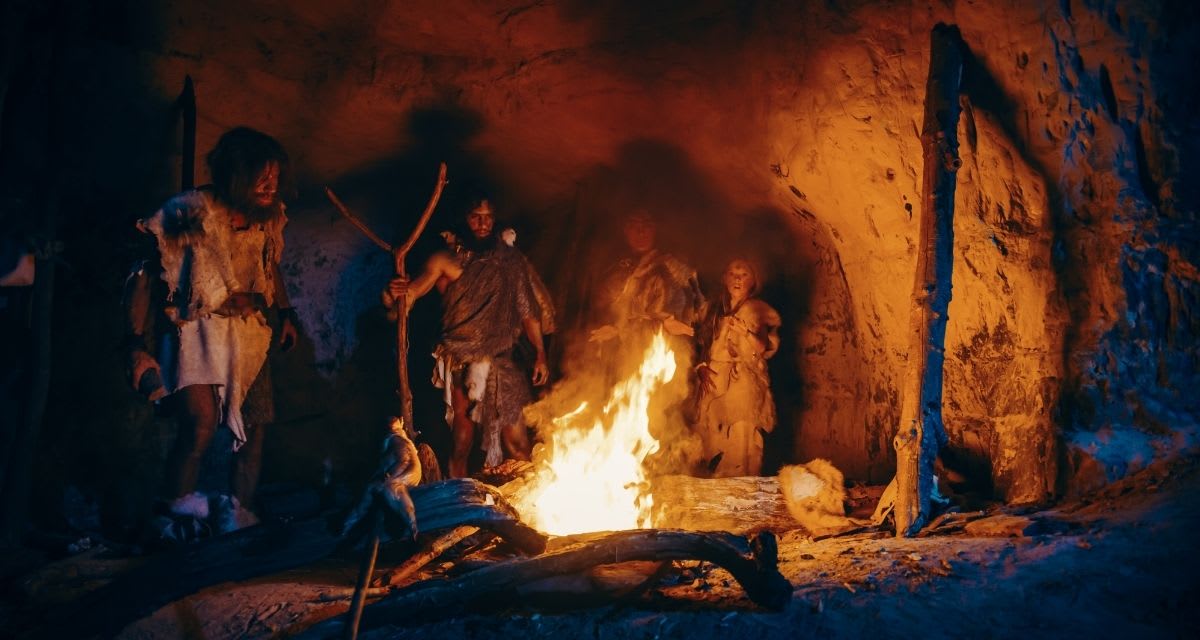
Ancient Humans Worked Just 15 Hours a Week on Survival
Global News4h ago

Ancient Humans Worked Just 15 Hours a Week on Survival

Before jobs existed, our ancestors spent only 15 to 20 hours weekly on survival tasks, leaving plenty of time for art, music, and socializing. New research reveals how prehistoric humans lived surprisingly balanced lives.

Upworthy2 min read
Ancient Humans Left Genetic Gifts in Modern DNA
InnovationMay 19

Ancient Humans Left Genetic Gifts in Modern DNA

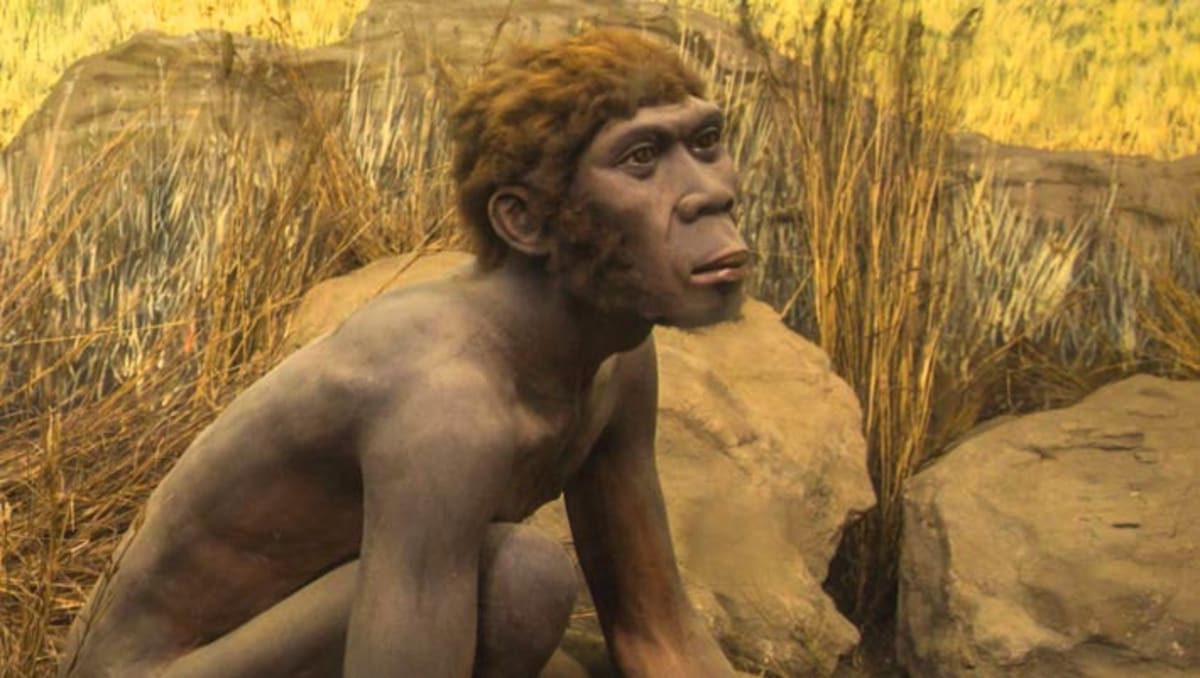
Scientists discovered that Homo erectus, once thought extinct without descendants, passed genes to people living today. Ancient tooth proteins reveal a 400,000-year-old genetic thread connecting our most distant ancestors to modern Southeast Asians.

New Atlas3 min read
Ethiopia Fossil Find Reveals Human Ancestors Lived Together
InnovationMay 16

Ethiopia Fossil Find Reveals Human Ancestors Lived Together

Scientists discovered fossils showing two different human ancestor species shared the same landscape in Ethiopia nearly 3 million years ago. The find proves human evolution wasn't a simple progression but a complex family tree with multiple relatives living side by side.

Science Daily3 min read
Scientists Find 100,000 Years of Ancient Containers
Global NewsMay 12

Scientists Find 100,000 Years of Ancient Containers

Forget weapons. The first human tool might have been something much simpler: a container to hold and carry precious things. A new database of 793 prehistoric containers is rewriting our understanding of what made early humans so successful.

New Scientist3 min read
Ancient Humans Had Flexible Meat Strategy 1.6M Years Ago
Global NewsMay 5

Ancient Humans Had Flexible Meat Strategy 1.6M Years Ago

New fossil evidence from Kenya reveals our earliest ancestors were surprisingly adaptable hunters and scavengers, mixing strategies to survive. Their flexibility might explain how humans became the most adaptable species on Earth.

Google News - Science2 min read
Social Networks, Not Smarts, Helped Humans Outlast Neanderthals
InnovationApr 29

Social Networks, Not Smarts, Helped Humans Outlast Neanderthals

New research suggests Neanderthals didn't disappear because they were less intelligent. They vanished because Homo sapiens built stronger, more flexible social networks that helped them survive when climate turned unpredictable.

Science Daily2 min read
Why Humans Thrive Anywhere: Our Adaptability Superpower
InnovationMar 21

Why Humans Thrive Anywhere: Our Adaptability Superpower

A Duke scientist's new book reveals how our bodies constantly adjust to different environments, from deep-sea diving to high altitudes. Understanding this shared human adaptability could fight dangerous health misinformation.

Live Science2 min read
🚀
InnovationMar 19

Architect Pedro Ramírez Vázquez Built Mexico's Pride

The visionary behind Estadio Azteca and Mexico's National Museum of Anthropology spent six decades transforming how millions experience their cities. As the World Cup returns to his iconic stadium, his legacy of democratic design lives on.

Mexico News Daily3 min read
MIT Class Teaches Students to Build Kinder AI Chatbots
InnovationMar 12

MIT Class Teaches Students to Build Kinder AI Chatbots

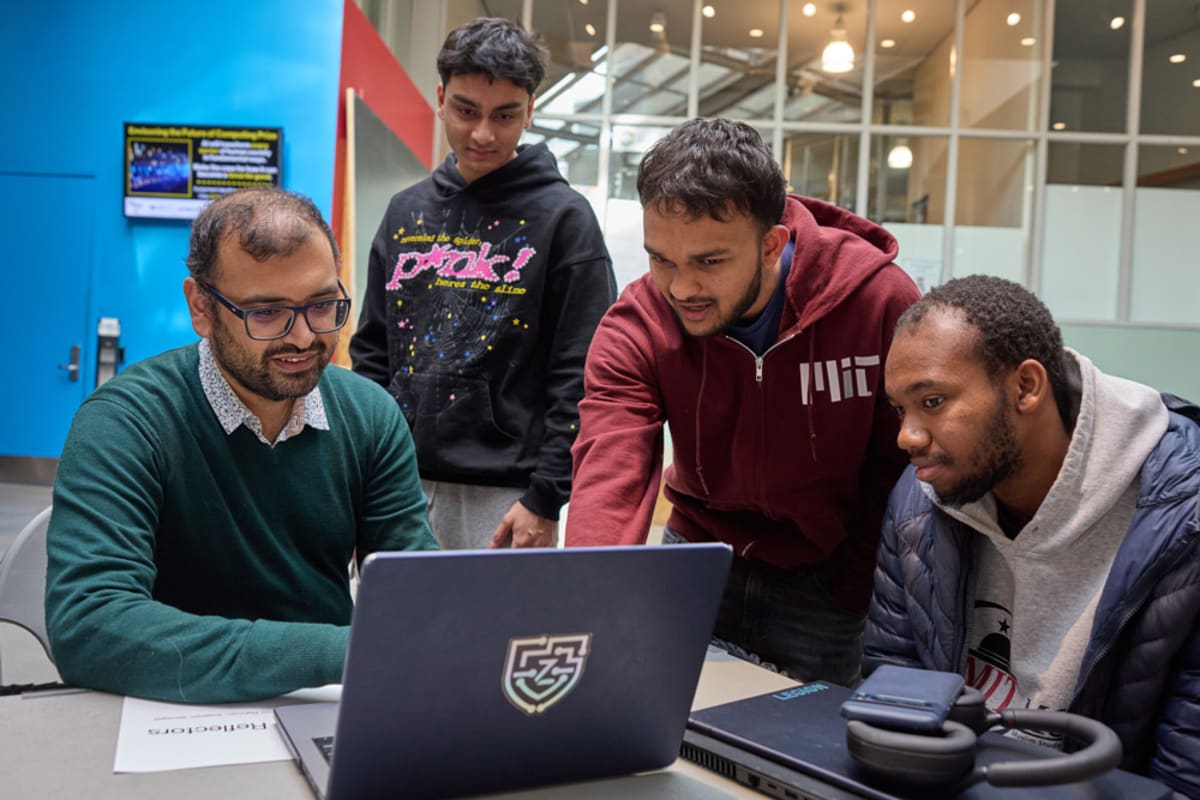
Two MIT professors created a groundbreaking class where computer science students learn to design chatbots that help young people grow socially confident instead of becoming addicted. The course combines anthropology and coding to make technology more humane.

MIT News3 min read
Ancient DNA Shows Neanderthals and Humans Built Families
Global NewsFeb 28

Ancient DNA Shows Neanderthals and Humans Built Families

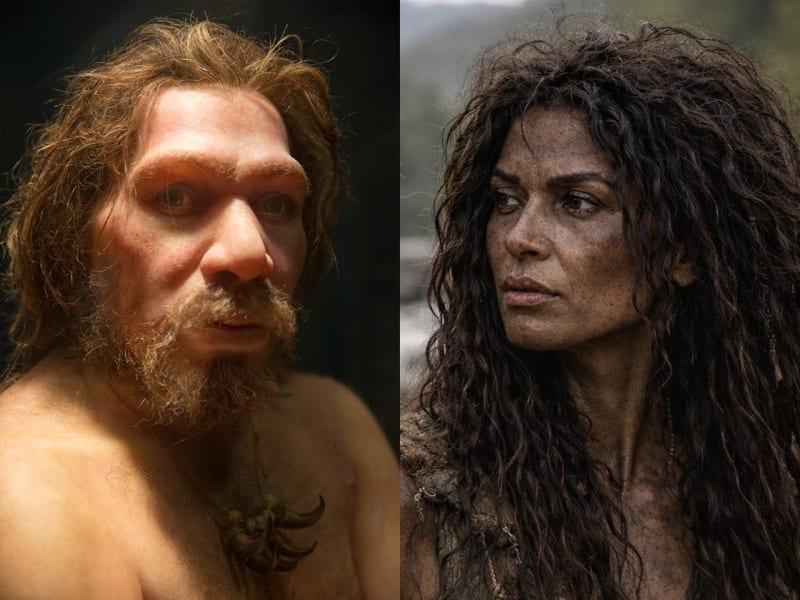
New genetic research reveals that thousands of years ago, modern humans and Neanderthals didn't just share the Earth. They built families together, and those connections still shape who we are today.

Times of India - Good News3 min read
Ancient DNA Reveals Neanderthal-Human Mating Patterns
Global NewsFeb 28

Ancient DNA Reveals Neanderthal-Human Mating Patterns

Scientists discovered that male Neanderthals and female humans formed most ancient relationships, solving a 20-year genetic mystery. The finding reveals how social choices shaped human evolution.

Google News - Science2 min read
Woman Makes Peaceful Contact With Sentinelese Tribe
VideosFeb 20

Woman Makes Peaceful Contact With Sentinelese Tribe

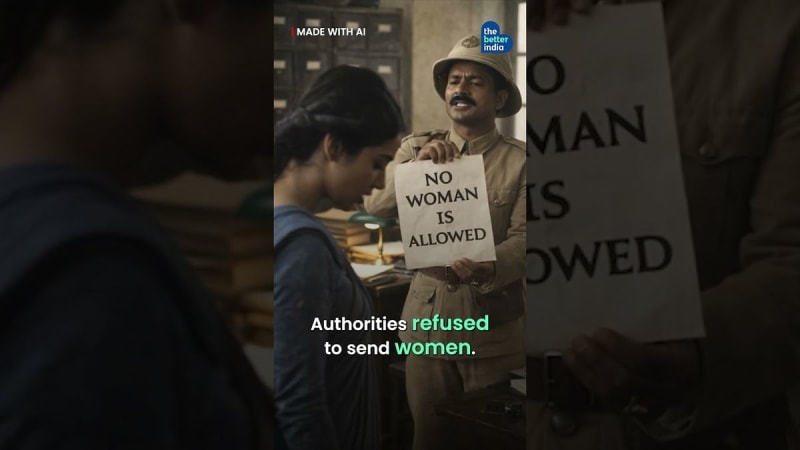
In 1991, Dr. Madhumala Chattopadhyay became the first woman to peacefully contact the Sentinelese, one of the world's most isolated tribes. Her groundbreaking approach proved respect and patience could bridge centuries of isolation.

The Better India2 min read
Scientists Finally Solve Mystery of Human Hand Evolution
Global NewsFeb 18

Scientists Finally Solve Mystery of Human Hand Evolution

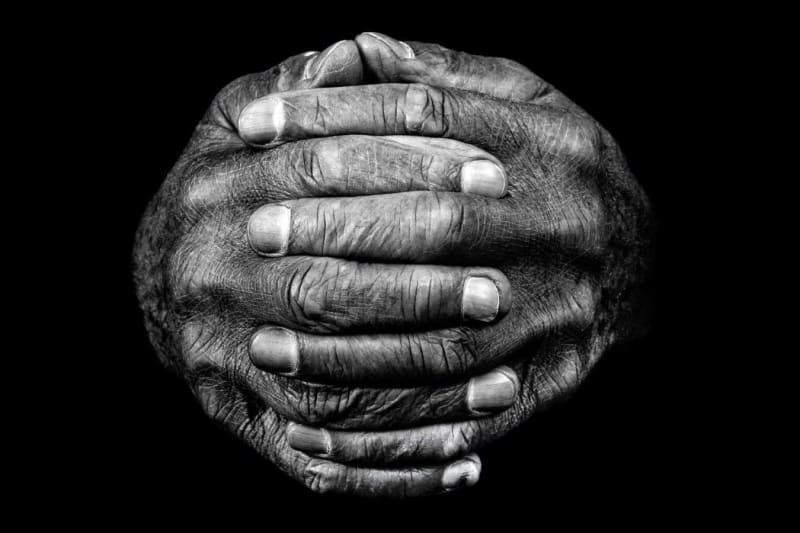
New fossil discoveries reveal how our uniquely powerful thumbs helped make us human. The evolution of our hands may be just as important as our big brains in shaping who we became.

New Scientist2 min read
773,000-Year-Old Fossils May Reveal Our Shared Ancestor
InnovationFeb 7

773,000-Year-Old Fossils May Reveal Our Shared Ancestor

Scientists have pinpointed fossils from Morocco to exactly 773,000 years ago, capturing a snapshot of humanity's common ancestor. These ancient remains show where Homo sapiens, Neanderthals, and Denisovans once shared a single family branch.

Science Daily2 min read
2.6M-Year-Old Jaw Rewrites Human Evolution Story
Global NewsJan 24

2.6M-Year-Old Jaw Rewrites Human Evolution Story

Scientists discovered a 2.6-million-year-old jaw in Ethiopia that's changing everything we thought we knew about our ancient cousins. The find proves an entire branch of the human family tree was far more adaptable than anyone imagined.

Google: fossil discovery3 min read
Scavenging Dead Animals Made Early Humans Smarter
InnovationJan 20

Scavenging Dead Animals Made Early Humans Smarter

New research reveals that eating carrion wasn't a desperate survival tactic but a brilliant strategy that shaped human evolution. Our ancestors thrived by using tools, fire, and teamwork to safely extract nutrients from animal carcasses.

Science Daily2 min read
India's First Female Anthropologist Defied Nazis in 1930s
VideosJan 20

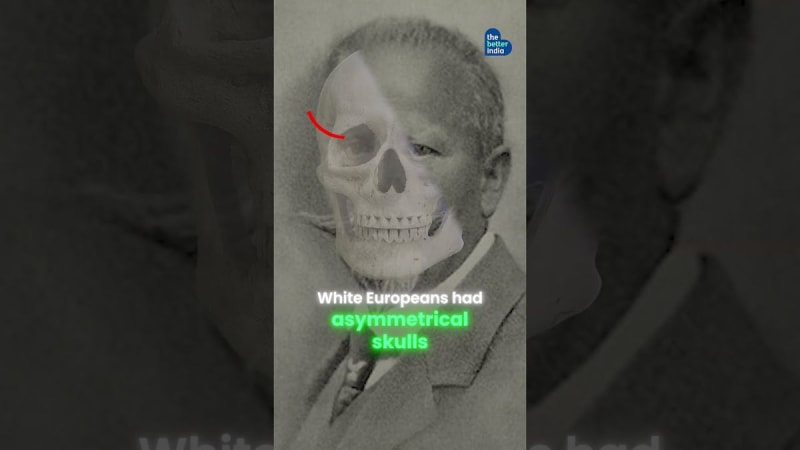
India's First Female Anthropologist Defied Nazis in 1930s

In 1930s Germany, Indian scientist Irawati Karve stood up to her Nazi professor who demanded she prove racial superiority theories. She chose scientific truth over propaganda, revolutionizing anthropology in India despite career penalties.
The Better India2 min read