Ancient Humans Worked Just 15 Hours a Week on Survival
Before jobs existed, our ancestors spent only 15 to 20 hours weekly on survival tasks, leaving plenty of time for art, music, and socializing. New research reveals how prehistoric humans lived surprisingly balanced lives.
Imagine spending just 15 hours a week on work and the rest of your time making art, playing music, and hanging out with friends. That was daily life for humans before jobs were invented.
Anthropologists studying pre-agricultural peoples across different continents found that basic survival activities took only 15 to 20 hours per week. Compare that to modern humans, who spend roughly 90,000 hours of their lives working, about a third of our waking existence.
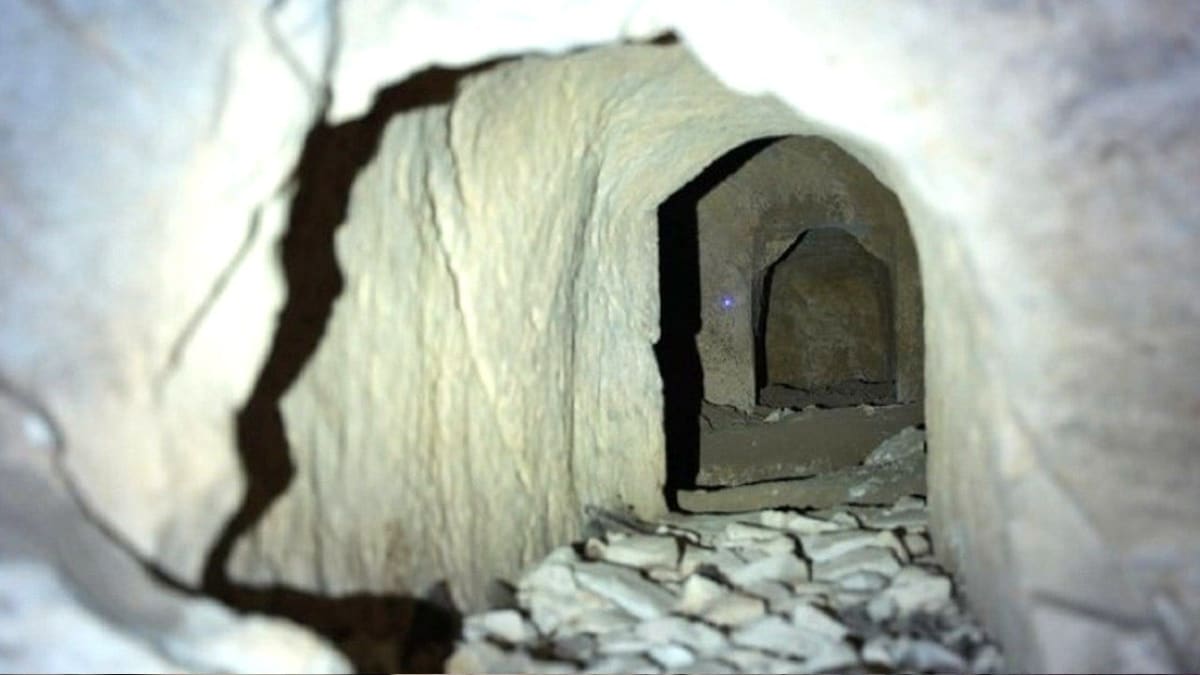
The discovery of Chauvet Cave in southern France revealed paintings created 30,000 years ago showing horses, lions, and rhinoceroses with sophisticated shading and perspective. Someone spent days deep inside a cave by firelight creating art, not for survival, but for beauty and meaning.
In South Africa's Blombos Cave, archaeologists found 100,000-year-old perforated shell beads for jewelry. Someone walked 40 kilometers round trip just to collect shells, then spent hours drilling tiny holes with stone tools just to look good.
A 40,000-year-old flute carved from vulture bone in Germany shows five perfectly spaced finger holes. Whoever made this understood music theory and spent significant time crafting it, not for hunting or defense, but purely for enjoyment.
A typical day started around dawn with leftover meat or berries and social breakfast conversations. Hunting didn't happen daily, and when it did, small groups used persistence hunting, tracking animals for hours until they overheated and collapsed.
After returning with food, the work day was basically done. Afternoons and evenings were for rest, socializing, arts and crafts, and leisure activities.
Why This Inspires
The way ancient humans spent their time reveals something powerful about human nature. We're not designed to grind constantly. We're built for creativity, connection, and community.
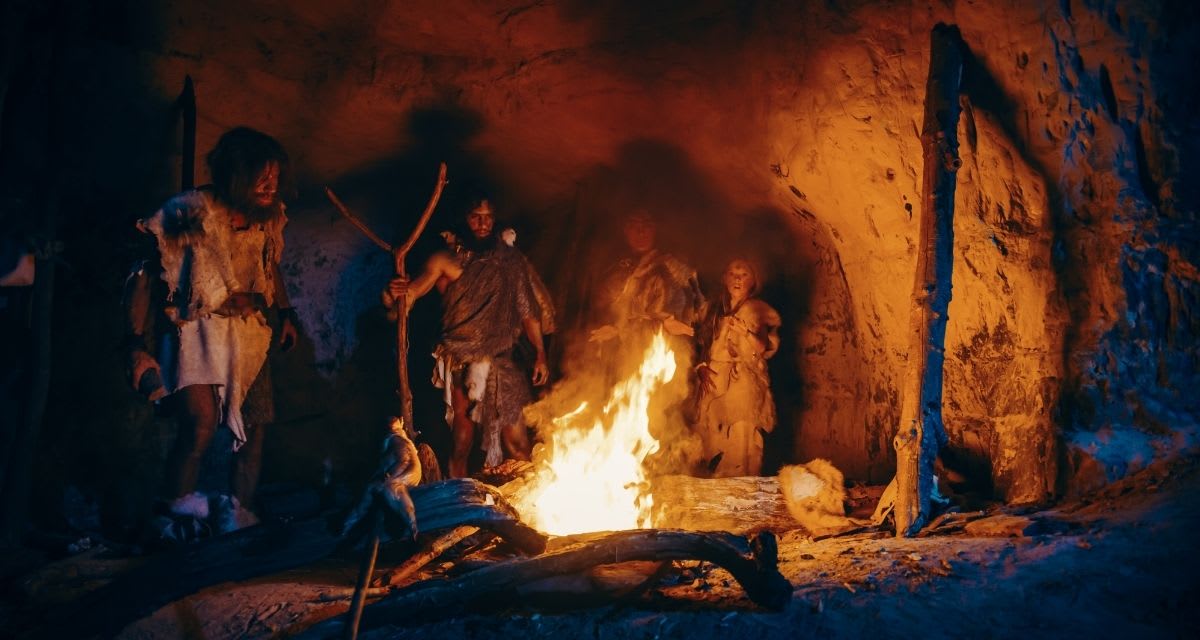
Around evening fires, people laughed, joked, and told stories that became myths and legends. These conversations built culture and strengthened the relationships that ensured survival in a world without money or written contracts.
Even sleep looked different, with humans naturally sleeping in two four-hour phases separated by an hour or two of quiet wakefulness. No one was checking email or scrolling through feeds during those peaceful midnight hours.
Life wasn't easier back then, with real dangers from wild animals, infections, and the elements. But our ancestors understood something we're rediscovering today: time for art, music, relationships, and rest isn't wasted time, it's what makes us human.
More Images


Based on reporting by Upworthy
This story was written by BrightWire based on verified news reports.
Spread the positivity!
Share this good news with someone who needs it