Humans and Neanderthals Shared Culture for 20,000 Years
A cave in Turkey reveals that early humans and Neanderthals didn't just coexist—they shared tools, traditions, and even fashion sense for thousands of years. Decorative seashells tell a surprising story of connection between two species.
Scientists digging into an ancient cave in Turkey just discovered something remarkable: our ancestors and Neanderthals weren't distant cousins who occasionally bumped into each other, but neighbors who shared ideas, tools, and even jewelry preferences for up to 20,000 years.
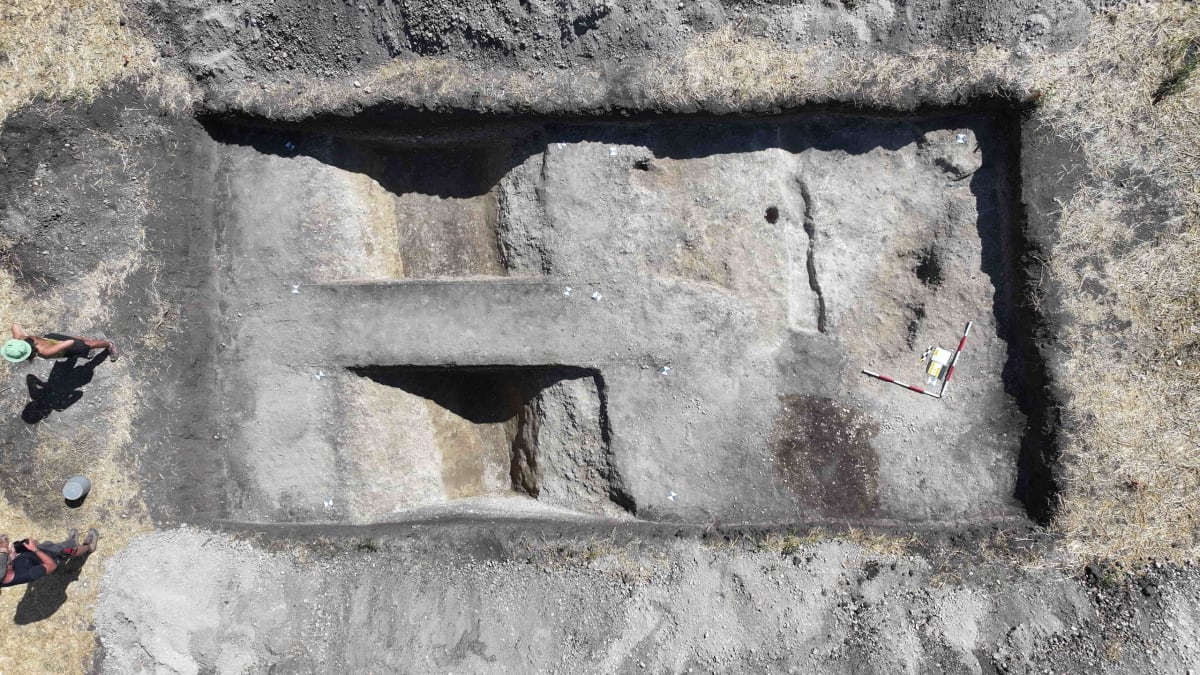
The breakthrough came from Üçağızlı II Cave in northern Turkey, where researchers from Turkey, France, and Japan have been carefully excavating layers of sediment that act like pages in a history book. What they found challenges everything we thought about these two groups.
Starting around 77,000 years ago, Neanderthals called this cave home. By 59,000 years ago, modern humans had moved in. But here's the fascinating part: even as the residents changed, their lifestyle stayed remarkably similar.
Both groups used the same types of stone tools, hunted the same animals like deer and wild boar, and collected identical decorative seashells. These weren't random similarities.
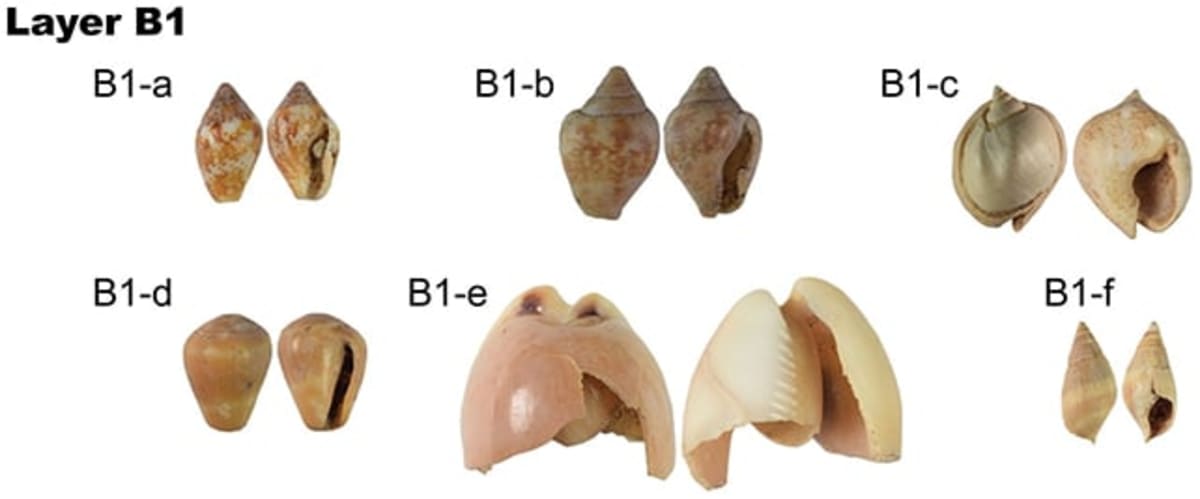
The real showstopper? Tiny Columbella rustica snail shells that had no value as food. These shells were purely decorative, and scientists had only ever associated them with modern humans before. Finding them in Neanderthal layers suggests these groups were directly sharing cultural traditions.
"These two distinct but closely related human groups were not just adapting to the same environment: they were probably sharing symbolic preferences," says anthropologist Naoki Morimoto from Kyoto University. Think of it like finding the same fashion trend spreading across neighboring towns.
The researchers used optically stimulated luminescence to date the finds, a technique that reveals when sediment grains last saw sunlight. This gave them a clear timeline of who lived when and what they left behind.
While the teams didn't find Neanderthal and human remains in the exact same layer, the matching tools, hunting practices, and ornamental choices point to regular contact and knowledge sharing. They were living parallel lives in the same region, influencing each other's cultures.
Why This Inspires
This discovery reminds us that connection and cultural exchange have always been part of the human story. Even tens of thousands of years ago, different groups found common ground through shared creativity and tradition.
The Levant region where this cave sits served as a crucial corridor for early humans spreading from Africa to Eurasia. Yet fossil findings here have been surprisingly rare, making this discovery even more valuable for understanding our ancient past.
Other studies have been building this picture too, showing that Neanderthals and modern humans interacted far more than scientists once believed. We already know they interbred, evidenced by Neanderthal DNA still present in most people today.
This research suggests the relationship went deeper than just genetics. These groups were exchanging ideas, learning from each other, and perhaps even living side by side peacefully for thousands of years before Neanderthals eventually disappeared.
Our shared history is richer and more connected than we imagined.
More Images


Based on reporting by Google News - Science
This story was written by BrightWire based on verified news reports.
Spread the positivity!
Share this good news with someone who needs it