Scientists Find 24 Planets Using New Star-Tracking Method
Astronomers discovered a faster way to find alien worlds by tracking specific light signals from stars. The breakthrough method has already uncovered seven new planets and could reveal hundreds more.
Scientists just cracked a shortcut for finding planets outside our solar system, and it's already paying off with fresh discoveries.
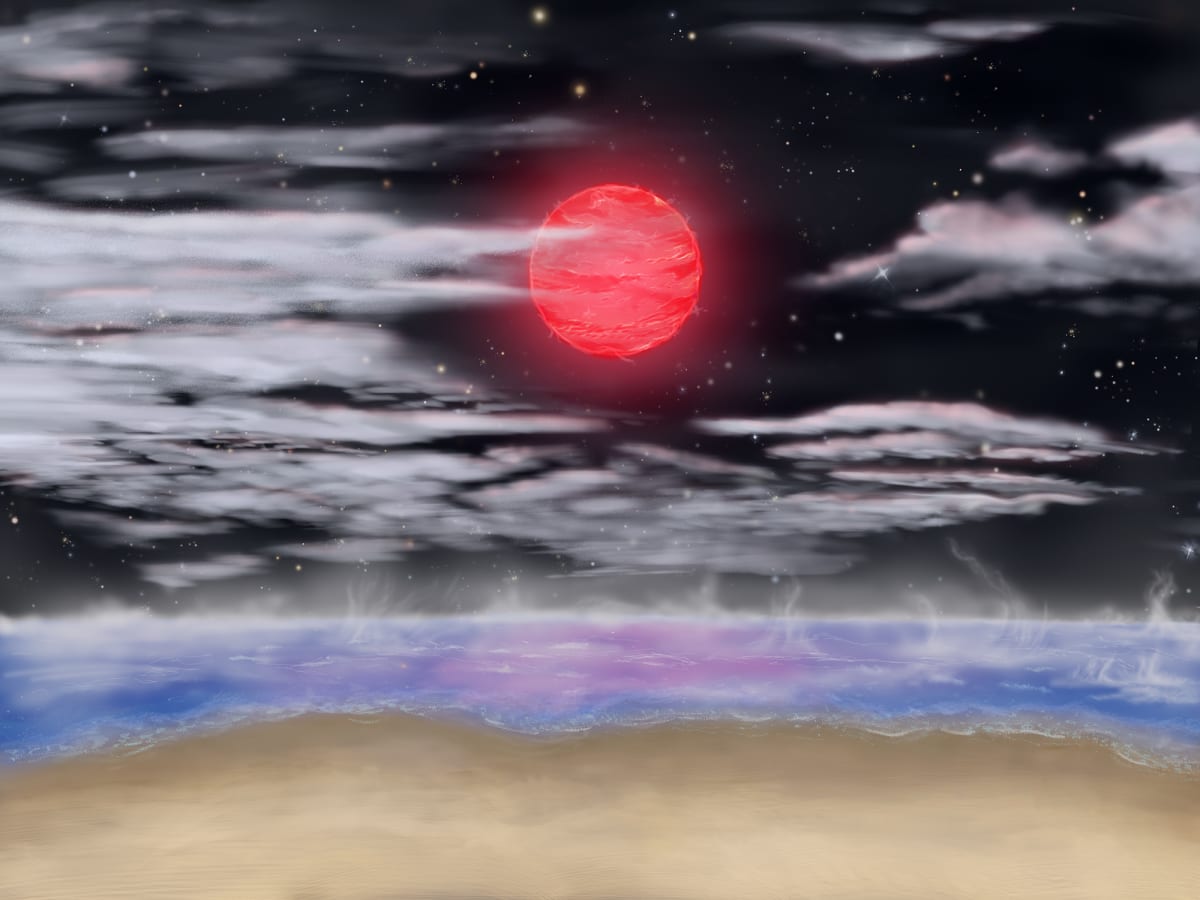
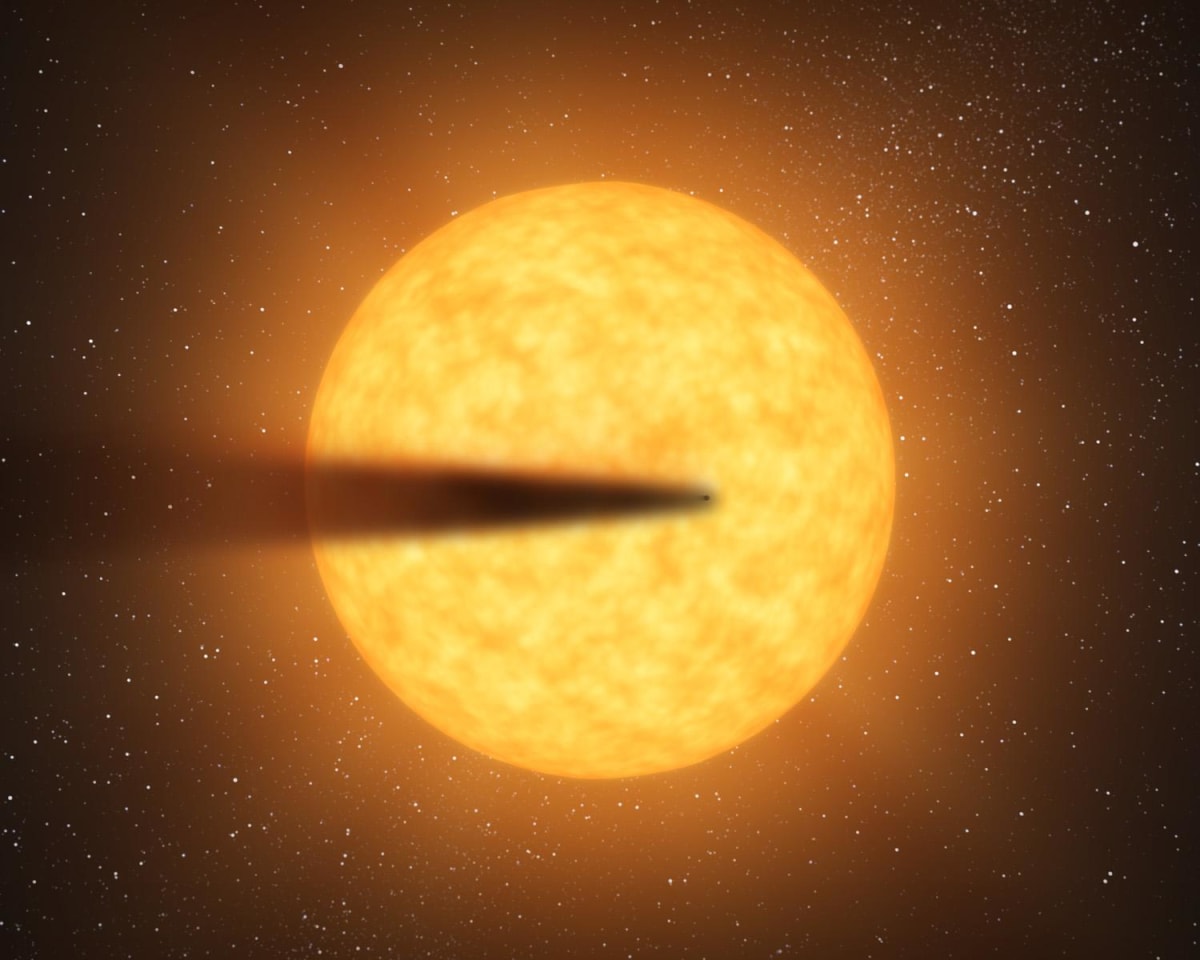
An international research team led by Matthew Standing from the European Space Agency found a clever pattern hiding in starlight. When planets orbit extremely close to their stars, intense radiation tears material from their surfaces, creating clouds of gas and debris that absorb specific wavelengths of light. These absorption patterns make stars appear magnetically quieter than they actually are.
Standing and his team tested this discovery by studying 24 stars with unusually low magnetic activity. They watched each star for up to two weeks, collecting visible light spectra using telescopes in Chile. When a planet orbits a star, its gravity causes the star to wobble slightly, and these wobbles show up in the light patterns.
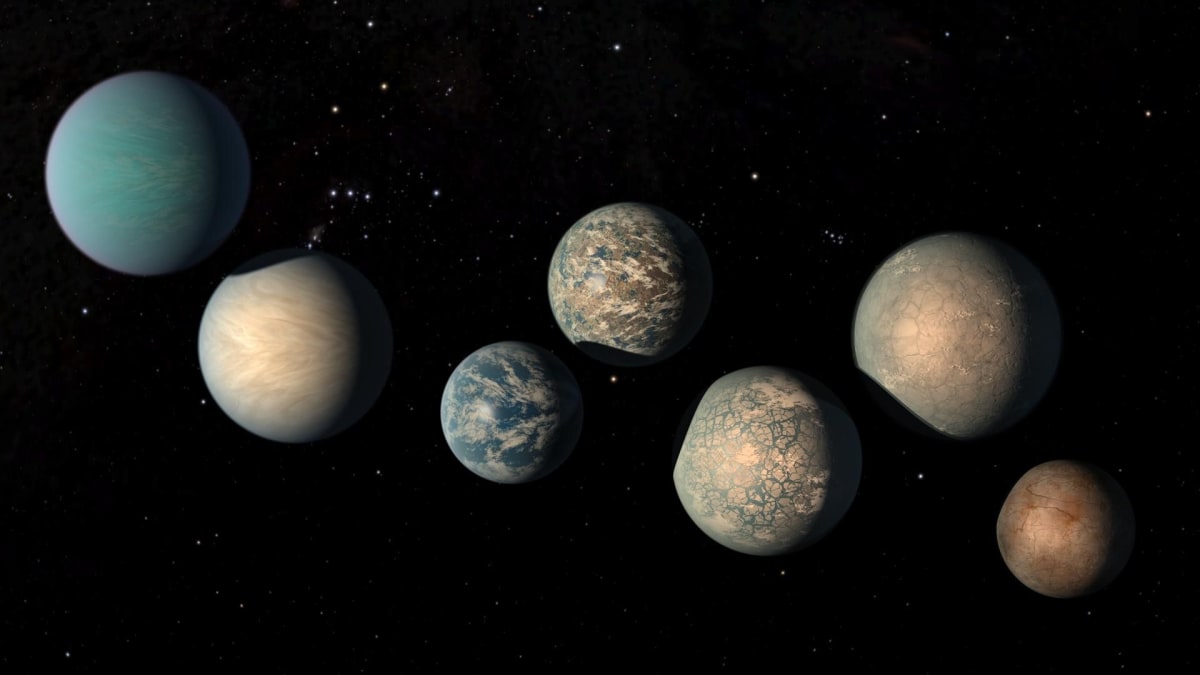
The results surprised even the researchers. They found 24 planets around 14 of these stars, including seven completely new worlds. The success rate was eight to 10 times higher than typical planet-hunting surveys.
Their method proved remarkably thorough. The team identified nearly 95% of planets more than 10 times Earth's mass that orbit their stars in five days or less. That precision gives astronomers confidence they're onto something special.
The research team then expanded their search outward. They created a list of roughly 16,000 nearby stars within 1,600 light years of our solar system that match the same magnetic activity profile. Each one could potentially host undiscovered planets.
Why This Inspires
Before this breakthrough, searching for exoplanets meant pointing telescopes somewhat randomly at stars and hoping to spot wobbles or dimming. This new method gives scientists a road map, turning cosmic hide-and-seek into targeted exploration.
The technique won't help us find Earth's twin anytime soon. Planets this close to their stars get blasted with too much radiation to support life as we know it. But every discovery teaches us more about how planetary systems form and evolve throughout the universe.
Since the first exoplanet discovery in 1995, scientists have confirmed more than 6,000 worlds beyond our solar system. This new method could add hundreds more to that growing catalog.
The research appeared in Monthly Notices of the Royal Astronomical Society in February, opening a faster lane in humanity's quest to map the cosmos and understand our place in it.
More Images


Based on reporting by Live Science
This story was written by BrightWire based on verified news reports.
Spread the positivity!
Share this good news with someone who needs it