Scientists Find 450 Whale Skeletons Across 750 Miles of Ocean
Chinese researchers discovered nearly 500 whale skeletons spanning five million years of history in the Indian Ocean. The underwater "graveyard" could unlock secrets about ancient ocean life and help protect today's deep-sea ecosystems.
Imagine stumbling upon the ocean's version of the La Brea Tar Pits, except this one stretches for 750 miles and tells five million years of whale history.
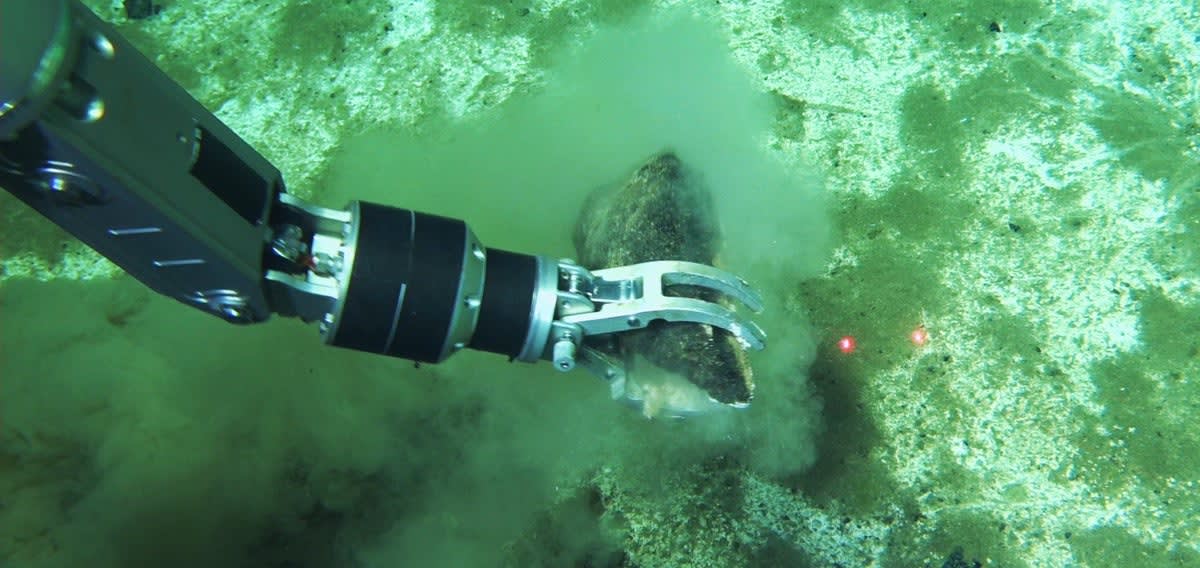
Chinese scientists diving 23,000 feet below the Indian Ocean surface found exactly that. Their submersible discovered the largest whale graveyard ever documented, with nearly 500 skeletons collected naturally along the Diamantina Fracture Zone.
The site sits along an ancient rift valley where Australia split from Antarctica 50 million years ago. Over 30 dives in early 2023, researchers found whale remains at nearly every location they explored.
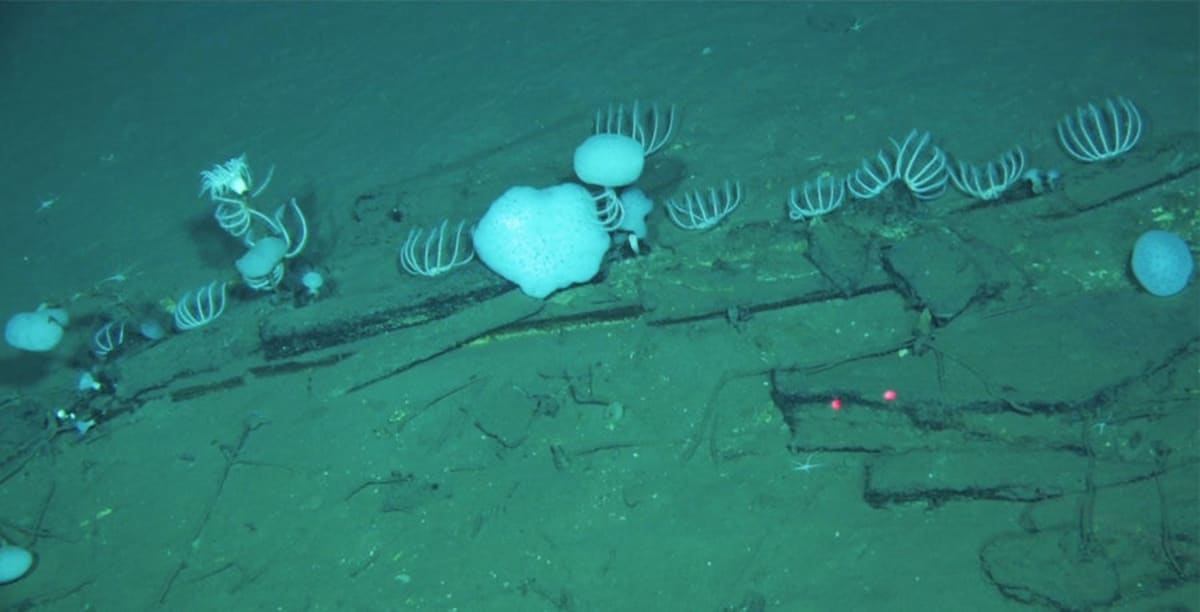
Five of the skeletons were fresh enough to host thriving "whale fall" ecosystems. These temporary underwater oases support shifting communities of scavengers and specialized microbes that feast on the massive carcasses.
The research team observed bone-eating worms, squat lobsters, spoon worms, and jellyfish. Some of these creatures may be species never before described by science.
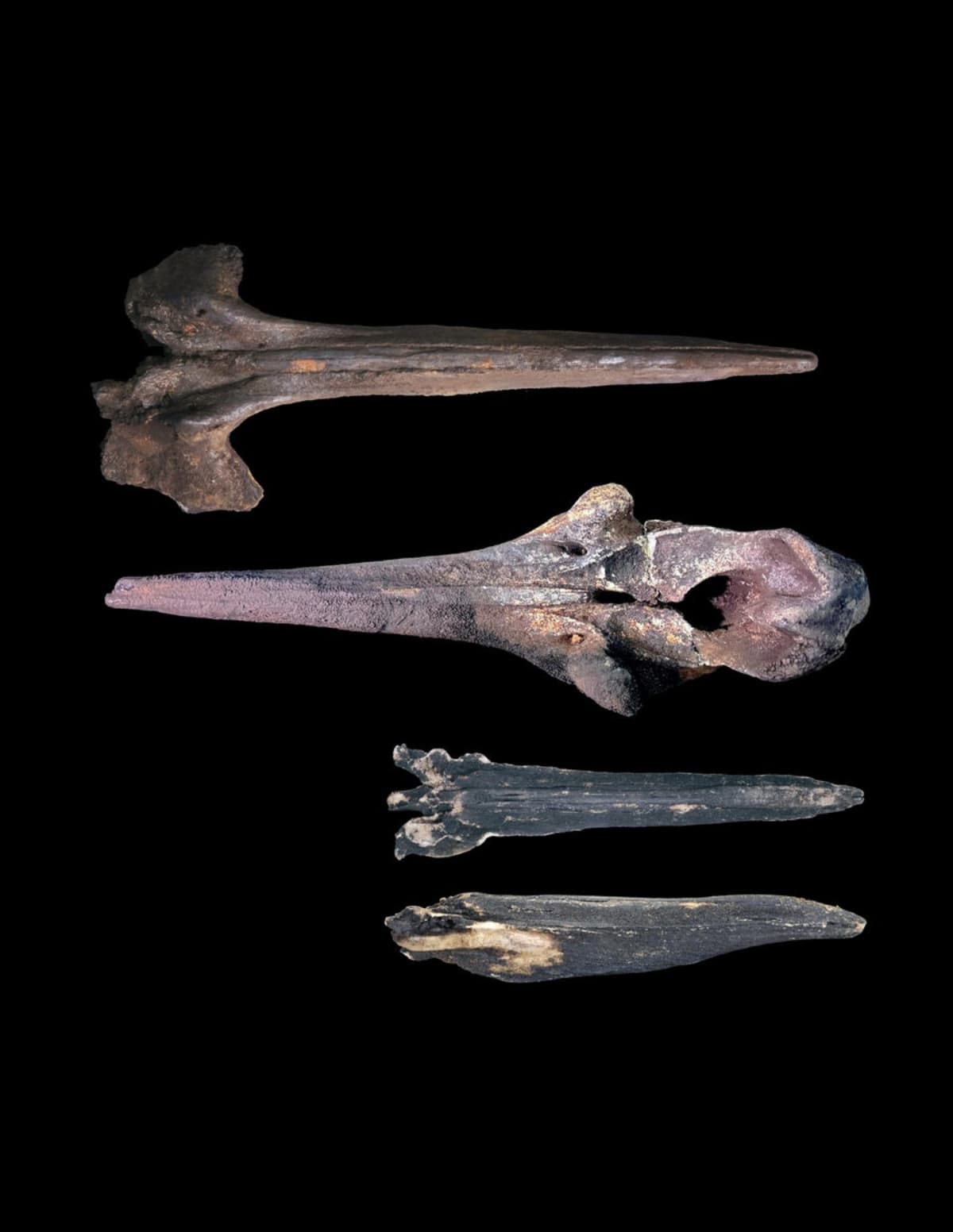
The real treasure lies in the hundreds of fossilized skeletons. Because sediment accumulates so slowly at these depths, the bones remain exposed for millennia after microbes and scavengers finish their work.
Researchers collected 33 fossil samples ranging from 120,000 to 5.26 million years old. That stunning timeline gives scientists a rare window into how whales evolved and where they've traveled over geological time.
Why This Inspires
Nick Pyenson, a Smithsonian paleontologist, believes this discovery proves similar sites likely exist along ancient whale migration routes. The find demonstrates that whales have followed consistent "superhighways" through the ocean for millions of years.
Understanding these patterns could help protect the deep-sea environments whales depend on today. What started as one fossil sighting has become a roadmap for preserving ocean ecosystems we barely understand.
The discovery shows that our planet still holds profound secrets waiting in the deep, and every new find helps us become better stewards of the oceans.
More Images
Based on reporting by Scientific American
This story was written by BrightWire based on verified news reports.
Spread the positivity!
Share this good news with someone who needs it