Scientists Find 66-Foot Tree Related to Tomatoes
Researchers have identified a mysterious 66-foot tree in the Andes as a new genus that's closely related to everyday vegetables like tomatoes and potatoes. The discovery fills a crucial gap in understanding how plants evolved over millions of years.
For over 20 years, a towering mystery grew in the cloud forests of the Andes, puzzling botanists who couldn't figure out where it belonged in the plant family tree.
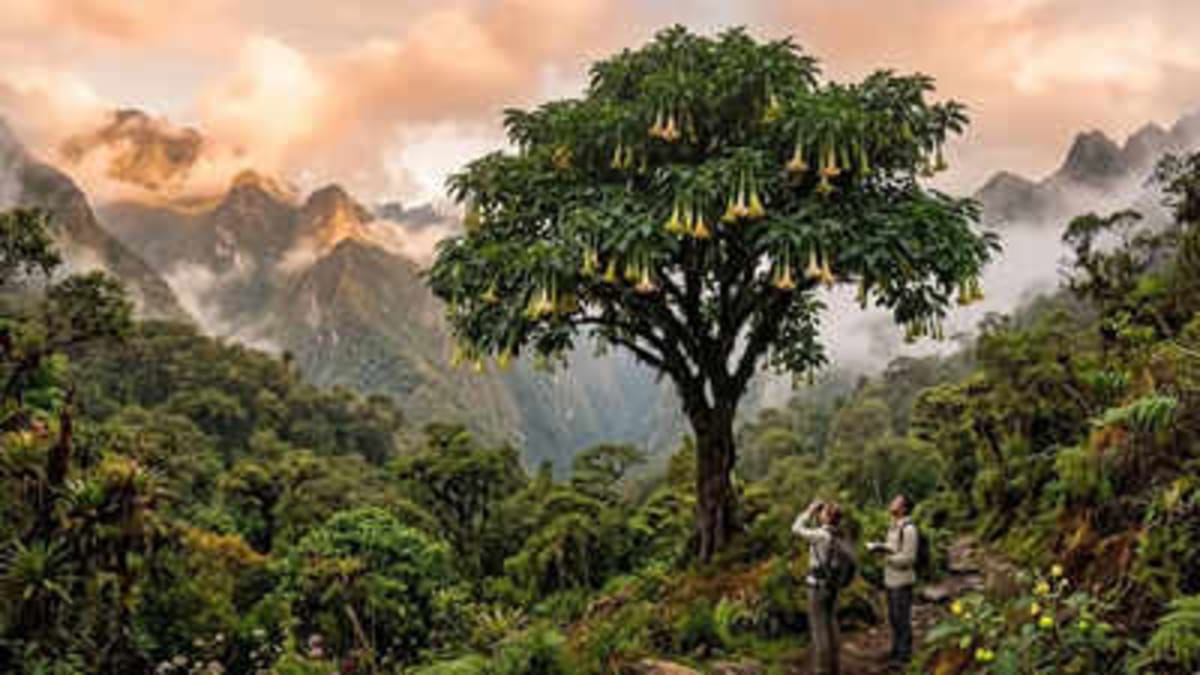
Scientists at the University of Cartagena and Royal Botanic Gardens have finally solved the puzzle. The 66-foot giant they've named Daturodendron is actually a close cousin of tomatoes, potatoes, and eggplants, all members of the nightshade family.
The connection seems unlikely at first. Your backyard tomato plant might reach a few feet tall, while these Andean trees tower 20 meters into the sky with hanging flowers and woody trunks that look nothing like garden vegetables.
Researchers analyzed nearly 300 genes using advanced DNA sequencing technology to crack the case. Their work revealed that Daturodendron represents an ancient lineage, acting as a living bridge between modern nightshades and their distant ancestors.
The trees only grow in high-altitude regions of Colombia and Peru. Over millions of years, they've developed unique chemical defenses including compounds like scopolamine and hyoscyamine, powerful substances also found in medicinal plants.
Why This Inspires
This discovery shows us that nature still holds countless secrets waiting to be uncovered, even among plants we thought we knew well. The genetic code locked inside these rare trees helps scientists understand how simple berries evolved into the diverse fruits and vegetables we depend on today.
The research also highlights why protecting remote ecosystems matters. These cloud forests harbor not just impressive trees, but living libraries of genetic information that could unlock future breakthroughs in medicine, agriculture, and conservation.
Scientists are now working to ensure these unique habitats receive protection. Each preserved forest means we keep more chapters of Earth's evolutionary story intact for future generations to study and learn from.
Sometimes the most extraordinary discoveries are the ones that connect us back to the ordinary things we see every day, reminding us that everything in nature shares a common thread.
More Images



Based on reporting by Google News - Scientists Discover
This story was written by BrightWire based on verified news reports.
Spread the positivity!
Share this good news with someone who needs it