Scientists Find 70+ New Species on Remote Angola Plateau
A scientific expedition to Angola's isolated Lisima plateau discovered more than 70 previously unknown species, including a fluorescent spider and armored crickets that squirt defensive fluid. The biodiversity hotspot feeds four of Africa's major rivers but faces threats from deforestation and mining.
Scientists exploring one of Africa's most remote regions just added dozens of new species to the tree of life, and some of them look like they belong in a sci-fi movie.
The Wilderness Project expedition to Angola's Lisima plateau in February uncovered approximately 70 previously unknown species. Among them: eight dragonfly species, three grasshopper species, and about 60 butterfly and moth species thriving in isolation atop the remote plateau.
The most striking discoveries include a crowned crab spider that glows under ultraviolet light and an armored, predatory cricket equipped with a unique defense mechanism. Expedition leader Rob Taylor described these "very fierce-looking" crickets as capable of squirting fluid at attackers to ward them off.
Scientists also identified a blood orange-hued ladybird orb-web spider that mimics actual ladybirds through bright coloration. The spider uses this copycat strategy to signal to predators that it's bitter or toxic, even though it lacks the same defenses as true ladybirds.
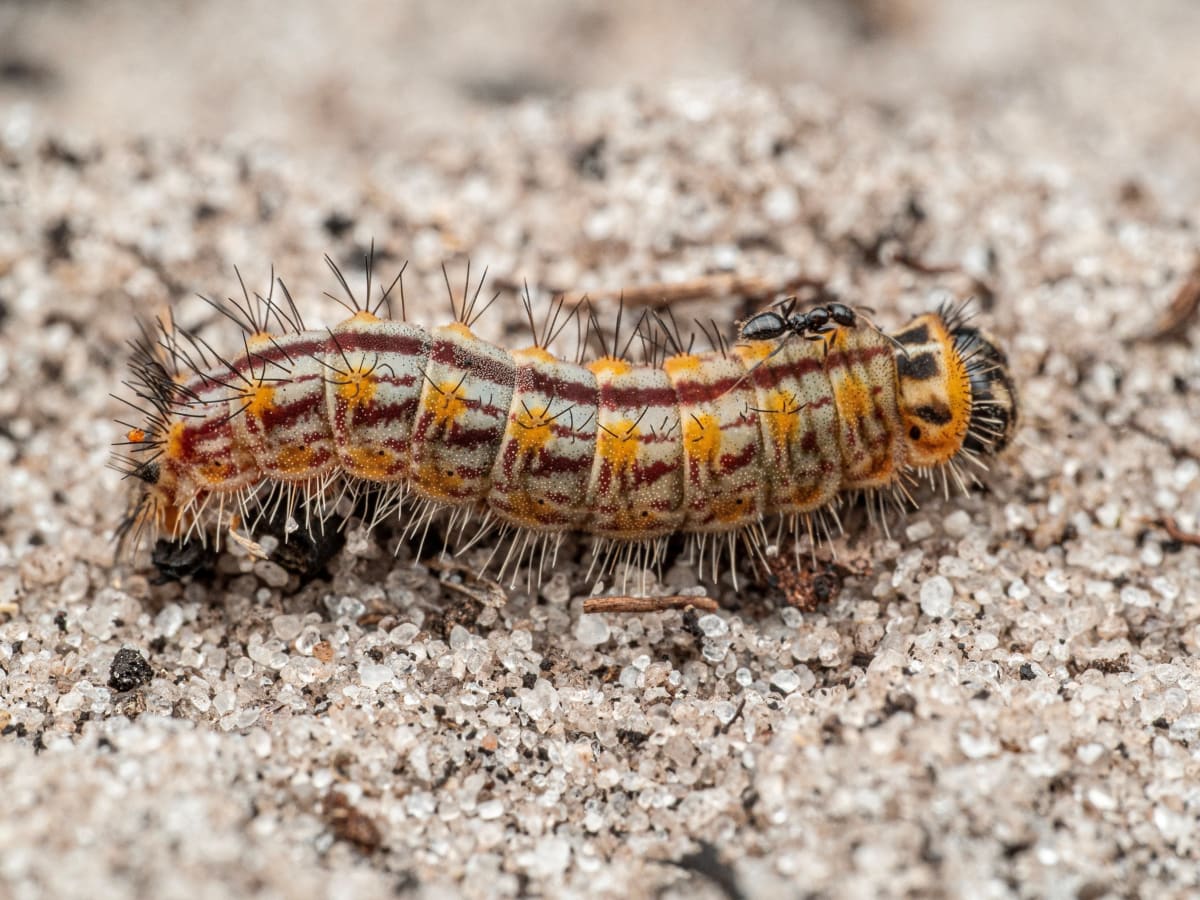
The team documented a copper-colored caterpillar and its adult butterfly form, both previously undescribed by science. Each discovery helps fill gaps in our understanding of how ecosystems function in isolated environments.
Why This Inspires
The Lisima plateau represents more than just a collection of cool-looking insects. This biodiversity hotspot feeds four of Africa's major rivers: the Congo, Okavango, Zambezi, and Cuanza, making it ecologically vital to the entire continent.
These discoveries arrive as scientists race against time to document species before they disappear. Of Earth's estimated 8.7 million species, only 1.5 million have been identified so far, and about one million face extinction threats.
The expedition highlights how much we still have to learn about our planet. Every newly discovered species offers potential insights into evolution, ecosystem balance, and even practical applications like new medicines or materials.
However, the plateau faces immediate dangers from tree-felling, deforestation, artisanal diamond mining, and slash-and-burn agriculture. Taylor warned these practices threaten the region's unique wildlife before scientists can fully document what lives there.
The researchers' work demonstrates that protecting remote wilderness areas pays dividends in scientific knowledge and ecological health for entire continents.
More Images


Based on reporting by Google News - Scientists Discover
This story was written by BrightWire based on verified news reports.
Spread the positivity!
Share this good news with someone who needs it