Scientists Find 750-Mile Whale Graveyard in Indian Ocean
Researchers discovered the largest whale graveyard ever found, stretching 750 miles across the Indian Ocean floor with fossils dating back over 5 million years. The remarkable find is helping scientists understand whale ecology across millions of years while revealing dozens of potentially new species.
Deep beneath the Indian Ocean, scientists have uncovered something extraordinary: a 750-mile-long whale graveyard that's rewriting what we know about ocean life across millions of years.
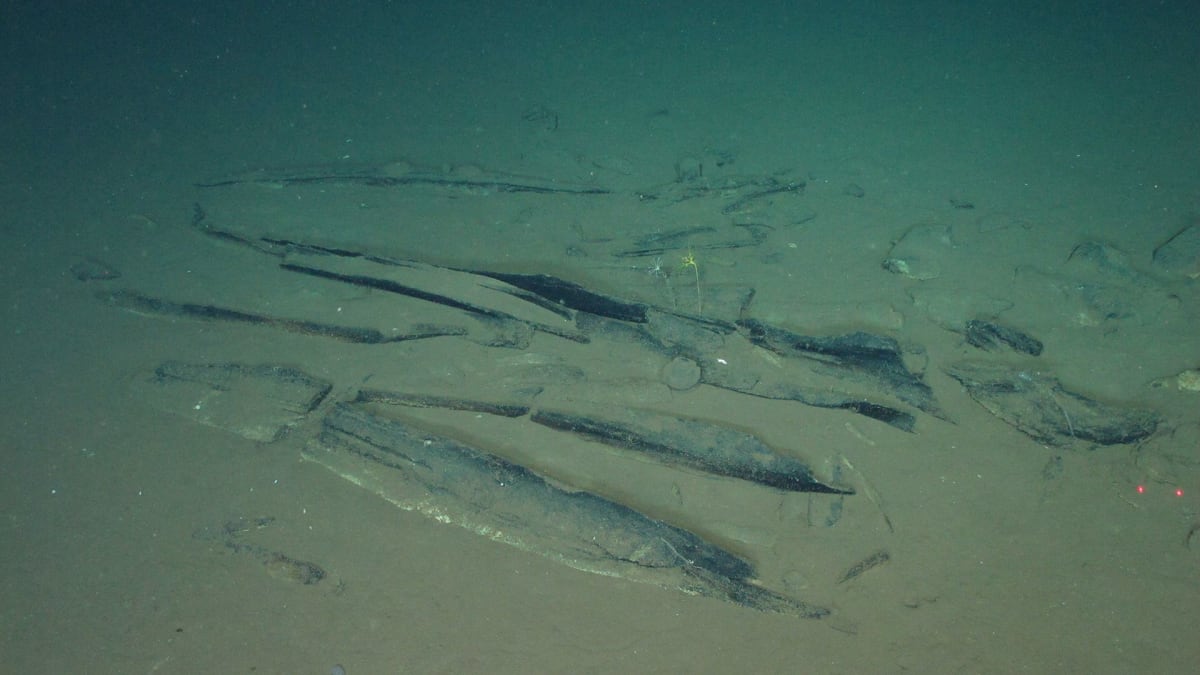
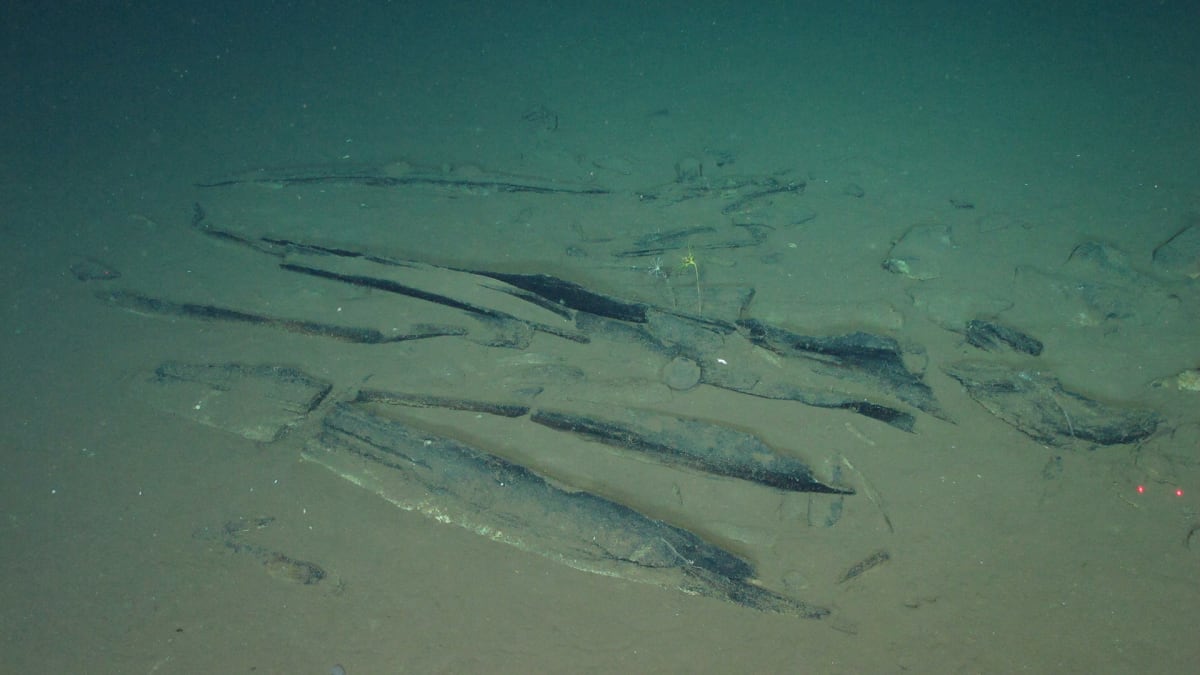
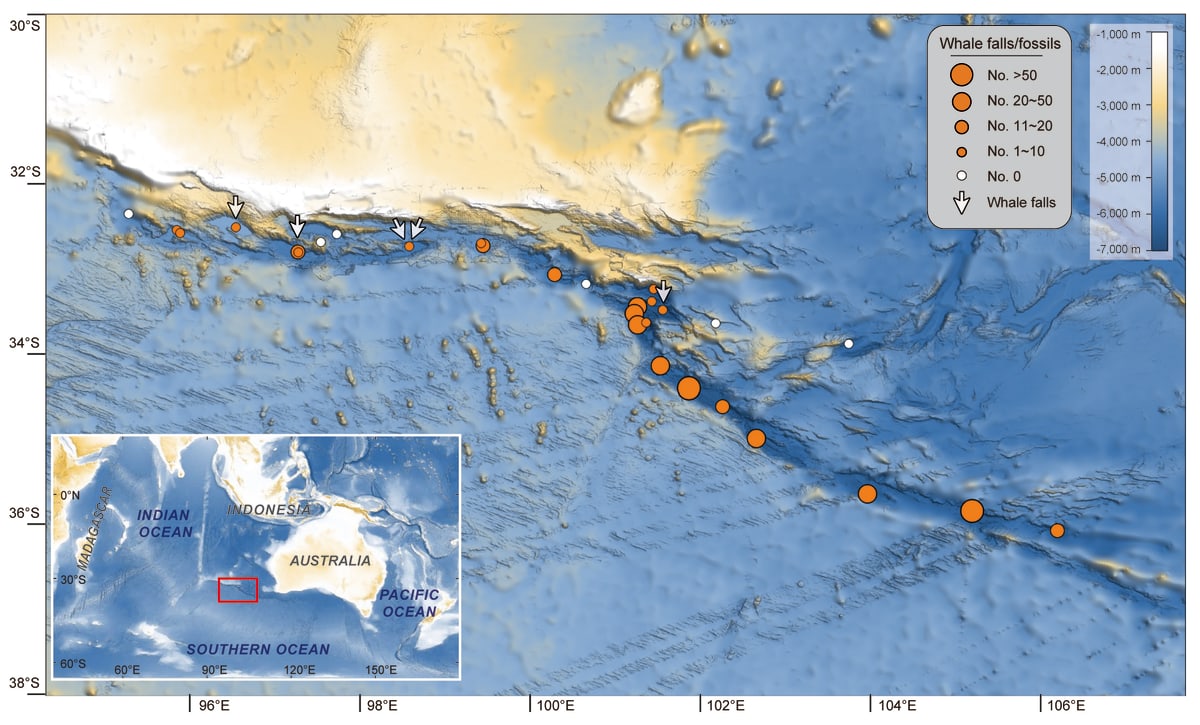
Chinese researchers using the Fendouzhe submersible discovered the massive site, which they named the Diamantina Zone necropolis. During 32 dives covering just a quarter square mile, they found 476 whale fossils and five recent whale carcasses resting at depths up to 23,000 feet below the surface.
The numbers are staggering. Scientists estimate there could be about 750 fossils per square kilometer across the entire zone. Some of these ancient whale remains date back 5.3 million years to the Early Pliocene period.
"It covers over 1,200 kilometers, which just defies belief," said Nick Pyenson, a curator at the Smithsonian National Museum of Natural History who wasn't involved in the study. The team called it a "megasite," and experts agree the name fits perfectly.
Most of the fossils belong to beaked whales, mysterious ocean dwellers we rarely see because they spend most of their time diving in deep waters. The oldest fossil comes from an extinct beaked whale species, and researchers even discovered a completely new species they named Pterocetus diamantina.
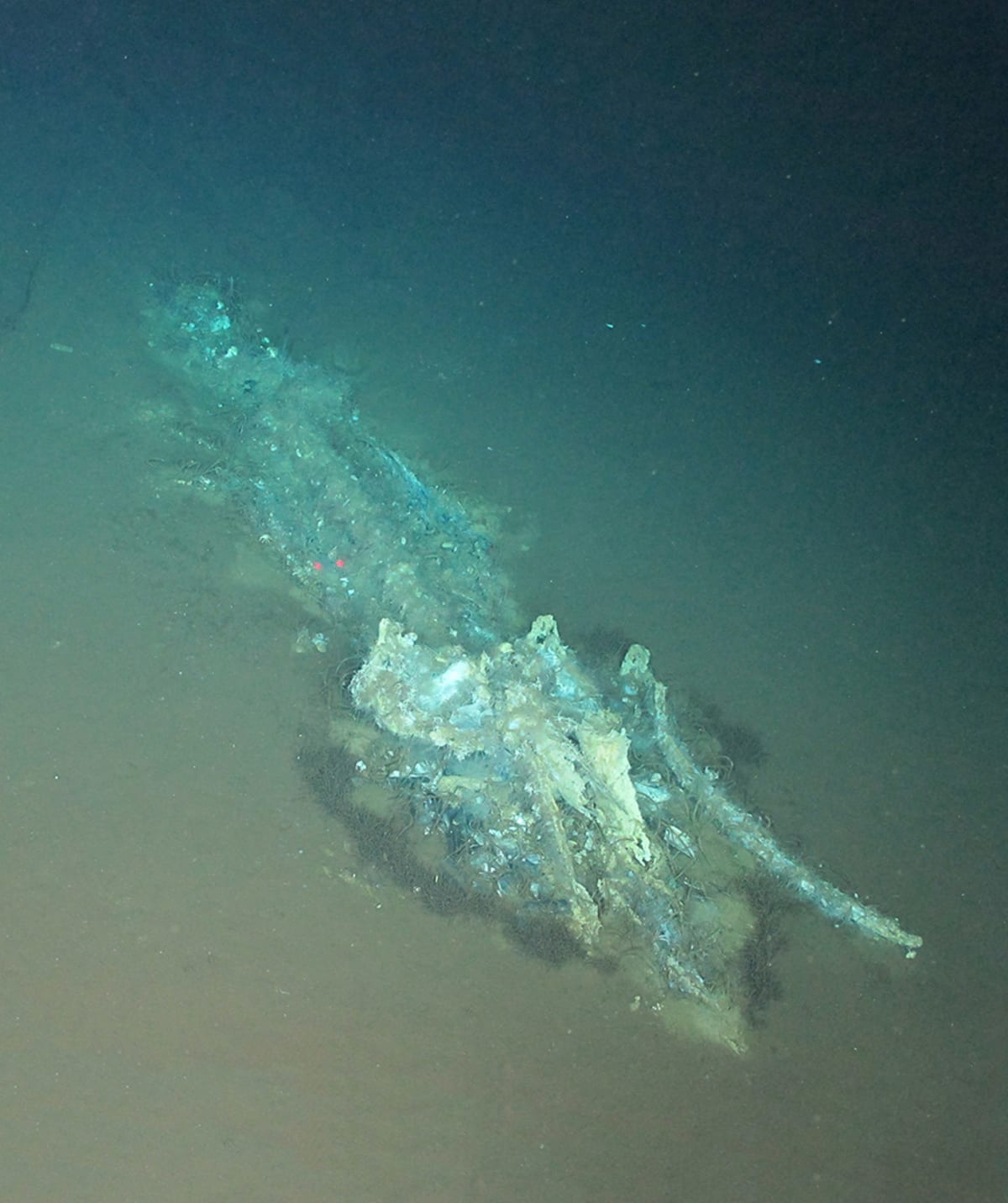
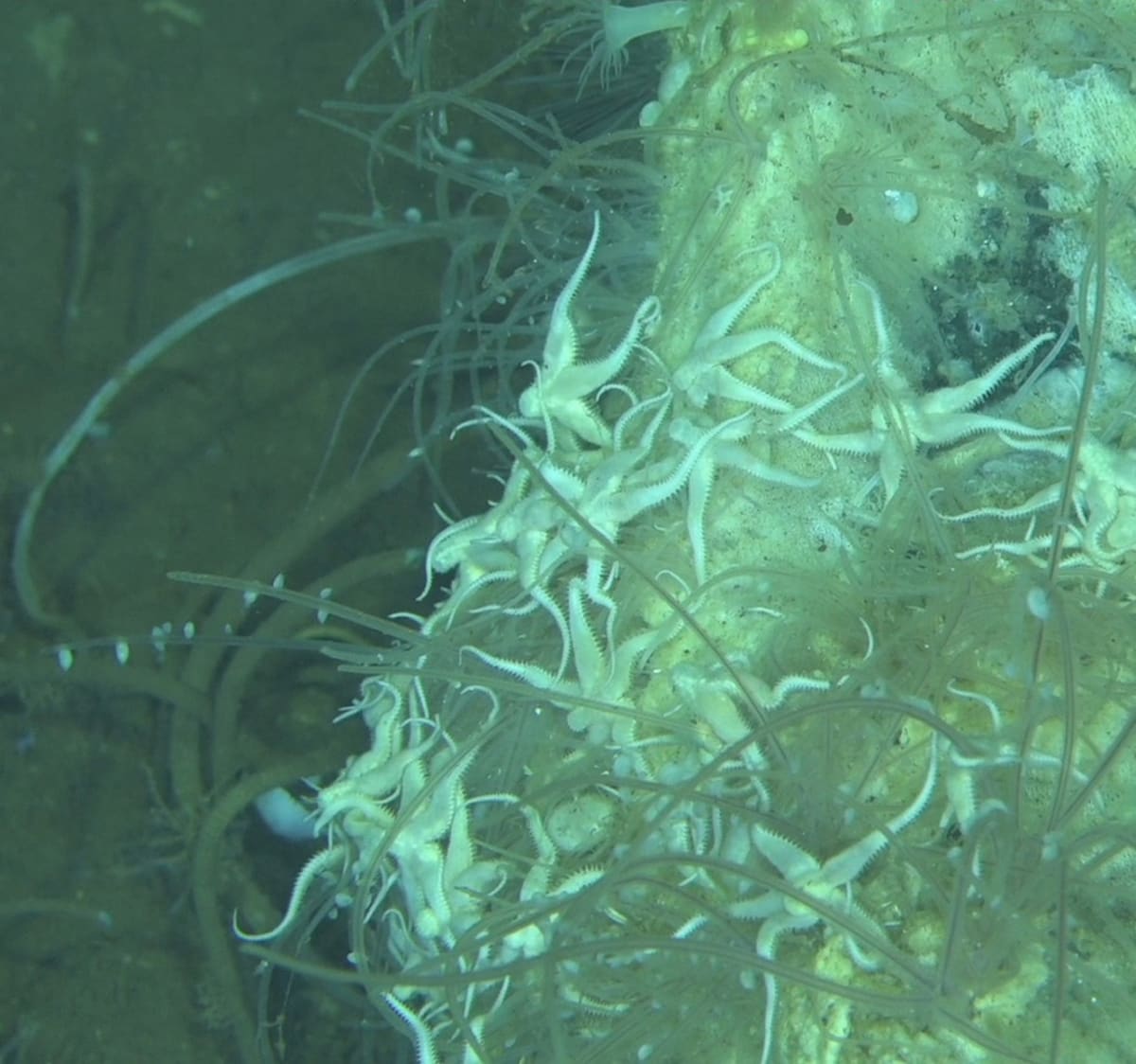
The five recently deceased whales are creating their own bustling ecosystems. Each carcass hosts up to 2,840 individual creatures per square meter, including jellyfish, brittle stars, bone-eating worms, and clams. These communities thrive on bacteria that break down oils in whale bones, creating chemical energy in the lightless depths.
Why This Inspires
This discovery gives scientists a window into whale ecology spanning geologic time scales. Fossils from extinct species lie alongside remains of whales still swimming in today's oceans, creating a timeline of ocean life that's still actively forming.
Stephen Godfrey, curator of paleontology at the Calvert Marine Museum, compared it to "a 1,200-kilometer-long strip mall" where each whale fall opens like a new restaurant for deep-sea creatures. Many of the species discovered may be completely new to science.
The find also reveals how beaked whale rostra (upper jaw bones) are among the densest bones in nature, allowing them to survive at crushing depths long enough to become preserved in ferromanganese oxides. This natural process creates a fossil record unlike anything scientists have seen before.
This living laboratory continues to form new discoveries every day, offering hope that we'll finally understand more about the ocean's most elusive residents while uncovering secrets from millions of years past.
More Images
Based on reporting by Google News - Scientists Discover
This story was written by BrightWire based on verified news reports.
Spread the positivity!
Share this good news with someone who needs it