Scientists Find Ancient Life Thriving in Deep Ocean Darkness
Wrinkled patterns in 180-million-year-old Moroccan rocks reveal microbes survived in total darkness where sunlight-loving organisms should never exist. The discovery rewrites what we know about life in Earth's ancient oceans.
A surprising discovery in Morocco's mountains reveals that life found a way to thrive in the ocean's darkest depths 180 million years ago, completely changing what scientists thought was possible.
Dr. Rowan Martindale was hiking through Morocco's Dadès Valley when she spotted something impossible. Tiny wrinkles and ridges covered ancient seafloor rocks that formed 180 meters below the ocean surface, far deeper than sunlight could ever reach.
These wrinkle patterns normally come from algae and microbes that need sunlight to survive, appearing only in shallow waters where light penetrates. Finding them in deep-sea sediments was like discovering a garden growing in a cave.
Martindale, a paleoecologist at the University of Texas at Austin, knew she had stumbled onto something special. She and her colleague Stéphane Bodin from Aarhus University set out to solve the mystery.
The team faced two puzzles. First, the rocks formed too deep for any sunlight-dependent life to exist. Second, at 180 million years old, ocean animals should have destroyed these delicate patterns by stirring up the seafloor.
Chemical testing revealed elevated carbon levels beneath the wrinkles, pointing to biological activity. The researchers then looked at modern deep-sea footage for clues about what could create similar patterns today.
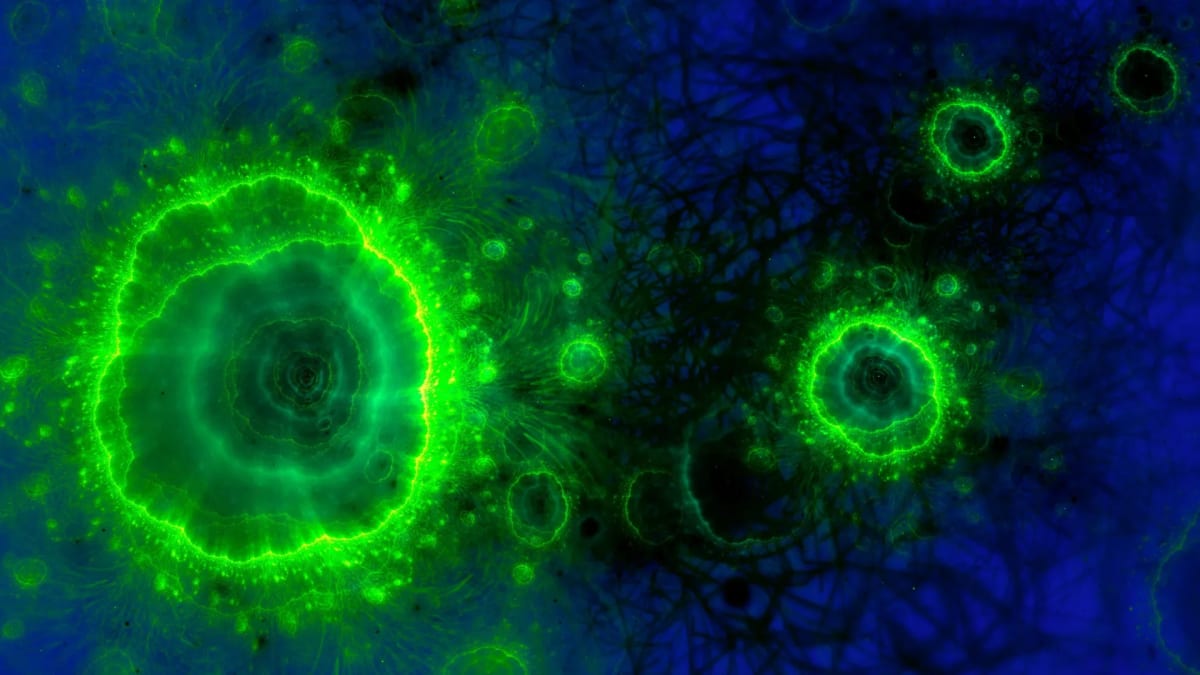
The answer was chemosynthetic bacteria. Unlike their sunlight-loving cousins, these microbes get energy from chemical reactions in total darkness.
The scientists pieced together how it happened. Underwater debris flows called turbidites carried nutrients and organic material into the deep ocean while lowering oxygen levels. Between these flows, chemosynthetic bacteria spread across the seafloor and formed mats, creating the wrinkled patterns that occasionally got buried and preserved.
Why This Inspires
This discovery shows that life is more creative and resilient than we ever imagined. When one energy source disappears, organisms find another way to survive and thrive.
For decades, scientists assumed wrinkle structures could only form in sunny, shallow waters. Now they know to look for signs of ancient chemosynthetic life in rocks previously considered lifeless.
Martindale plans laboratory experiments to better understand how these structures develop and hopes other geologists will start searching for similar patterns in deep-water rocks around the world. Every new discovery could reveal hidden ecosystems that flourished in Earth's ancient oceans, expanding our understanding of where and how life persists.
The wrinkles in these Moroccan rocks are more than geological curiosities—they're proof that life finds a way, even in the deepest darkness.
Based on reporting by Science Daily
This story was written by BrightWire based on verified news reports.
Spread the positivity!
Share this good news with someone who needs it