Scientists Find Ancient Star With 1,500x More Carbon Than Sun
Astronomers discovered one of the universe's oldest stars, a rare fossil from the second generation of stars ever born. The finding reveals how the first stars shaped the cosmos we see today.
Scientists just found a cosmic time capsule that's been waiting 13 billion years to tell its story.
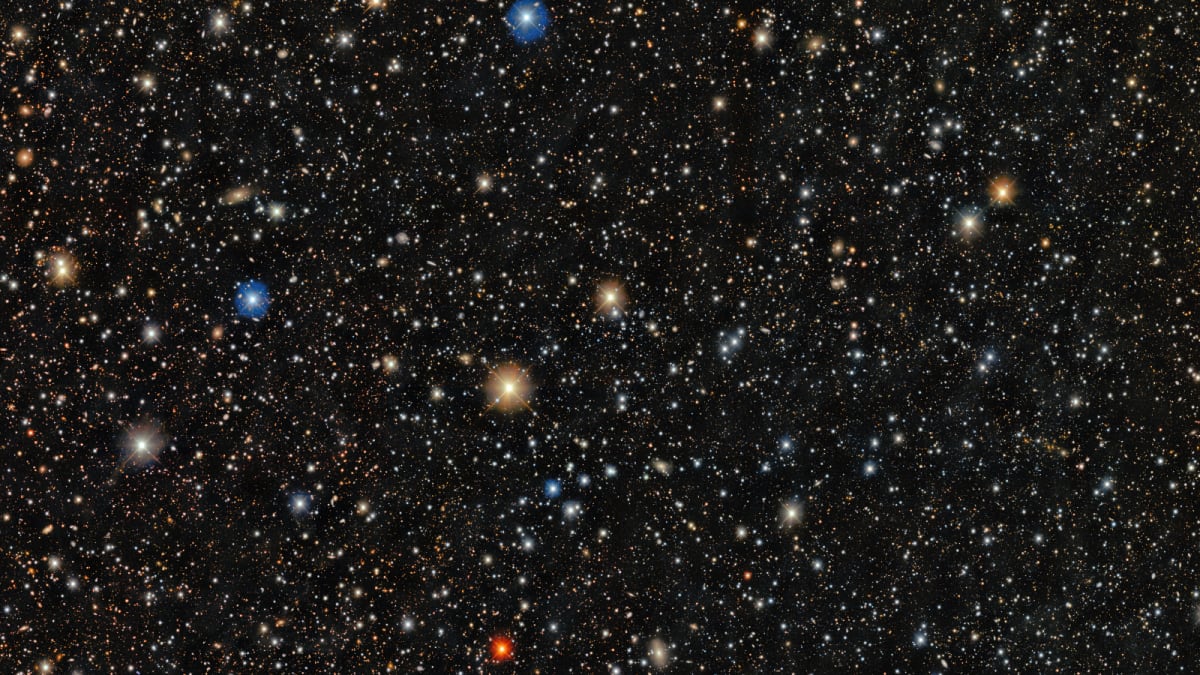
A team of astronomers discovered PicII-503, an ancient star sitting 150,000 light years away in the dwarf galaxy Pictor II. This remarkable star has only 1/40,000th the iron found in our sun, making it one of the most primitive stars ever spotted outside the Milky Way.
But here's what makes PicII-503 truly special. The star contains 1,500 times more carbon relative to iron than our sun does, a chemical signature that scientists say is like a fingerprint from the universe's very first stars.
Think of it this way: the first stars in the universe were born when nothing existed except hydrogen and helium. When those stars exploded, they scattered carbon and iron into space, seeding the next generation of stars with these new elements.
PicII-503 is one of those second-generation stars, and its unique chemistry tells the story of those first explosions. Scientists believe the low-energy supernovas that created it blasted lighter elements like carbon into space while heavier iron fell back into the stellar wreckage.
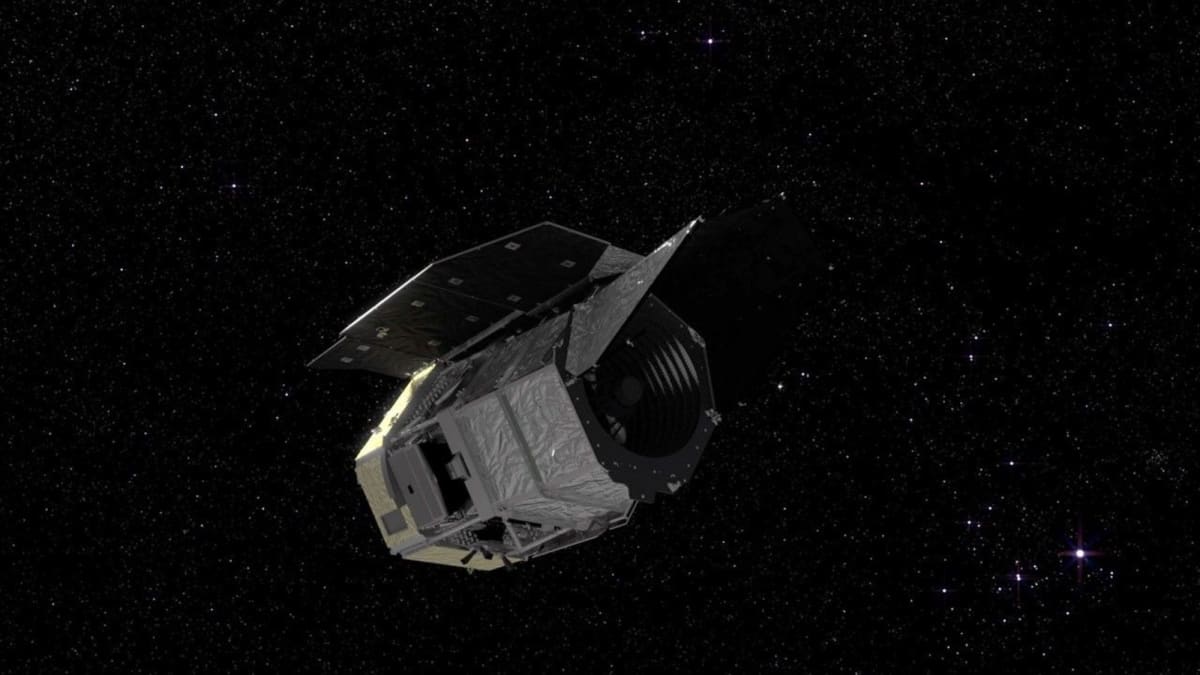
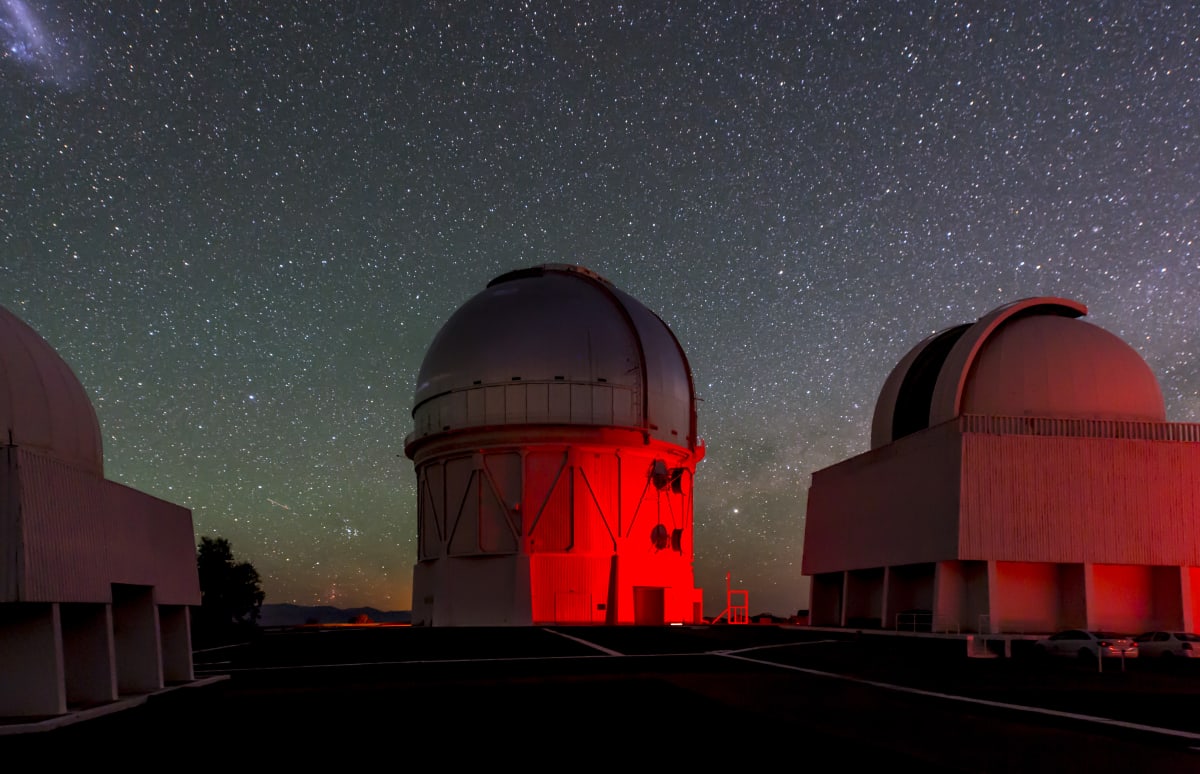
The discovery came through the MAGIC survey, a 54-night observing project designed specifically to find the oldest, most chemically primitive stars. The team used the Dark Energy Camera in Chile, combined with observations from the Very Large Telescope and Baade Magellan Telescope, to confirm their findings.
"Discovering a star that unambiguously preserves the heavy metals from the first stars was at the edge of what we thought possible," said team leader Anirudh Chiti of Stanford University. The extreme rarity of these objects made this discovery especially unlikely.
Why This Inspires
This discovery proves that patient, dedicated scientific work can unlock secrets billions of years old. The team spent 54 nights systematically searching through data to find this single star among hundreds in the same region.
Their success shows how each generation builds on what came before, whether we're talking about stars or human achievement. Just as the first stars created the building blocks for everything that followed, today's discoveries pave the way for tomorrow's breakthroughs.
Finding PicII-503 opens a window into how our universe evolved from simple beginnings into the rich, complex cosmos we inhabit today.
More Images

Based on reporting by Space.com
This story was written by BrightWire based on verified news reports.
Spread the positivity!
Share this good news with someone who needs it