Scientists Find Bed Bugs' Greatest Fear: Plain Water
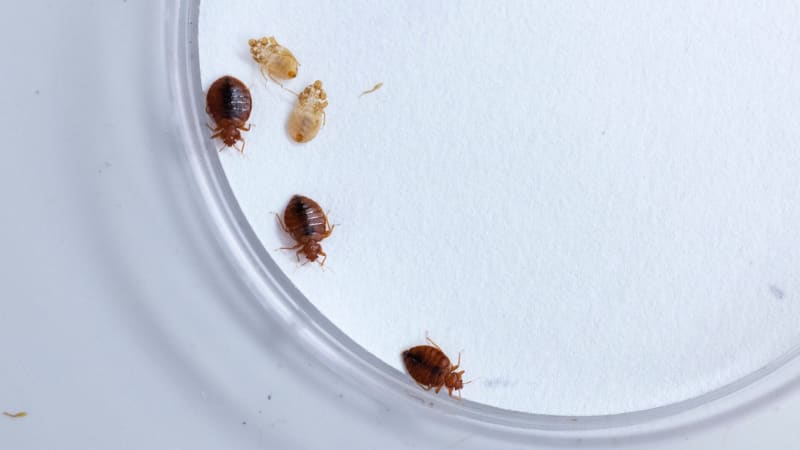
Researchers accidentally discovered that bed bugs desperately avoid water, opening new doors for better pest control methods. The tiny parasites flee from even the smallest wet surfaces, suggesting water could be their Achilles' heel.
Scientists at the University of California, Riverside stumbled upon a discovery that could change how we fight one of our most dreaded household pests. Bed bugs, it turns out, are terrified of water.
Entomologist Dong-Hwan Choe made the discovery by complete accident while feeding lab-raised bed bugs. A machine had leaked blood onto a colony vial, and instead of rushing toward their favorite meal, the bugs scrambled away from the wet surface.
"I thought the bed bugs would be happy to drink the blood from the paper," Choe said. "But what I saw was very different. They were actively avoiding the part of paper that became wet with blood."
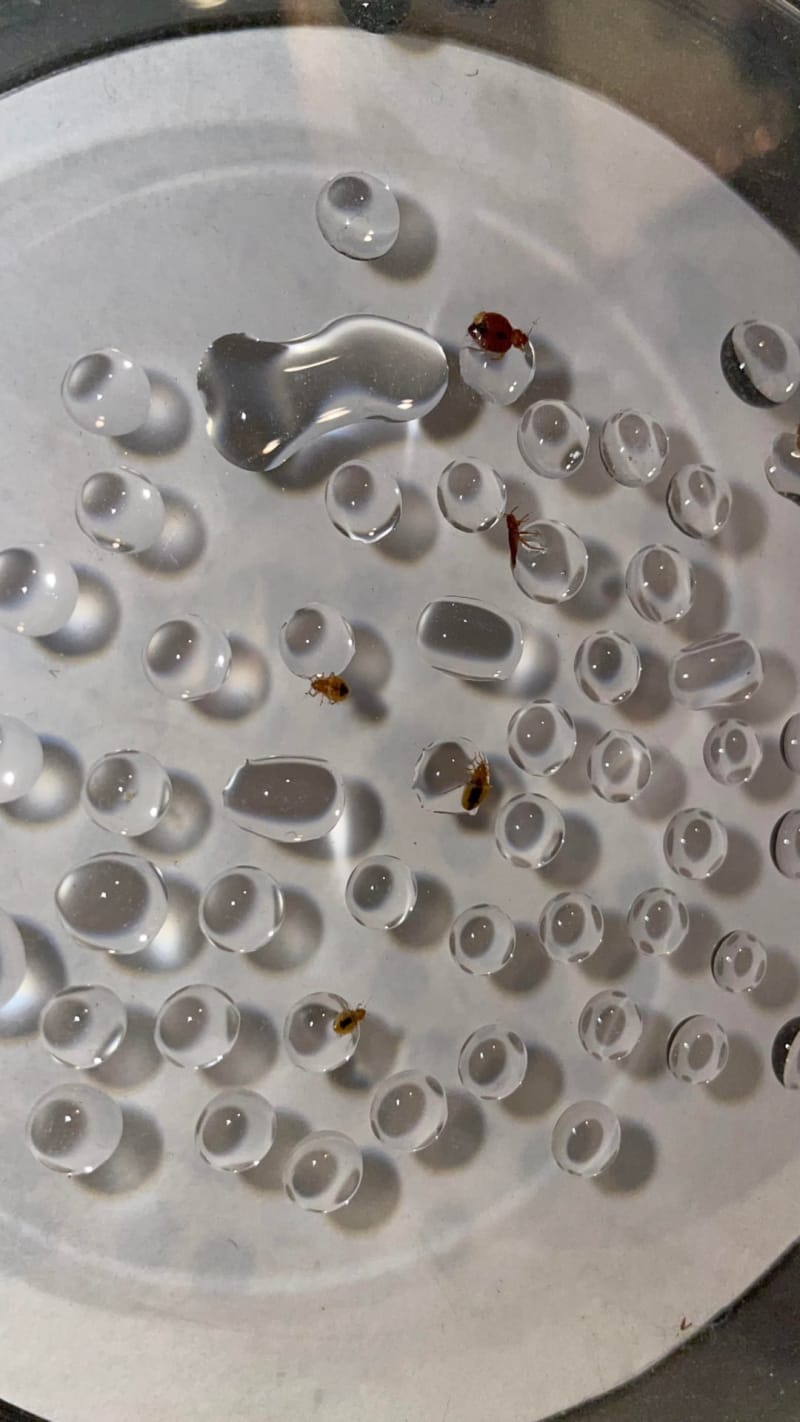
Intrigued, Choe and his team set up careful experiments to track how bed bugs moved around water. They tested young and old bugs, males and females, on wet and dry surfaces. The results were consistent across the board.
Nearly 90% of the time, bed bugs turned away from wet surfaces before even touching the water. Young bugs were especially nimble at avoiding it, moving about 60% faster than adults when dodging wet areas.
The reason makes perfect sense. Bed bugs are incredibly flat insects, and water's strong adhesive force could block the tiny breathing pores on their bellies. Even a small amount of water could essentially drown them.
Why This Inspires
This accidental discovery offers fresh hope in the ongoing battle against bed bugs. After nearly being wiped out in the mid-20th century, these pests have made a stubborn comeback in recent decades. They've also developed resistance to many common insecticides, making them harder to eliminate.
The research, published in the Journal of Ethology, suggests that pest control companies need to rethink how they use liquid treatments. If exterminators apply water-based insecticides improperly, the bugs might simply flee to another part of the house before the chemicals can work.
"If the insecticides don't kill the bed bugs right away, then they will leave the treated areas and disperse elsewhere," Choe explained. Understanding their water avoidance could help professionals design better application methods that actually trap and eliminate the bugs.
The findings remind us that even the smallest observations can lead to meaningful breakthroughs. What started as a curious moment in a lab could eventually help countless people sleep easier at night, knowing there's a better way to fight back against these unwelcome visitors.
Sometimes the solution to our biggest problems is hiding in plain sight, waiting for someone to notice.
More Images


Based on reporting by Google News - Health
This story was written by BrightWire based on verified news reports.
Spread the positivity!
Share this good news with someone who needs it