Scientists Find Biological Cause of Chronic Fatigue
Australian researchers have discovered a faulty cellular doorway that may explain why chronic fatigue syndrome patients experience crushing exhaustion and immune problems. The breakthrough could finally validate ME/CFS as a measurable biological illness, not just "being tired."
Scientists may have just cracked open one of medicine's most frustrating mysteries: why chronic fatigue syndrome leaves people so profoundly exhausted that even small activities can trigger crashes lasting days or weeks.
Researchers at Griffith University in Australia discovered that a tiny cellular doorway called TRPM3 malfunctions in the immune cells of people with myalgic encephalomyelitis/chronic fatigue syndrome (ME/CFS). This faulty doorway blocks calcium from entering mitochondria, the powerhouses that fuel our cells.
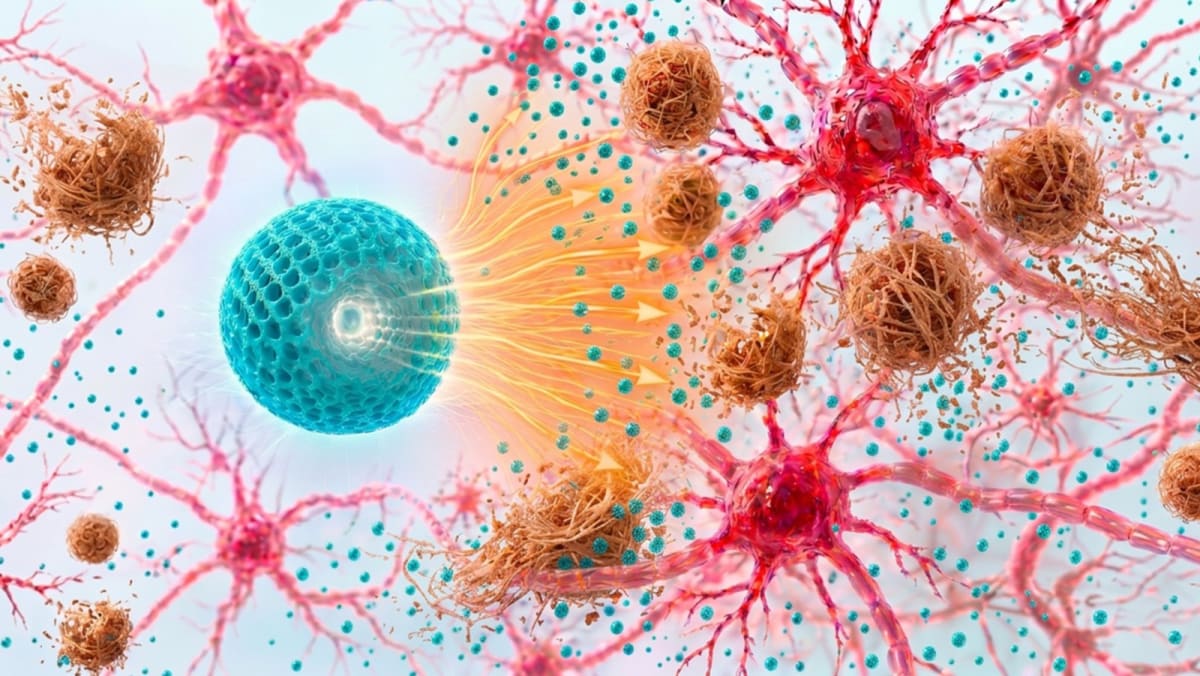
Think of it like this: your immune cells are houses, and TRPM3 channels are the doors that let calcium inside. Once calcium enters, it acts as a messenger that tells your mitochondria to produce energy and helps your immune system function properly. In ME/CFS patients, those doors don't open correctly.
The researchers used advanced imaging to watch calcium movement in real time in natural killer cells, specialized white blood cells that fight infections. They compared 10 people with ME/CFS to 10 healthy volunteers and found dramatically reduced calcium flow in the patients' cells.
This matters because ME/CFS affects an estimated 17 to 24 million people worldwide who often face dismissal from doctors who don't understand their illness. Many patients have been told their debilitating symptoms are psychological or simply laziness.
Professor Sonya Marshall-Gradisnik and Dr. Natalie Eaton-Fitch explain that when calcium signaling breaks down, it creates a cascade of problems including poor immune function and potentially disturbed energy production. The mitochondria can't do their job without proper calcium signals.
The study also revealed something unexpected: after depleting and restoring calcium stores, the ME/CFS cells showed higher calcium influx than healthy cells. The researchers believe this might be the body's desperate attempt to compensate for the faulty doorways, but it could actually make things worse by overloading mitochondria with too much calcium.
The Bright Side
This research validates what millions of ME/CFS patients have been saying for decades: their illness is real, measurable, and biological. The discovery of faulty ion channels gives researchers a concrete target for developing treatments.
While the study is small and early stage, it builds on growing evidence that ME/CFS involves specific biological malfunctions rather than vague "fatigue." The team is already working on the next phase of experiments to measure how this calcium problem affects actual energy production in cells.
The findings also explain why ME/CFS symptoms affect multiple body systems. TRPM3 channels exist throughout the body in the nervous system, digestive tract, heart, and muscles, matching where patients experience problems.
For people who've spent years bedbound or unable to work while being told nothing is wrong with them, this research offers something precious: scientific proof and hope that effective treatments may finally be on the horizon.
More Images


Based on reporting by New Atlas
This story was written by BrightWire based on verified news reports.
Spread the positivity!
Share this good news with someone who needs it