Scientists Find Brain Switch Behind Cocaine Addiction
Michigan State researchers discovered a protein that rewires the brain during cocaine use, explaining why quitting is so hard. This breakthrough could lead to the first FDA-approved medication for cocaine addiction.
Scientists just found a physical reason why cocaine addiction is so hard to beat, and it might finally lead to real treatments.
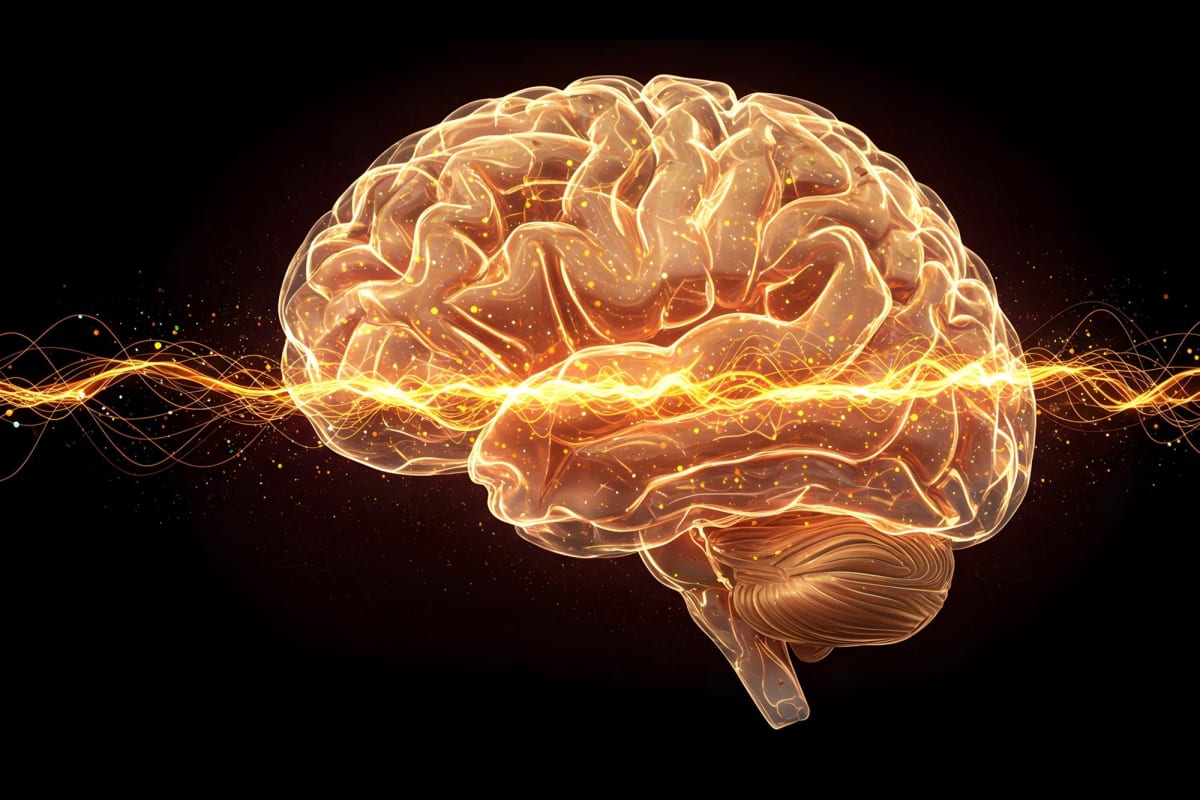
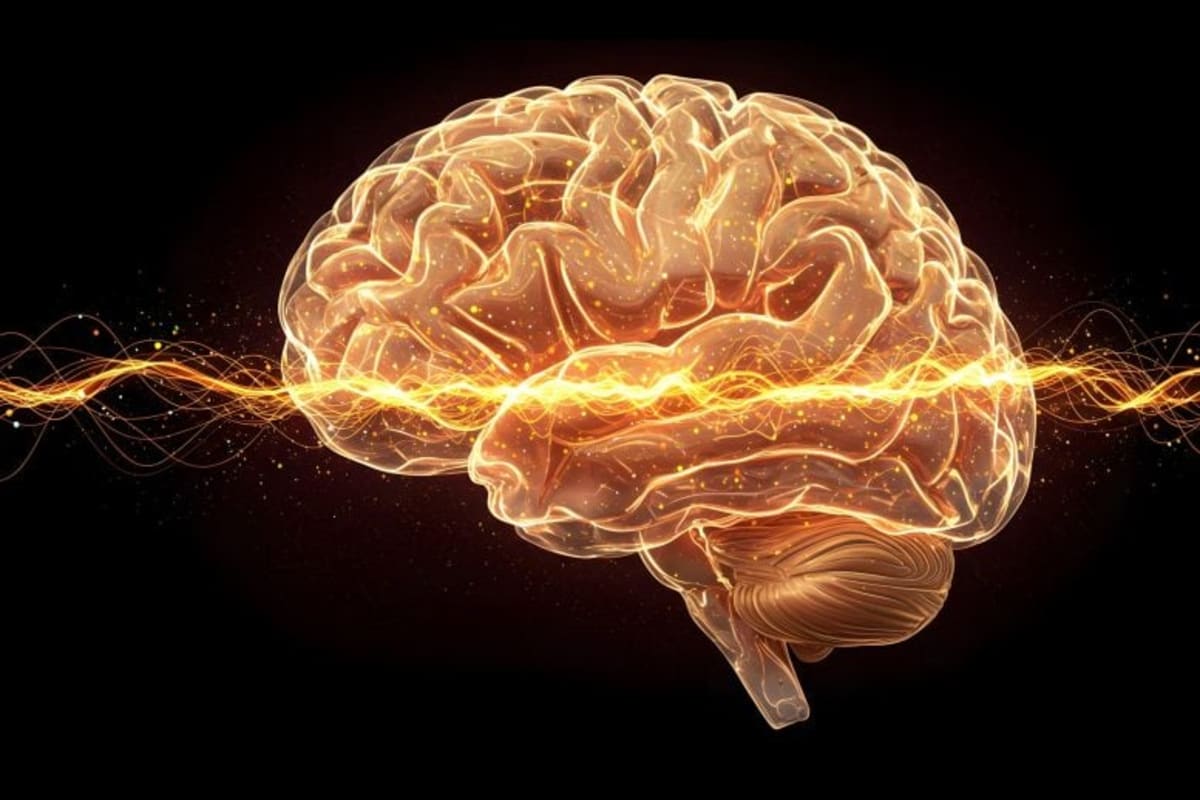
Researchers at Michigan State University discovered that a protein called DeltaFosB acts like a molecular switch in the brain, fundamentally changing how neurons work after repeated cocaine use. This isn't about willpower or weakness. It's about the brain being physically rewired.
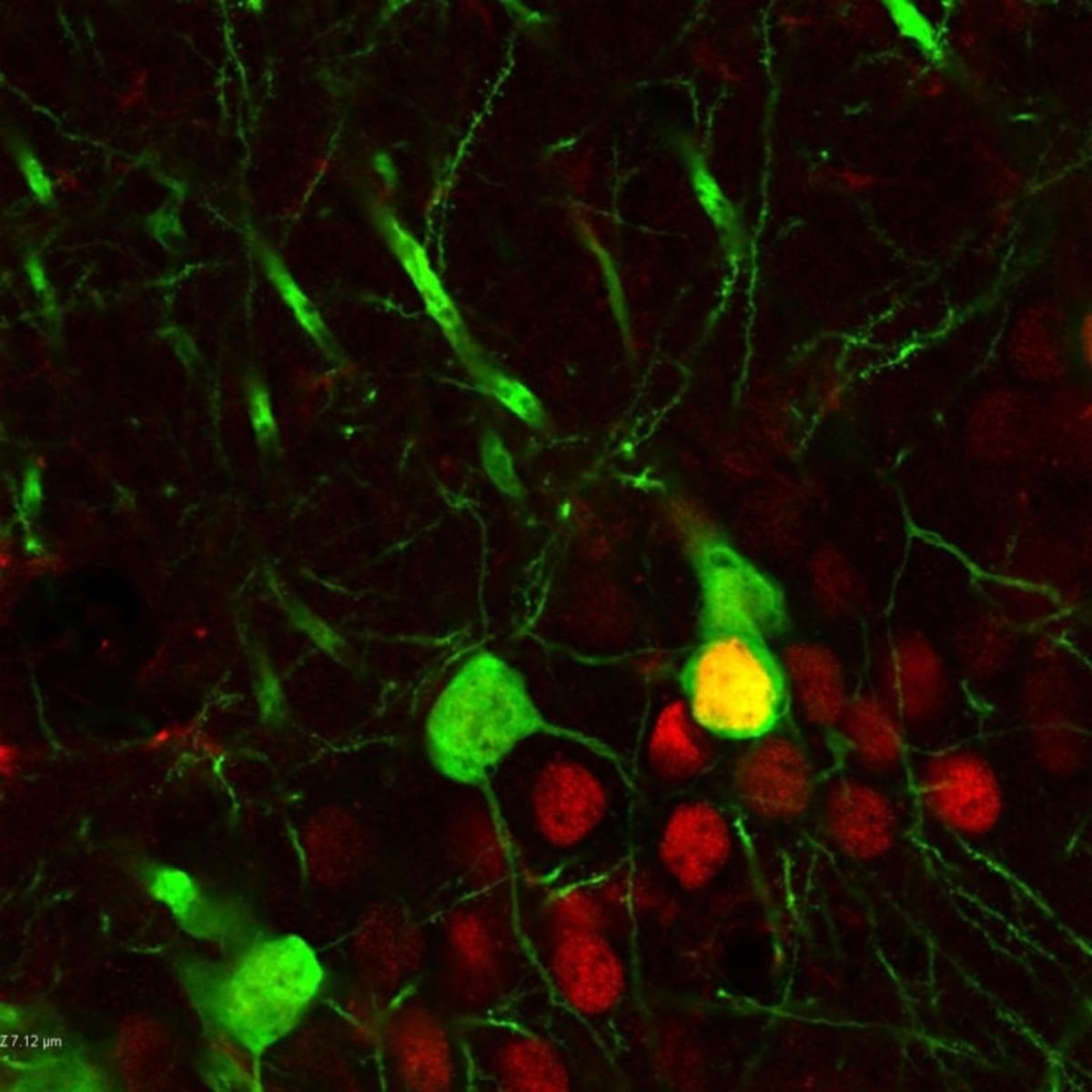
The team, led by professor A.J. Robison, studied how cocaine affects the connection between the brain's reward center and the hippocampus, where memories form. They found that DeltaFosB builds up in this circuit with continued drug use, literally flipping genes on and off and making the brain crave cocaine more intensely.
"This protein isn't just associated with these changes, it is necessary for them," said lead author Andrew Eagle. Without DeltaFosB, cocaine doesn't produce the same powerful drive to seek the drug.
The discovery matters because cocaine addiction affects at least one million Americans, and there's currently no FDA-approved medication to treat it. While quitting opioids causes severe physical withdrawal, cocaine's hold on the brain is different. About 24% of people return to weekly use within a year, and another 18% need treatment again.
The research, published in Science Advances and funded by the National Institutes of Health, identified other genes controlled by DeltaFosB, including one called calreticulin that intensifies drug-seeking behavior. These genes don't just influence addiction; they drive it.
The Bright Side
Robison's team is already working with researchers at the University of Texas Medical Branch to develop compounds that target DeltaFosB. The goal is creating molecules that can control how this protein binds to DNA, potentially stopping the brain changes before they reinforce addiction.
"If we could find the right kind of compound that works in the right way, that could potentially be a treatment for cocaine addiction," Robison said. While he cautions the work is years away, the path forward is clear.
The team is also studying how hormones influence these brain circuits and whether cocaine affects male and female brains differently. Understanding these differences could lead to personalized treatments that work better for different groups.
For the first time, scientists can see exactly how cocaine hijacks the brain, and they're building a roadmap to reverse it.
More Images
Based on reporting by Google News - Scientists Discover
This story was written by BrightWire based on verified news reports.
Spread the positivity!
Share this good news with someone who needs it