Scientists Find Brain Waves That Spiral Like Weather Patterns
Researchers discovered a new type of brain wave that rotates like a spiral, potentially coordinating how we sense the world and move our bodies. The breakthrough could unlock mysteries about memory, movement, and how different brain regions work together.
Your brain might be using spinning waves to help you catch a ball, remember a face, or simply feel a breeze on your skin.
Scientists at the University of Washington School of Medicine just discovered something remarkable: brain waves that rotate in spiral patterns, much like weather systems swirling across a map. These vortex-like waves travel through different brain regions, potentially coordinating everything from sensation to movement.
"We discovered a new kind of brain wave that specifically rotates over space and time," says Nick Steinmetz, associate professor of neurobiology and biophysics who led the research team. The findings appear in the journal Science this week.
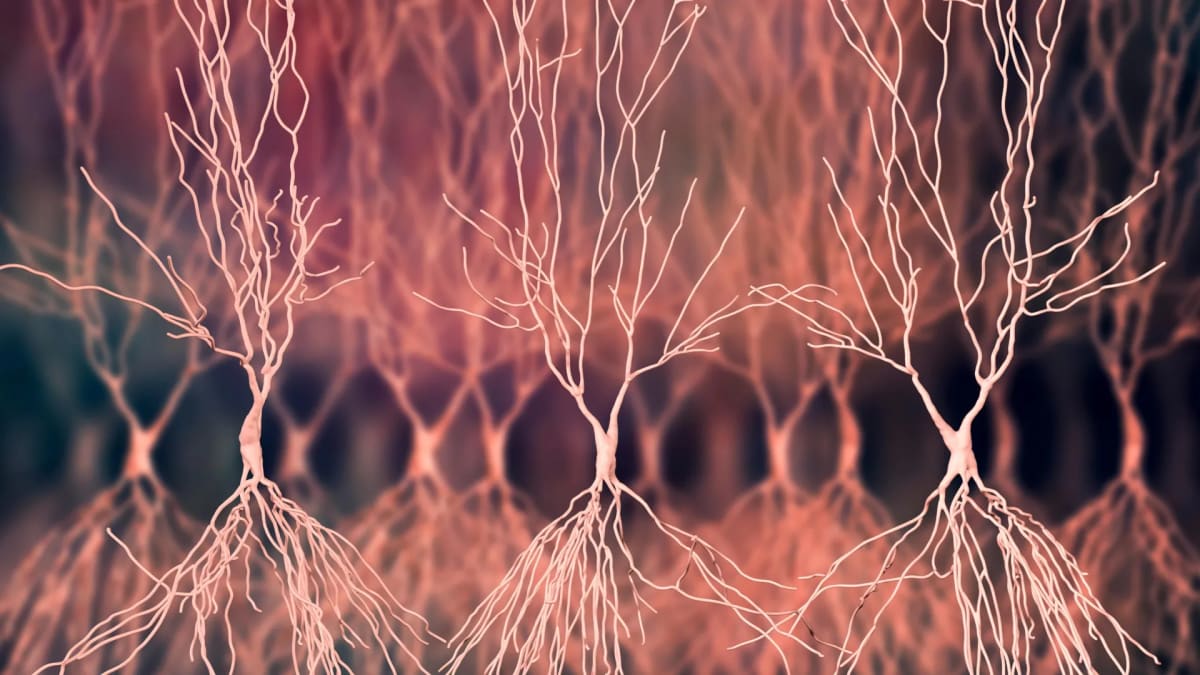
The discovery happened while studying mouse brains using advanced imaging technology. Researchers found that neurons in the sensory cortex are arranged in a circular pattern, like cars on a merry-go-round track. Their electrical signals naturally create rotating waves that spiral outward.
When scientists gently puffed air on a mouse's whiskers, they watched clockwise rotating waves bloom in the sensory cortex, with matching waves appearing in the motor cortex. The waves mirrored on both sides of the brain and rippled down to deeper structures like the thalamus and striatum.
The team then tested mice on a game requiring paw and eye coordination. The rotating waves changed patterns depending on how alert the mouse was and whether it succeeded at the task. This suggests the waves might do more than just carry information—they might help coordinate the timing between sensing something and acting on it.
Think of these waves as the brain's internal metronome. They might help your brain predict what's coming next and prepare the right response, like how you automatically adjust your hands when catching a ball before it arrives.
The Ripple Effect
This discovery opens doors scientists didn't know existed. These rotating waves connect distant brain regions responsible for different jobs, creating a communication highway between areas that handle sensation, movement, and memory.
The waves could explain how practice makes perfect. By repeatedly traveling the same paths during a visual-motor task, they might strengthen connections between brain areas, making skills feel more automatic over time.
Researchers don't yet know if human brains use rotating waves the same way mouse brains do. That's the next frontier. If humans share this mechanism, it could reshape how we understand learning, memory formation, and even neurological conditions where coordination breaks down.
The breakthrough came from combining multiple cutting-edge techniques, including cortex-wide brain imaging and large-scale electrical measurements. The work received support from the National Science Foundation, National Institutes of Health, and several prestigious research fellowships.
Scientists now have a new lens for viewing how the brain orchestrates its symphony of sensations, thoughts, and actions—one beautiful spiral at a time.
More Images


Based on reporting by Google News - Scientists Discover
This story was written by BrightWire based on verified news reports.
Spread the positivity!
Share this good news with someone who needs it