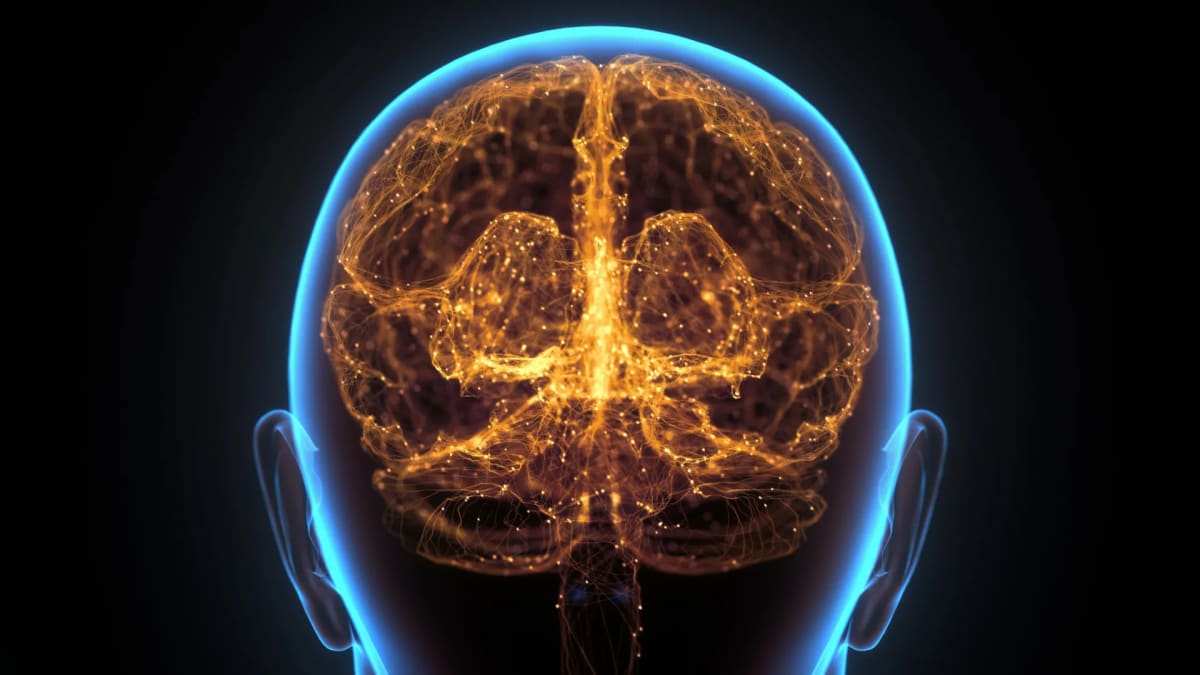
Scientists Find Brain's Secret Weapon Against Cancer
Researchers discovered hidden immune structures in the skull that act as rapid defenders against brain tumors. Early tests show strengthening these "security stations" helped mice fight cancer more effectively.
Your brain might have a secret defense team you never knew about, and scientists just found where they've been hiding all along.
Researchers at Washington University discovered previously unknown immune structures tucked inside the skull bone marrow of mice. These structures work like miniature security stations, responding to brain cancer faster than the rest of the immune system can even detect a problem.
The discovery overturns decades of scientific thinking. Doctors once believed the brain operated largely isolated from the immune system, walled off and alone. That view has shifted dramatically in recent years, and this finding takes it even further.
The team found organized immune hubs inside the skull that look remarkably similar to lymph nodes, the body's coordination centers for fighting disease. Finding such sophisticated immune structures in healthy bone marrow shocked the scientists. "We have never seen such structures in healthy bone marrow before," said first author Jang Hyun Park.
The researchers didn't stop at discovery. They tested whether these skull immune hubs actually protect the brain by using mice with glioblastoma, an aggressive brain cancer.
When scientists blocked the immune hubs with medication, tumors grew faster and mice survived shorter periods. The local defenses clearly mattered.
Then came the exciting part. The team created a treatment to boost the skull's immune response, combining three immune proteins in a gel placed directly beneath the scalp. The approach worked better than anyone expected.
The immune surge appeared first in the skull bone marrow hubs, then spread to nearby lymph nodes outside the skull. Mice receiving the treatment rejected tumors more effectively and lived longer than untreated animals.
The team also found evidence of similar immune cells in human skull bone marrow, suggesting this defense system isn't unique to mice.
The Ripple Effect
The implications stretch far beyond cancer treatment. Because these immune hubs sit right next to the brain, they could provide a new way to treat neurological diseases without affecting the entire body.
Senior author Jonathan Kipnis believes the discovery could change approaches to Alzheimer's, Parkinson's, schizophrenia, long COVID, and other conditions with immune components. Treatments could potentially target the skull's immune hubs directly, avoiding the widespread side effects that come with therapies affecting the whole immune system.
The finding represents a fundamental shift in understanding how the brain protects itself. Rather than operating alone, the brain appears to have specialized backup positioned strategically close, ready to respond the moment something goes wrong.
Sometimes the most important discoveries are the ones hiding in plain sight, waiting for someone to look closely enough.
Based on reporting by Science Daily
This story was written by BrightWire based on verified news reports.
Spread the positivity!
Share this good news with someone who needs it