Scientists Find Crabs Riding Sea Snakes in Pacific Ocean
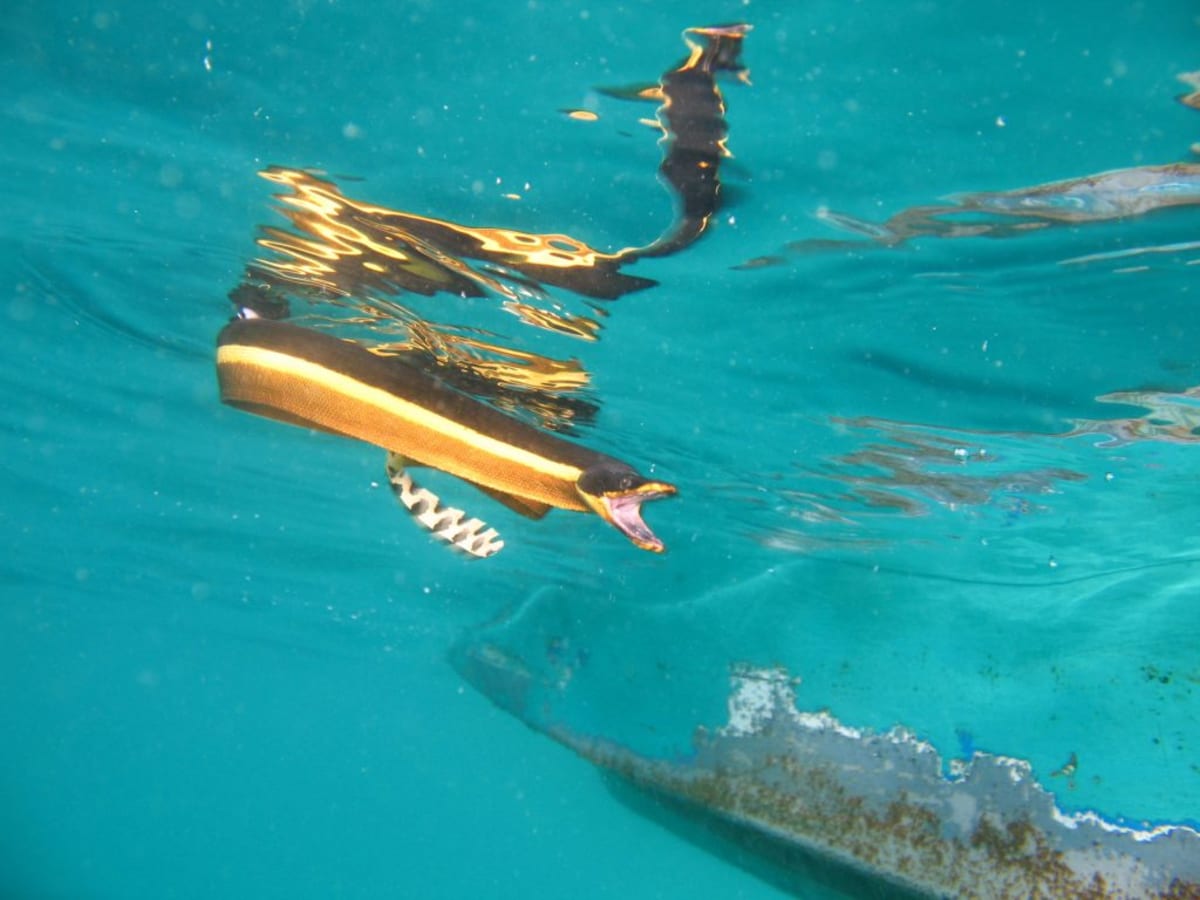
For the first time ever, scientists discovered crabs and other small creatures living on sea snakes off Costa Rica's coast. After a decade of mystery, DNA testing revealed these hitchhikers belong to a family of crabs that might be showing us the first steps of how ocean creatures evolved to live on other animals.
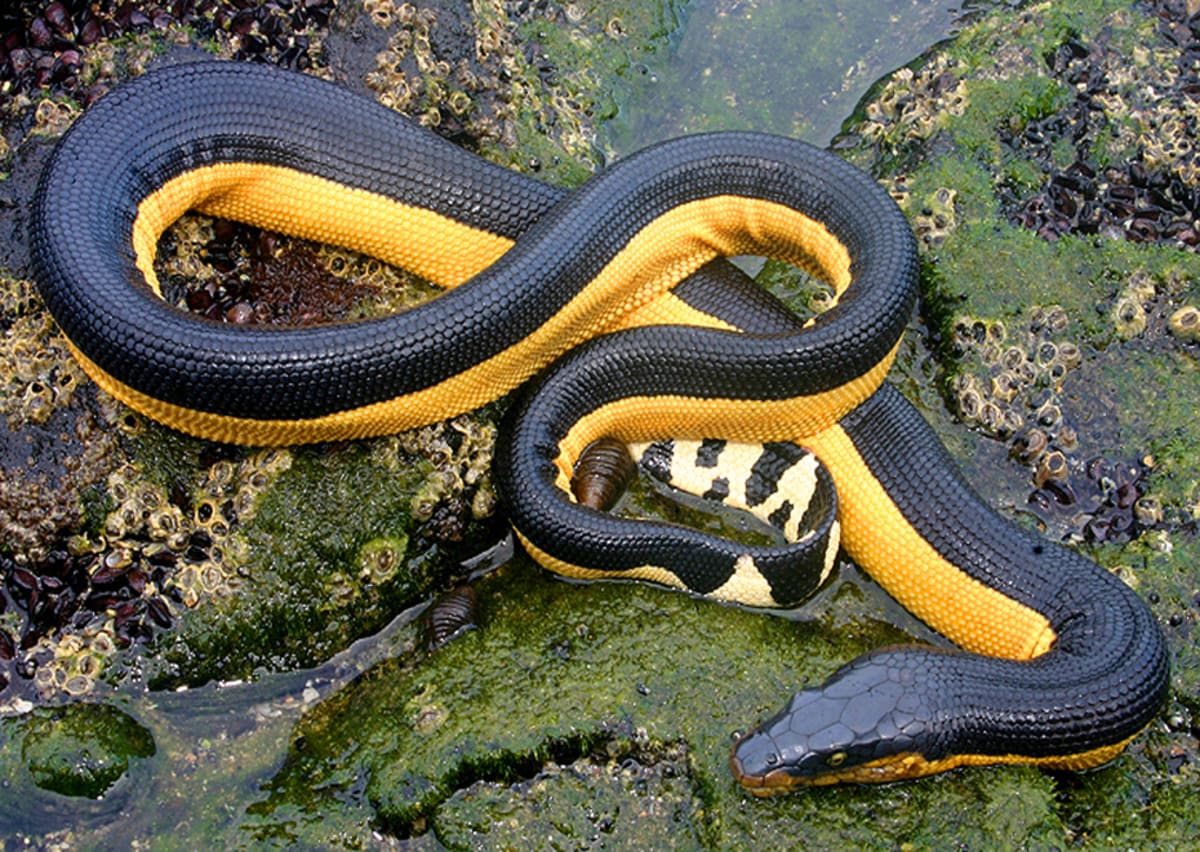
When marine biologist Joseph Pfaller pulled his first yellow-bellied sea snake from Pacific waters in 2012, a tiny crab tumbled off its scales. He'd never seen anything like it.
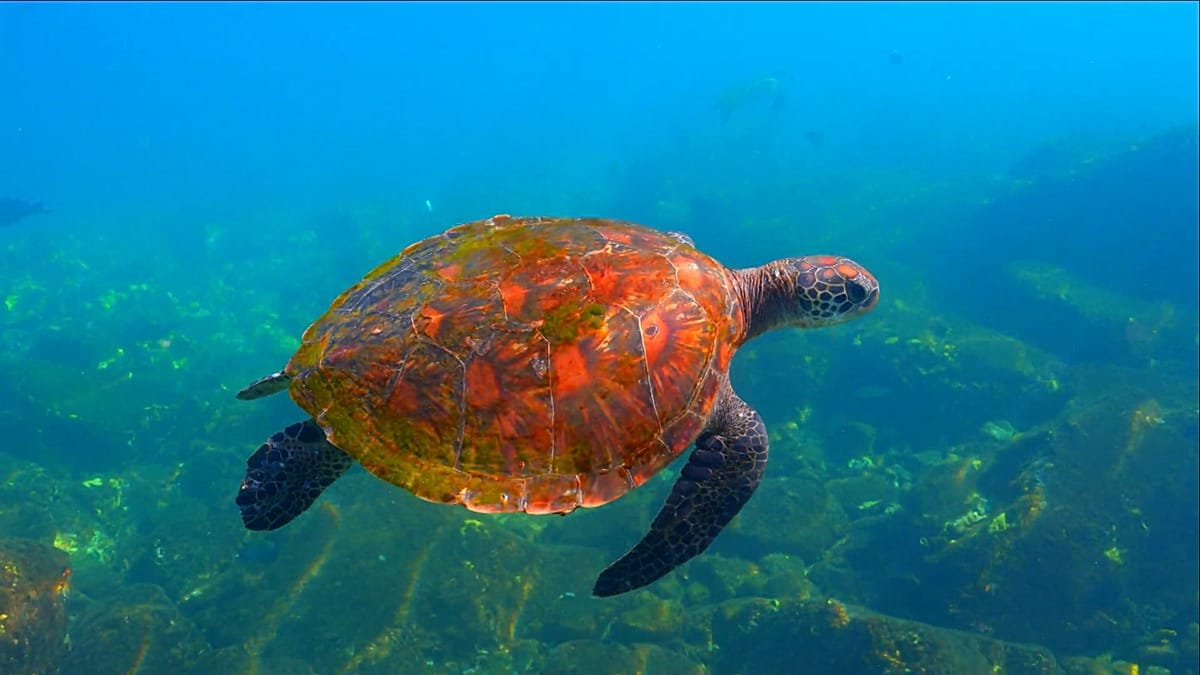
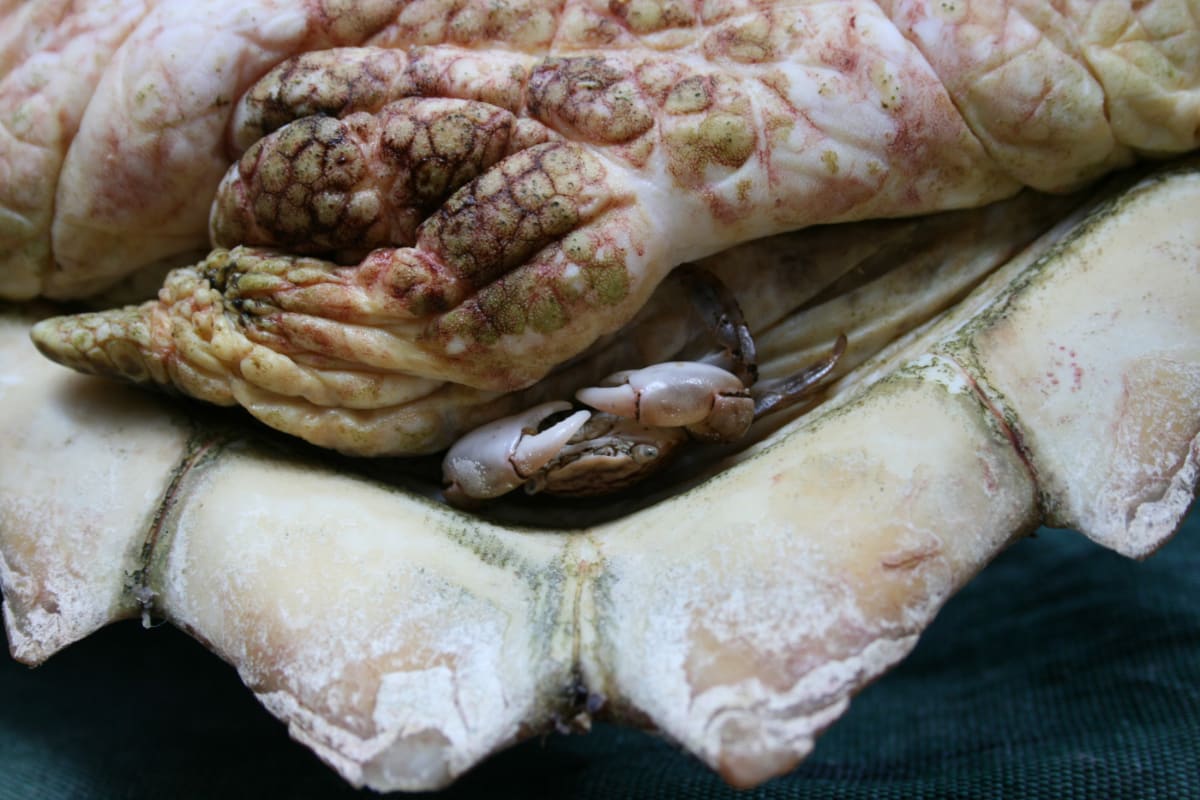
Pfaller had studied sea turtles before and knew they carried crabs called Planes between their shells and tails. But sea snakes? Scientists had only ever found stationary barnacles and tube worms clinging to them, never anything that could walk or swim away.
The surprises kept coming. Of the 371 sea snakes his team collected off Costa Rica, dozens carried crabs, shrimp, snails, and even a small clingfish. These mobile animals were living on the snakes, not just passing by.
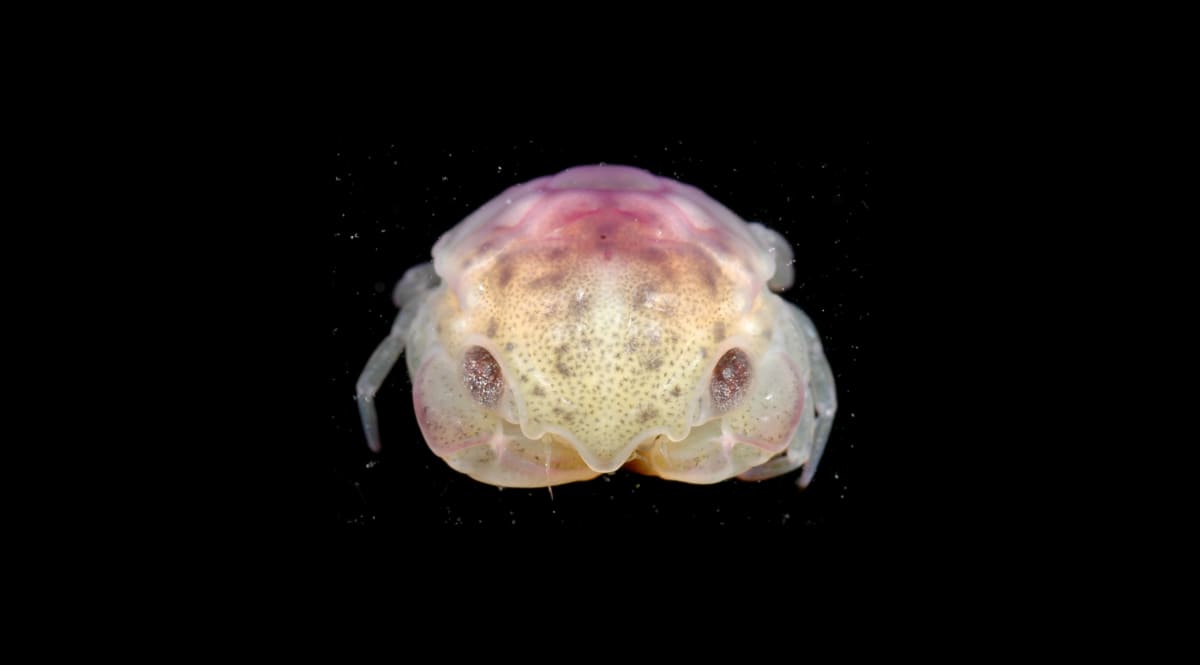
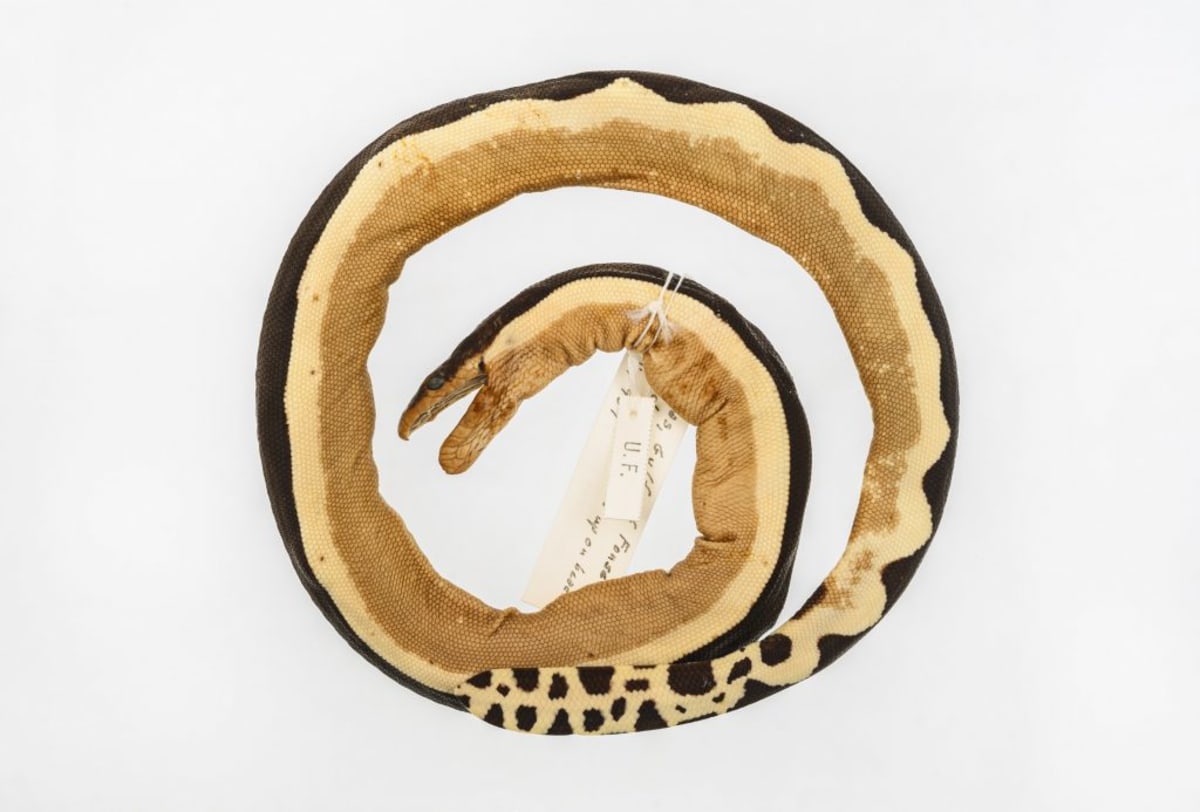
But there was a puzzle. The crab larvae were too young to identify by appearance alone, and Pfaller couldn't figure out exactly what species they were. He preserved them at the Florida Museum of Natural History and moved on to other research.
Fast forward a decade. Pfaller mentioned his mysterious snake passengers to crab expert Robert Lasley, who immediately got excited. "Wait! Wait! Wait! Are you saying you have planes on a snake?" Lasley asked, riffing on the movie "Snakes on a Plane."
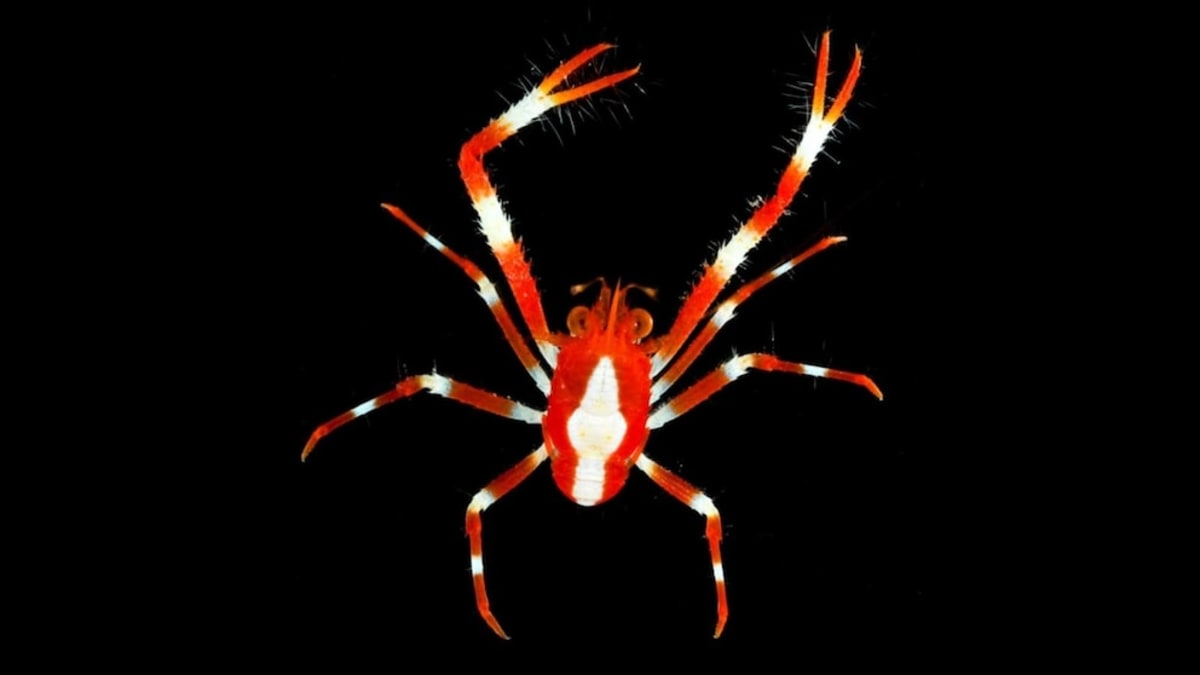
The joke was too perfect to resist, and the scientists got back to work. Using DNA analysis, they finally identified the hitchhikers and discovered something unexpected. The crabs weren't Planes at all but three other species from the same family.
Here's what makes this fascinating. Planes is the only genus in this crab family known to live on other animals. Yet these closely related species were doing the same thing, while dozens of other crab families in the area weren't hitching rides at all.
Why This Inspires
This accidental discovery might reveal something profound about evolution. Scientists now suspect they're watching a behavior that helped this entire family of crabs develop their unique lifestyle of rafting and living on other creatures.
Sea snakes face a unique challenge that might make them perfect hosts. Like all snakes, they shed their skin as they grow, but living in open ocean means no rocks or branches to rub against. They tie themselves into pretzels and use friction between their own scales to wiggle free.
When they shed, their passengers likely get evicted too, which might explain why the crabs were overlooked for so long. Charles Darwin himself documented barnacles on sea snakes back in the 1800s, but mobile creatures went completely unnoticed until now.
Sometimes the biggest discoveries hide in plain sight, waiting for someone curious enough to notice a single crab falling from a snake.
More Images
Based on reporting by Google News - Scientists Discover
This story was written by BrightWire based on verified news reports.
Spread the positivity!
Share this good news with someone who needs it