Wildlife Bounces Back From Gulf to Central Asia
From heat-resistant corals in the Gulf of Oman to endangered antelopes in Uzbekistan, scientists are proving that threatened species can recover when we give them the right tools. Their secret weapon? A powerful mix of old-school fieldwork and cutting-edge technology.
Marine biologists in the United Arab Emirates have discovered something remarkable: the corals thriving in their backyard might hold the key to saving reefs around the world.
At the Sharjah Marine Science Research Centre on the UAE's east coast, scientists are studying corals that already survive water temperatures that would kill most reefs. These hardy corals offer a living laboratory for understanding how ocean life might adapt as climate change warms the seas.
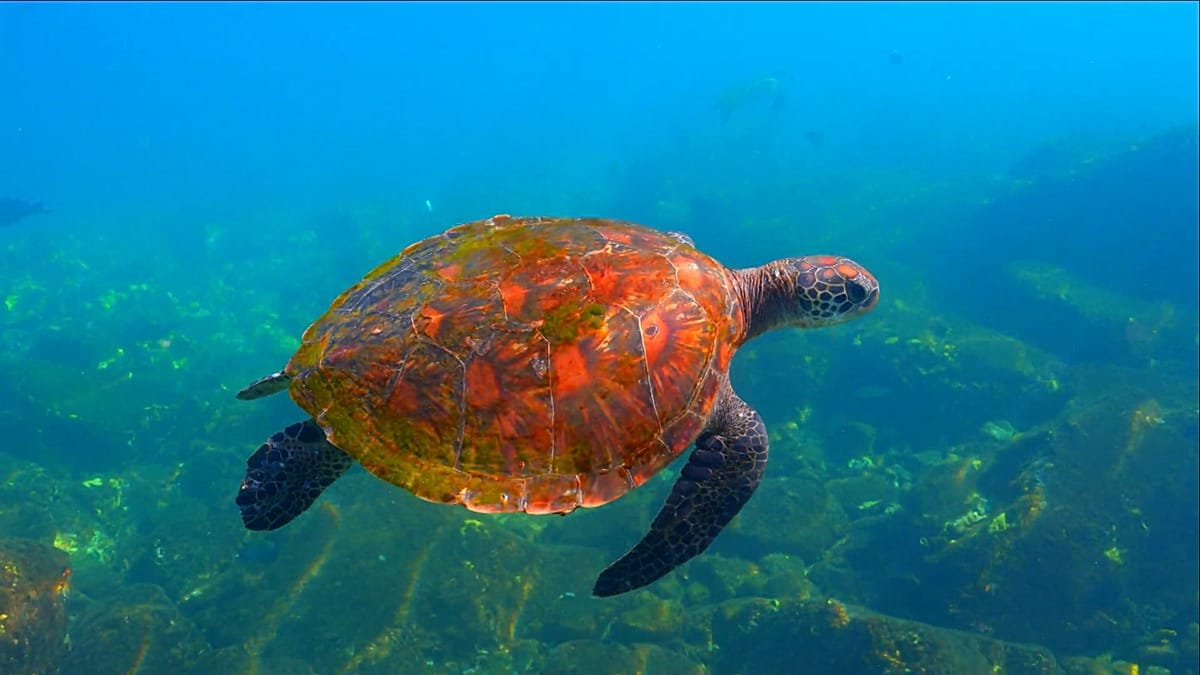
The centre uses artificial intelligence to track individual sea turtles by photographing the unique scale patterns on their faces. Over six months, 95% of the turtles they spotted were juveniles, a strong sign that turtle populations are growing healthier.
Thousands of miles away in Uzbekistan, a different success story is unfolding. The saiga antelope, a distinctive creature with a bulbous nose that helps filter dust from Central Asian steppes, nearly vanished from the Ustyurt Plateau.
Today, the Saygachiy Complex Landscape Sanctuary protects more than 600,000 hectares of saiga habitat. Chief inspector Ortiqbek Saydullayev remembers when his team would spot only two or three saiga during patrols. Now a resident population has established itself thanks to year-round support including winter feeding stations and 83 wells spread across the sanctuary to provide summer water.
In Uzbekistan's Kugitang mountains, camera traps and traditional fieldwork are bringing back two species that had nearly disappeared. The markhor, a wild goat with magnificent spiral horns, has rebounded to 981 individuals counted in November 2025. The Bukhara urial, a rare wild sheep, now numbers 137 animals in the reserve that was created specifically to save them in 1986.
The Ripple Effect
These conservation wins share a common thread: they combine boots-on-the-ground dedication with smart technology. Rangers still hike into the mountains at dusk when animals are most active, but now camera traps record wildlife movements 24 hours a day. Scientists still photograph turtles by hand, but artificial intelligence helps them recognize individuals and track their journeys.
Not every story is simple. In Karakalpakstan, the Sudochye lake system shows how even protected wildlife faces challenges beyond our immediate control. The lakes, once connected to the shrinking Aral Sea, are the only place flamingos nest in Uzbekistan. As water levels drop and salinity rises each year, officials worry the lakes could lose their ability to support breeding birds.
Still, the recoveries happening across these diverse landscapes prove something important: when we protect habitat, provide resources, and watch carefully, nature responds. The markhor population keeps growing. The corals keep adapting. The turtles keep returning.
Based on reporting by Google News - Wildlife Recovery
This story was written by BrightWire based on verified news reports.
Spread the positivity!
Share this good news with someone who needs it