Scientists Find First True Sugar Molecule in Space
Astronomers detected a four-carbon sugar called erythrulose in a gas cloud near the Milky Way's center, marking the first true sugar ever found in interstellar space. The discovery could help explain how the building blocks of life first arrived on Earth.
Scientists just spotted something sweet floating near the center of our galaxy: the first true sugar molecule ever found in space.
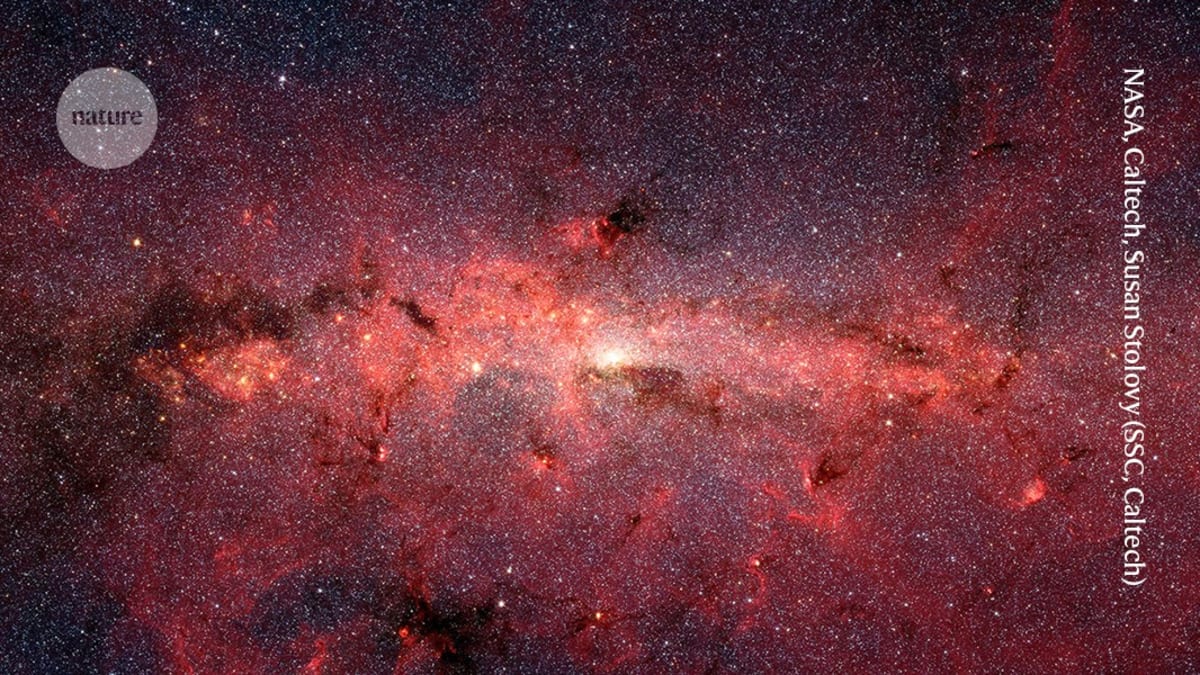
Astronomer Izaskun Jiménez-Serra and her team discovered erythrulose, a four-carbon sugar, swirling in a cloud of gas and dust thousands of light years away. The finding, published in Nature Astronomy, represents a major milestone in understanding life's cosmic origins.
While astronomers found simpler sugar-like molecules before, erythrulose is the first "true sugar" detected in interstellar space. True sugars need at least three carbon atoms in their backbone, and this one has four.
The discovery happened almost by accident. Jiménez-Serra had been searching for sugars in space without success when a colleague offered to share erythrulose's unique spectroscopic fingerprint in 2022. She was skeptical but decided to check her existing data anyway.
To her surprise, the erythrulose signature appeared clearly in observations from a molecular cloud near the Milky Way's center. Follow-up scans using Spain's powerful radio telescopes confirmed it even more definitively.
Why This Inspires
This discovery connects directly to a question that's fascinated scientists for decades: where did Earth's life-building molecules come from? Evidence already suggested space rocks delivered crucial ingredients to our young planet.
Scientists previously found the five-carbon sugar ribose in meteorite samples billions of years old. Ribose is essential for RNA and DNA, the molecules that carry genetic information in every living thing.
Now, finding erythrulose floating freely in space strengthens the theory that sugar molecules form naturally in cosmic clouds. These sugars could have hitched rides on asteroids and comets that crashed into early Earth, delivering the chemical building blocks life needed to begin.
"This is an incredibly exciting result," says Brett McGuire, an astrochemist at MIT. "Astronomers have, for a very long time, been pushing to detect sugars in space."
The discovery opens new doors for searching for other complex organic molecules drifting through the cosmos. Each finding helps scientists piece together the chemical story of how lifeless matter became living organisms.
The universe, it turns out, has been baking the ingredients for life all along.
More Images

Based on reporting by Nature News
This story was written by BrightWire based on verified news reports.
Spread the positivity!
Share this good news with someone who needs it