Scientists Find Hope in Water Use Decoupling Research
New research shows some economies are growing without draining more water resources, offering a blueprint for sustainable development. Scientists identify promising pathways that could help the world break free from the old pattern of economic growth requiring more water consumption.
Economic growth has always seemed to demand one painful tradeoff: the more we prosper, the more water we use up. But groundbreaking research published in Nature reveals that relationship might not be set in stone after all.
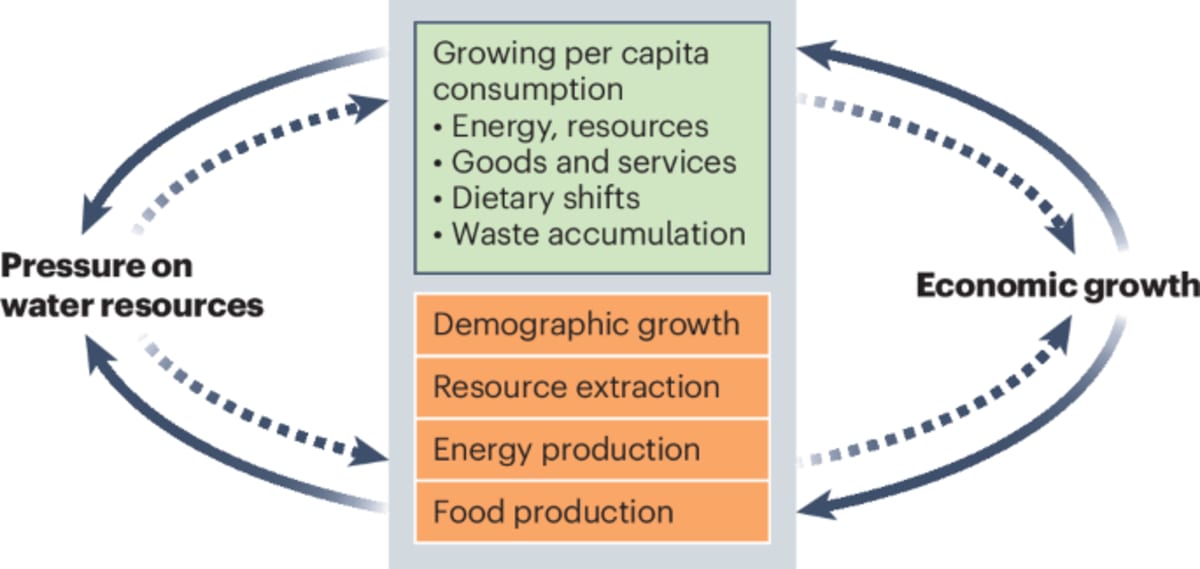
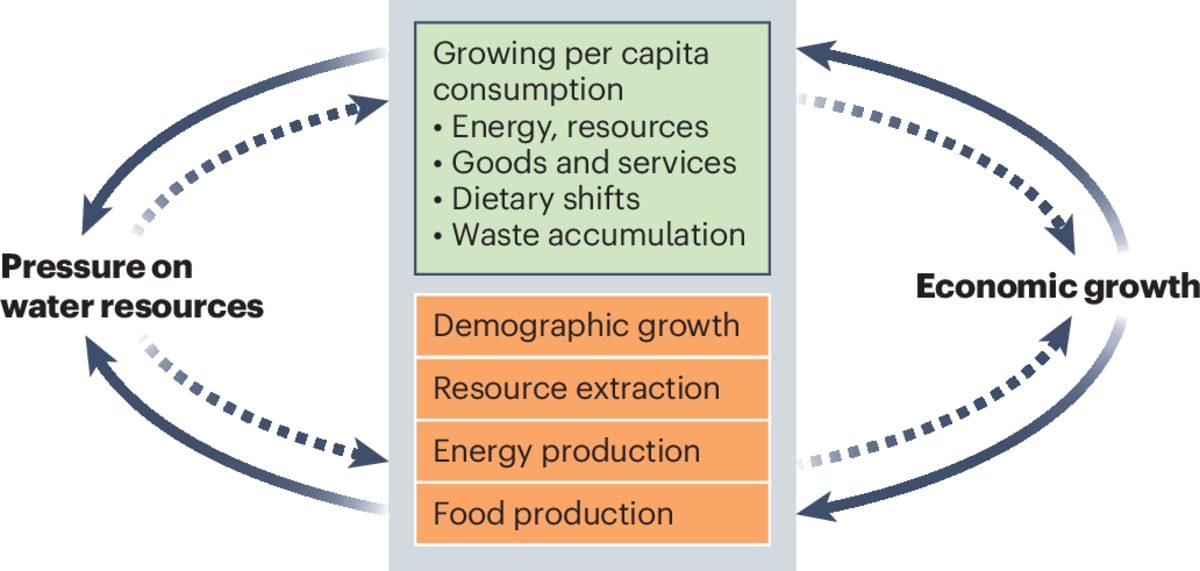
Scientists examined how economies worldwide interact with freshwater resources through the food-energy-water nexus. What they found challenges decades of assumptions about growth and natural resource use.
While pollution and climate change have dominated environmental conversations, researchers discovered that water use patterns have been overlooked. Their comprehensive analysis shows that some regions are already achieving what was once thought impossible: growing their economies while stabilizing or even reducing water consumption.
The research team identified several mechanisms making this possible. Technological improvements in agriculture and industry allow societies to produce more with less water. Some countries are also shifting consumption patterns away from water-intensive products like meat.
However, the scientists caution against oversimplifying the solution. Many "decoupling" strategies simply move the water burden elsewhere rather than eliminating it. When wealthy nations import food from water-scarce regions, they're exporting their water footprint, not reducing it.
The Bright Side
Despite these challenges, emerging trends offer genuine hope. Changing dietary habits, particularly reduced meat consumption in developed nations, show promise for cutting water demand significantly. New technologies and efficiency gains continue improving across industries.
The research highlights that decoupling economic growth from water use isn't just theoretical anymore. Real communities are proving it's achievable through smarter resource management and evolving consumption patterns.
Perhaps most encouraging is what this means for developing nations. They don't have to choose between prosperity and preserving precious water resources. The pathways identified in this research could allow countries to grow sustainably from the start.
The findings arrive at a critical moment when climate change is already stressing freshwater supplies worldwide. Understanding how to grow economies without exhausting water resources could determine whether billions of people can access clean water in coming decades.
Scientists emphasize that truly sustainable decoupling requires more than just technological fixes. It demands fundamental shifts in how societies value and consume resources, alongside continued innovation in water efficiency.
The research team's analysis spans multiple scales, from local watersheds to global trade networks, revealing how interconnected our water challenges have become. Solutions must work at all these levels simultaneously to succeed.
Breaking the link between economic growth and water depletion won't happen overnight, but this research proves we're already making progress toward a future where prosperity and sustainability can coexist.
More Images
Based on reporting by Google News - Economic Growth
This story was written by BrightWire based on verified news reports.
Spread the positivity!
Share this good news with someone who needs it