Scientists Find Immune Cell Behind Long COVID Symptoms
Researchers discovered a specific immune cell state that explains why Long COVID lingers in some patients and links directly to fatigue and breathing problems. The breakthrough could lead to personalized treatments for millions still suffering months after infection.
After years of searching for answers, scientists have finally identified a cellular signature that may explain why Long COVID refuses to let go of millions of people worldwide.
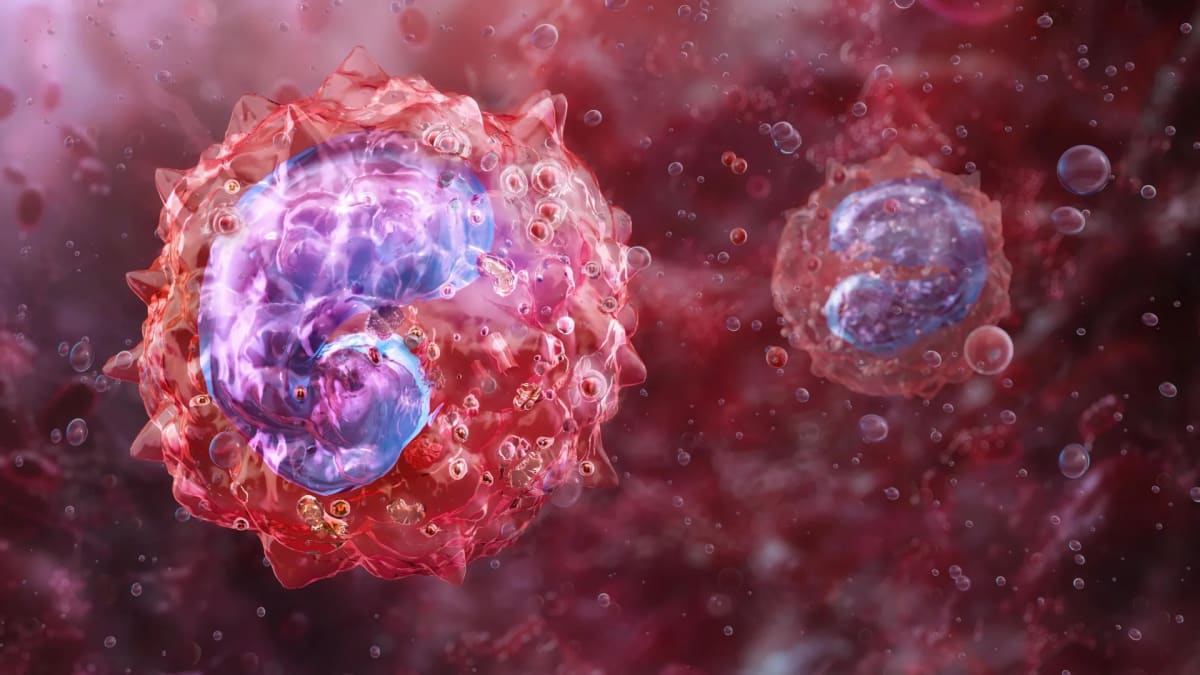
Researchers at Germany's Helmholtz Centre for Infection Research examined immune cells from Long COVID patients using advanced single-cell analysis. They discovered a distinct molecular state in white blood cells called CD14+ monocytes, which they named "LC-Mo."
The finding is especially significant because this immune cell state appeared most commonly in patients who originally had mild or moderate COVID infections. Many of these patients never expected to face long-term health problems.
The research team, led by Professor Yang Li, analyzed individual cells rather than looking at broad immune system patterns. This precision allowed them to spot differences that larger studies had missed.
"We were able to zoom in on these cells and reveal that monocytes with this specific molecular profile were particularly prevalent in Long COVID patients," explains Dr. Saumya Kumar, the study's first author. The LC-Mo cells correlated directly with the severity of fatigue and respiratory symptoms that make daily life challenging for so many.
The researchers also measured cytokine levels in blood plasma. These signaling molecules indicate inflammation, and they were elevated in patients showing the LC-Mo cell state. This connection suggests the immune system remains stuck in an inflammatory loop long after the initial virus clears.
Up to 10 percent of people who contract COVID develop Long COVID, experiencing symptoms that can last months or years. The condition looks different in every patient, with some facing crushing fatigue while others struggle with brain fog, breathing difficulties, or neurological issues.
The Bright Side
This discovery opens doors that were previously locked. Scientists now have a specific cellular target to study, which means they can begin developing treatments tailored to individual patients rather than using one-size-fits-all approaches.
The research could also help doctors predict who might develop Long COVID based on their immune cell profiles. Early intervention could prevent symptoms from becoming chronic.
Beyond COVID, understanding how this immune cell state contributes to lasting illness could unlock answers for other post-infection conditions. Many viral infections leave some patients with lingering symptoms, and the mechanisms behind these chronic conditions have remained mysterious.
The team received funding from multiple sources committed to solving post-COVID challenges, including an ERC Starting Grant and Germany's COVID-19 Research Network. Their work represents collaboration across institutions, including the Medical School Hannover and the University of Virginia.
While researchers haven't yet determined exactly how LC-Mo cells cause symptoms, they've added a crucial piece to the Long COVID puzzle. Future studies will explore genetic risk factors and how to shift these immune cells back to their normal state, bringing relief to millions who thought they might never feel like themselves again.
Based on reporting by Science Daily
This story was written by BrightWire based on verified news reports.
Spread the positivity!
Share this good news with someone who needs it