Scientists Find Key to Fighting Chagas Parasite
Researchers in Brazil discovered how the Chagas disease parasite transforms to infect humans, opening new pathways to combat a disease affecting seven million people worldwide. The breakthrough reveals that chemical changes in specific molecules help the parasite switch from harmless to infectious.
Scientists just unlocked a crucial secret about how a devastating tropical parasite transforms itself to infect millions of people around the world.
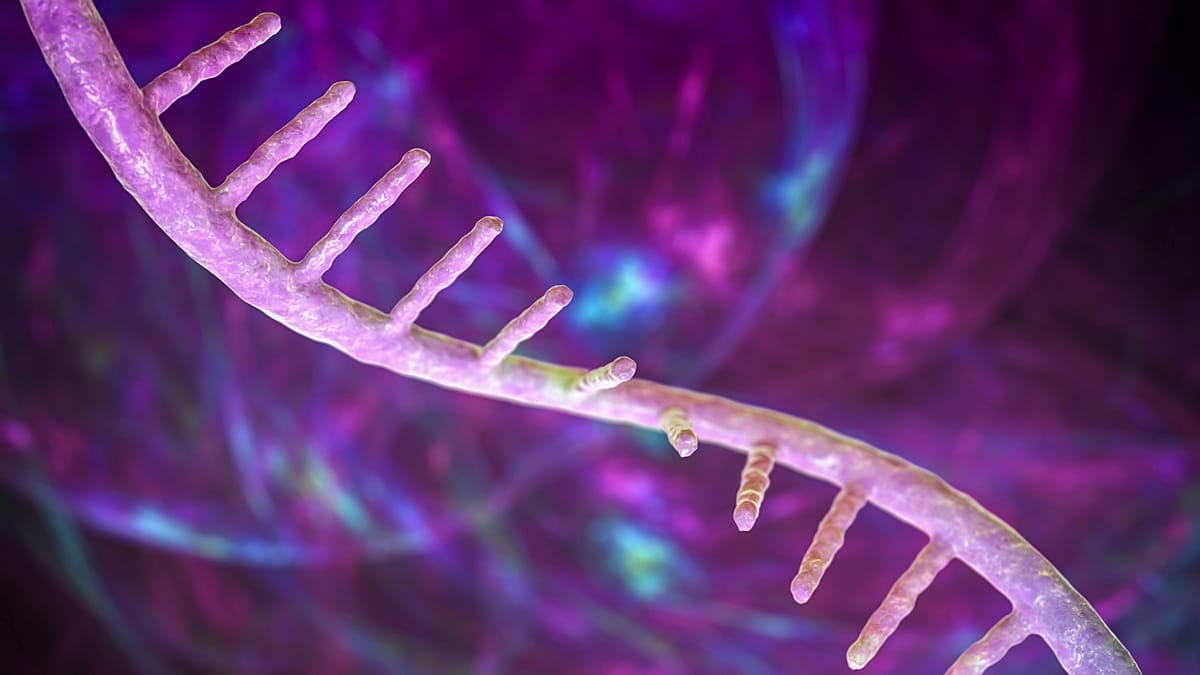
A team of researchers from Brazil and the United States discovered that the Chagas disease parasite uses chemical changes in transfer RNA molecules to shift from a harmless form into one that can invade human cells. The finding, published in PLOS Pathogens in May, could eventually lead to new treatments for a disease that has limited options.
The research team identified 170 modification sites in the parasite's tRNA molecules. These molecules work like cellular delivery drivers, carrying amino acids to build proteins. The modifications either speed up or slow down this delivery process, directly affecting how the parasite produces the proteins it needs to transform.
"We've shown that tRNA modifications change throughout the parasite's life cycle and that those changes are important for facilitating its transformation from a non-infective to an infectious phase," explains lead author Herbert Guimarães de Sousa Silva, who conducted the research at the Federal University of São Paulo and now works at Cornell University.
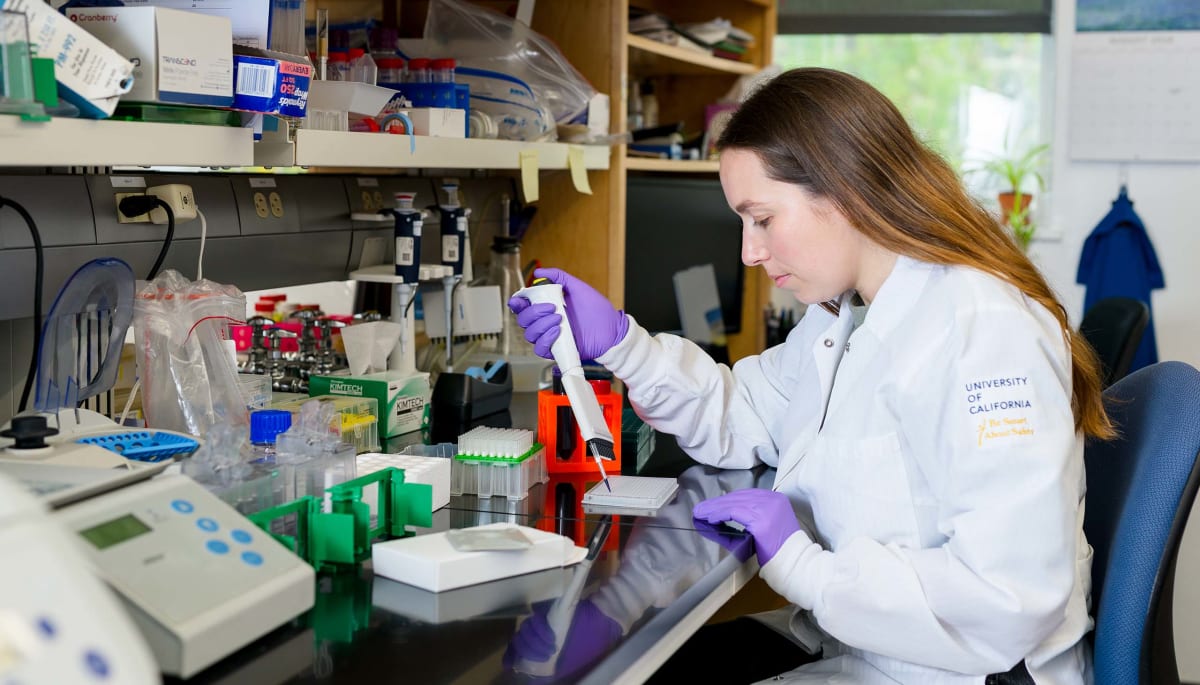
The team used cutting-edge tools including tRNA sequencing, mass spectrometry, and CRISPR gene editing to map these chemical changes. For years, scientists couldn't sequence tRNAs efficiently because the very modifications they wanted to study made the process difficult. Recent technological advances finally made this research possible.
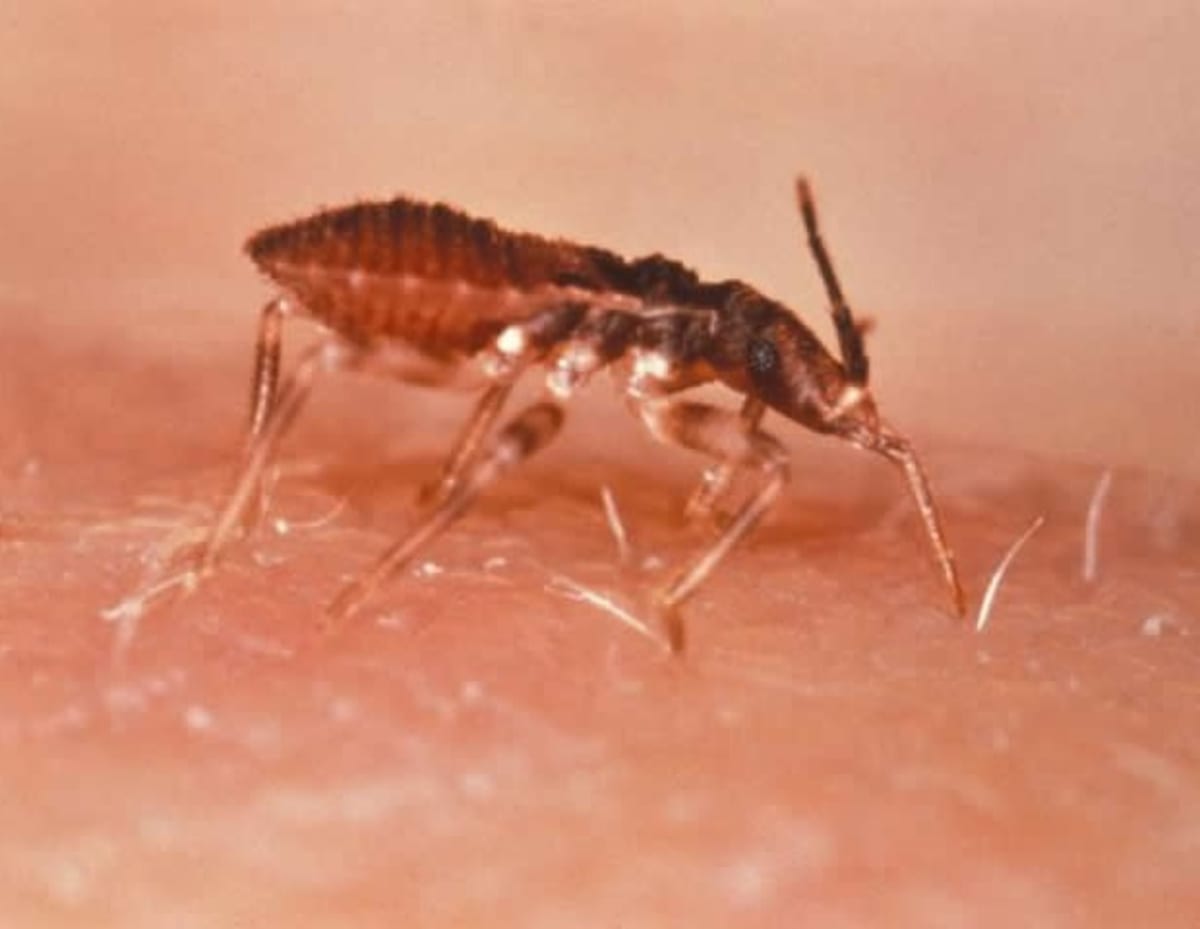
Chagas disease affects approximately seven million people worldwide, primarily in Latin America. The World Health Organization classifies it as a major neglected tropical disease. It spreads through kissing bugs that carry the parasite in their feces, and less commonly through contaminated food, pregnancy, or blood transfusions.
The disease poses a particularly frustrating challenge because symptoms often appear decades after infection. People may not realize they carry the parasite until experiencing serious heart or digestive problems 30 years later. The two approved drugs work best during the acute phase, but that early stage often gets missed because symptoms mimic other common illnesses.
The Ripple Effect
Understanding how the parasite works at a molecular level gives scientists clear targets for developing new therapies. While the researchers emphasize this is basic science research, the approach already shows promise in related fields. Other scientists are investigating similar tRNA modifications as potential weapons against antibiotic-resistant bacteria.
"By understanding the mechanisms, we know where to target the parasite," says co-author Janaina de Freitas Nascimento, a professor at the University of São Paulo. The disease was first described over a century ago but still lacks a vaccine, making every step forward in understanding its biology valuable.
The international collaboration included researchers from Cornell University, Harvard University, the University of São Paulo, and the Butantan Institute, supported by the São Paulo Research Foundation. Their work represents the kind of fundamental scientific discovery that builds the foundation for tomorrow's medical breakthroughs.
Seven million people now have more reason to hope for better treatment options in the future.
More Images

Based on reporting by Google News - Scientists Discover
This story was written by BrightWire based on verified news reports.
Spread the positivity!
Share this good news with someone who needs it