Scientists Find Never-Before-Seen Crystal in 1945 Nuclear Ash
Researchers discovered a bizarre new type of crystal in the radioactive glass created by the world's first atomic bomb test in 1945. The find shows how extreme events create materials that don't exist anywhere else in nature.
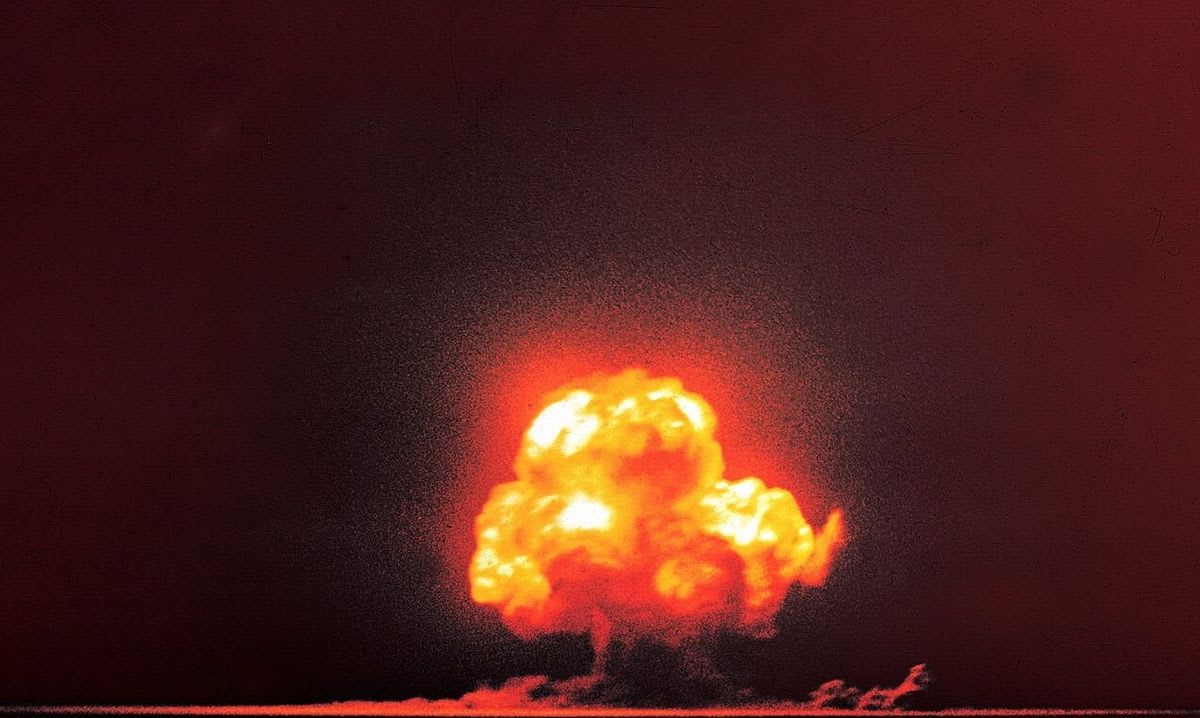
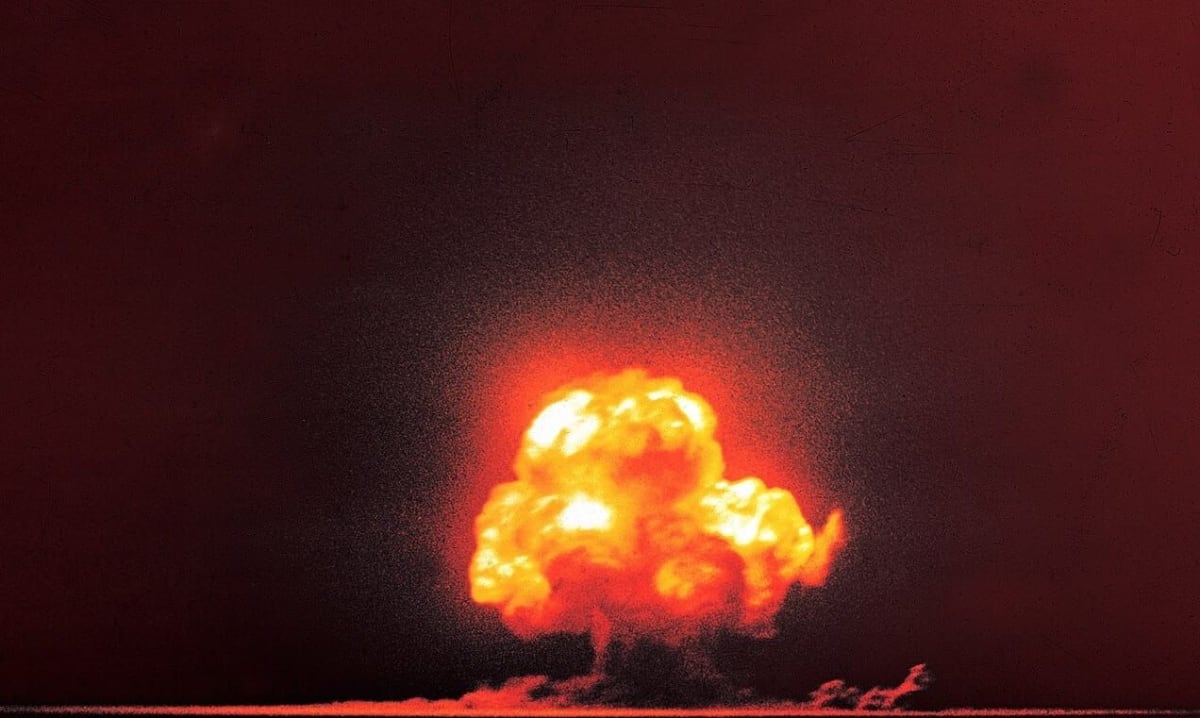
Scientists have discovered a completely new type of crystal hiding in the ashes of the Trinity test, the first nuclear bomb explosion that changed the world 80 years ago.
The July 16, 1945 detonation in New Mexico unleashed such intense heat that it vaporized the test tower and melted desert sand into a strange green glass called trinitite. For decades, researchers have been finding weird and wonderful compounds in this atomic residue, but the latest discovery might be the most unusual yet.
A team led by Luca Bindi from the University of Florence found the first known clathrate structure ever created by a nuclear explosion. Clathrates are special crystals with cage-like frameworks that can trap other molecules inside them, like a microscopic prison for atoms.
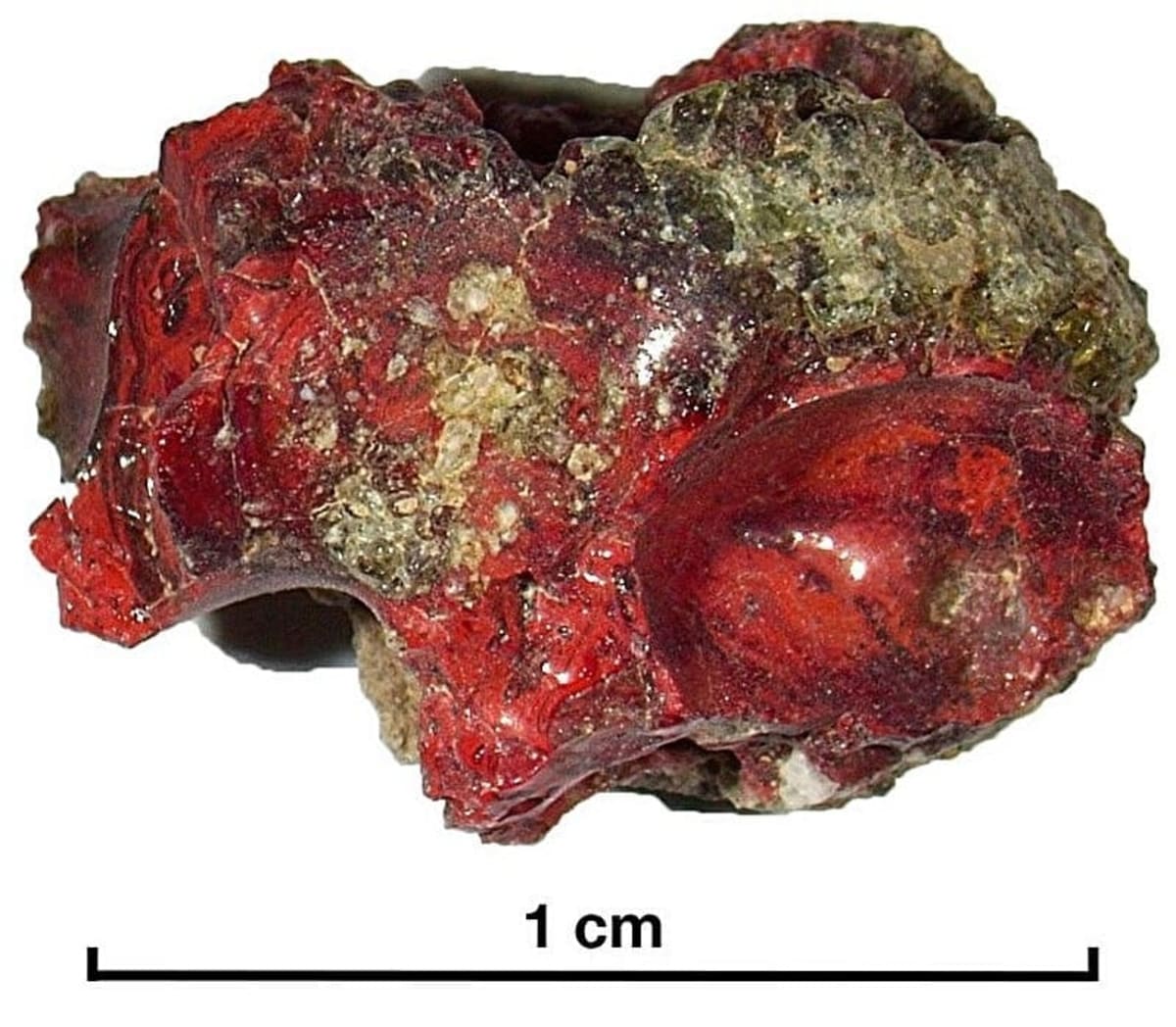
The discovery came from a sample of rare red trinitite. Using advanced crystallography techniques, the team confirmed this was an entirely new form of matter produced by the extreme conditions of the blast.
"This work underscores how rare, high-energy events serve as natural laboratories for producing unexpected crystalline matter," the researchers explained. Nuclear detonations, lightning strikes, and meteorite impacts all create temperatures and pressures that forge materials impossible to make any other way.
Why This Inspires
This discovery reminds us that even humanity's darkest moments can yield knowledge that advances science. The Trinity test marked the beginning of the nuclear age, a frightening turning point in history. Yet eight decades later, scientists are still uncovering secrets in its remnants that help us understand how matter behaves under extreme conditions.
These findings aren't just curiosities. Studying materials formed in nuclear blasts, lightning strikes, and meteor impacts helps scientists understand planetary formation, develop new materials, and piece together the violent events that shaped our universe.
The research also highlights how patient, careful scientific work continues to reveal surprises. Trinitite has been studied for generations, yet researchers are still finding novel compounds that challenge our understanding of chemistry and physics.
Every new discovery in these atomic ashes teaches us something about the fundamental nature of matter itself, turning a weapon's legacy into a gift for future generations.
More Images

Based on reporting by Google News - Scientists Discover
This story was written by BrightWire based on verified news reports.
Spread the positivity!
Share this good news with someone who needs it