Scientists Find New Cat Species Hidden in Bolivia
A tiny spotted wildcat kept as a pet by a Bolivian family turned out to be the first new living cat species discovered in over 100 years. The tilcayo, as locals already knew it, had been hiding in plain sight in Bolivia's remote Yungas mountains.
A local family in Bolivia's mountainous Yungas region thought they'd found an unusual housecat. After a year of watching the little spotted feline display increasingly wild behavior, they handed it over to a wildlife refuge, where a sharp-eyed biologist noticed something remarkable.
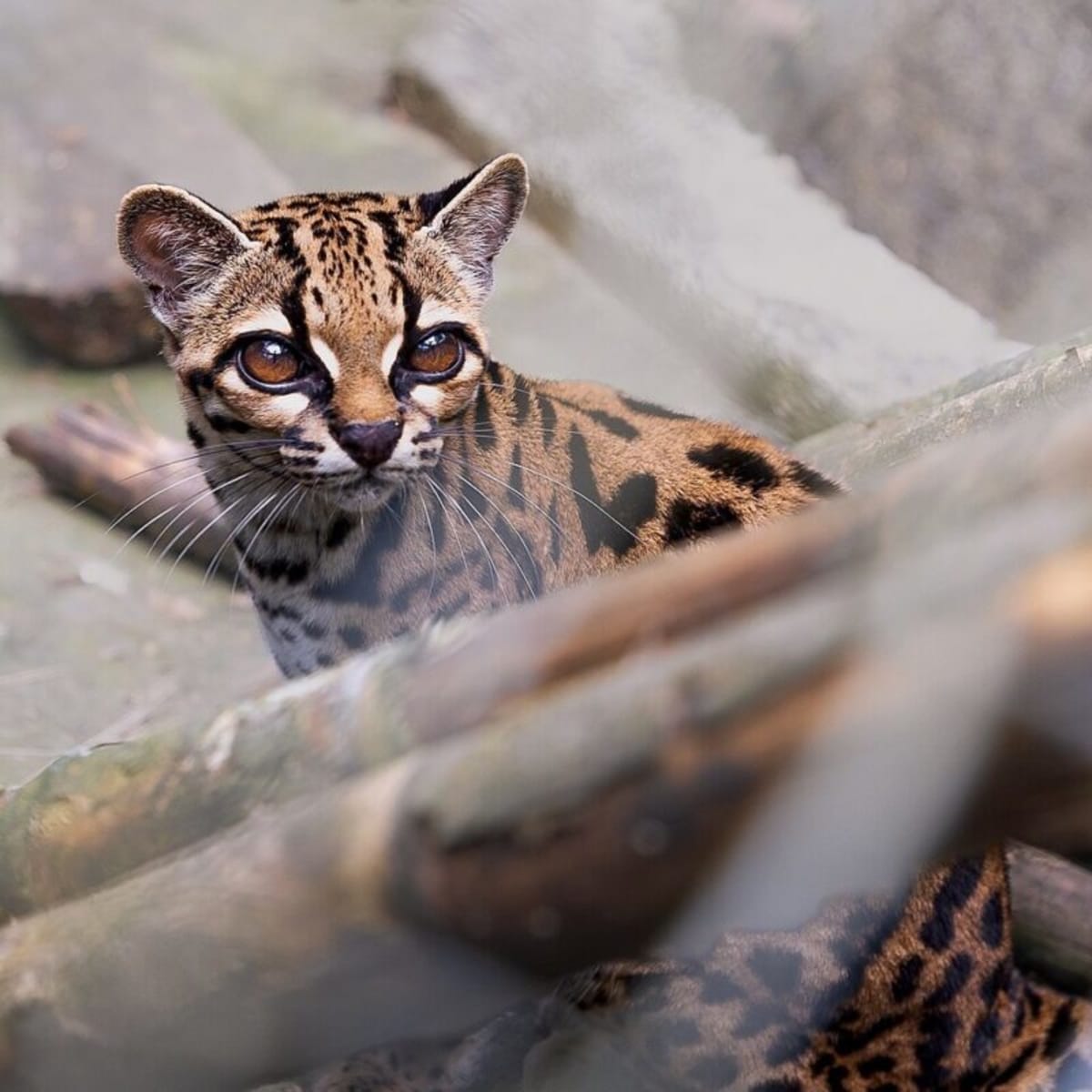
That small cat turned out to be a brand new species. Leopardus tilcayo became the first new living cat species formally recognized by science in more than a century.
Biologist Paola Nogales-Ascarrunz at the Senda Verde wildlife refuge noticed something didn't look quite right about the little cat. Her curiosity sparked a major genetic study that would rewrite what scientists thought they knew about South America's tiger cats.
Researchers collected DNA from 38 tiger cats across Central and South America, including samples from museum specimens collected decades ago. The genetic analysis revealed a stunning truth: what scientists had long treated as one species was actually five distinct evolutionary lineages.
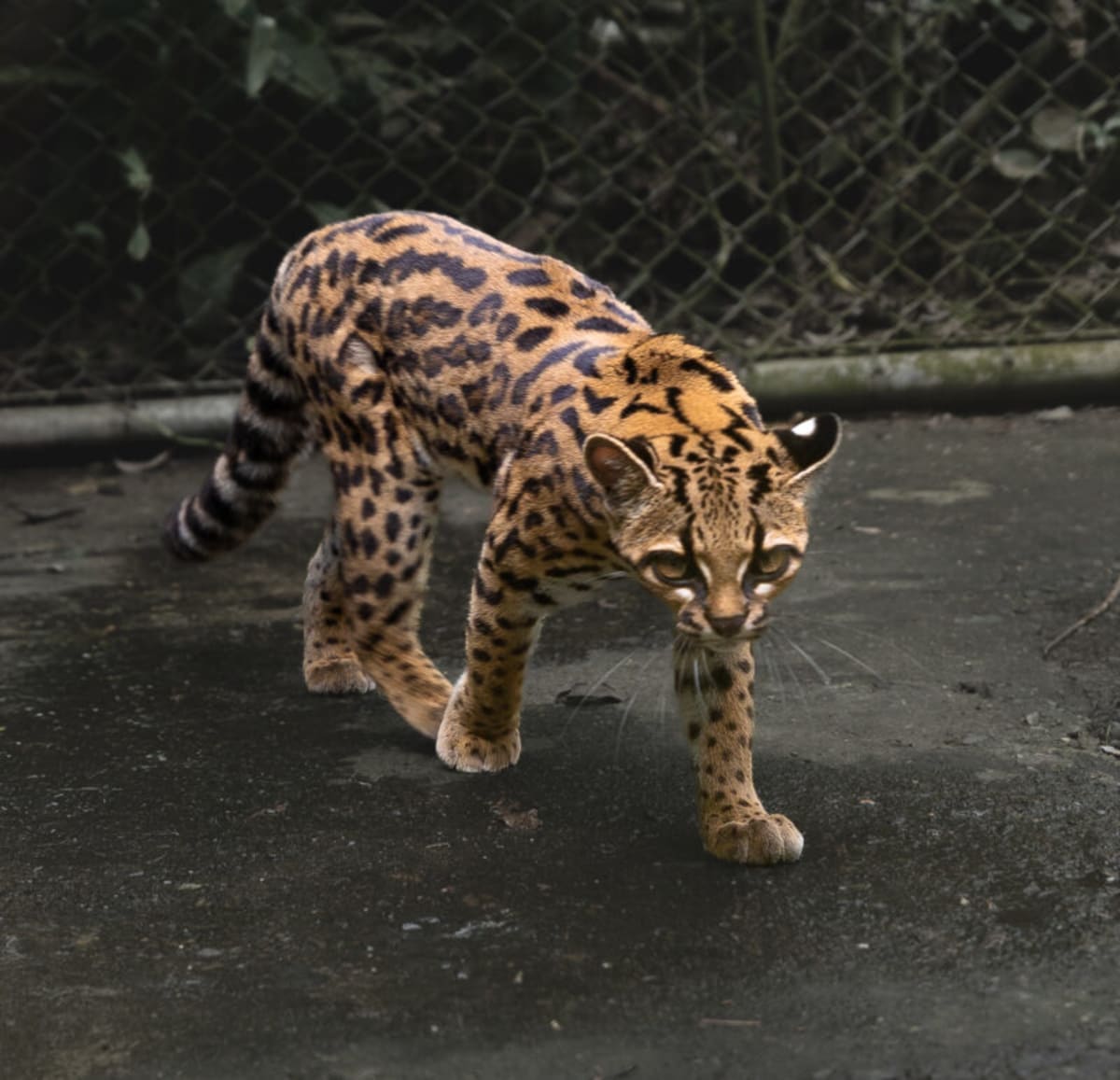
The newly recognized Leopardus tilcayo weighs just 3 pounds and measures about 18 inches from head to tail. Its light brown fur is covered in irregular rosettes, making it look remarkably similar to other tiger cats, which is exactly why scientists overlooked it for so long.
The tilcayo lineage split from its closest relatives around 1.4 million years ago in the Yungas, a mountainous area where forests connect the high Andes with the Amazon. The region is difficult to explore but incredibly rich in wildlife.
Evolutionary biologist Jonas Lescroart told Reuters the discovery caught everyone off guard. "We never expected this Bolivian tiger cat to be a separate species, and no one had ever proposed it as a different animal, subspecies or otherwise," he said.
Why This Inspires
The tilcayo's story reminds us that Earth still holds mysteries waiting to be discovered, even among animals people have known for generations. The local Bolivian communities already had a name for these cats. Science just needed to catch up.
The study, published in Current Biology in September 2026, also used a technique called museomics. This approach extracts DNA from old museum specimens and compares it with genetic material from living animals, turning dusty collections into tools for understanding biodiversity.
Eight of the 38 cats in the study came from natural history museum collections, some collected decades ago. Those preserved specimens helped scientists piece together the evolutionary puzzle spanning an entire continent.
The research team also identified four other tiger cat species: Leopardus tigrinus, Leopardus guttulus, Leopardus emiliae, and Leopardus pardinoides, plus a new subspecies in Peru. Each represents a distinct evolutionary path, genetically separate despite looking nearly identical.
This discovery proves there's still so much to learn about the wildlife sharing our planet, sometimes living right alongside us.
More Images



Based on reporting by Google News - Scientists Discover
This story was written by BrightWire based on verified news reports.
Spread the positivity!
Share this good news with someone who needs it