Scientists Find New Frog Species in Amazon Floodplains
Researchers discovered a new frog species hiding in the Amazon's flooded forests, using DNA analysis and unique mating calls to identify it. The find reveals how much biodiversity scientists are still uncovering in one of Earth's richest ecosystems.
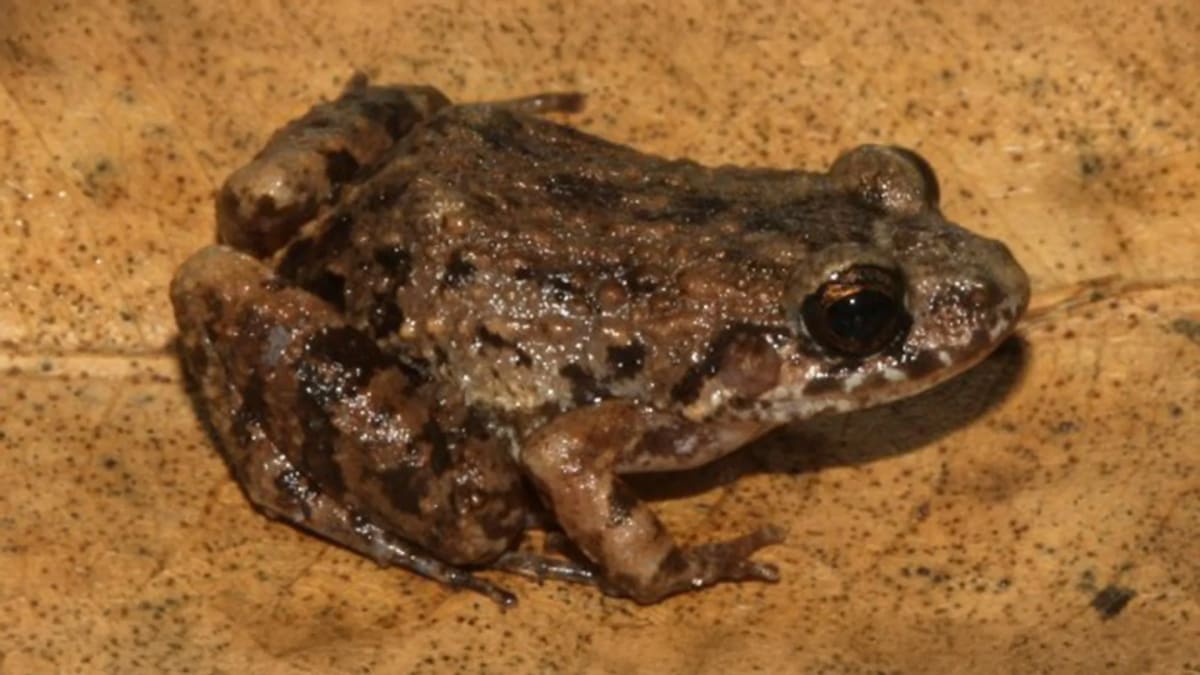
Deep in the Amazon's seasonally flooded forests, a tiny frog has been hiding in plain sight for millennia, and scientists just found it.
Researchers from São Paulo State University and the Federal University of Minas Gerais discovered Adenomera varcena during expeditions near the Moa and Crôa rivers in western Brazil. The frog looks almost identical to its relatives, making it what scientists call a cryptic species: different enough genetically to be entirely separate, but similar enough in appearance that casual observation would miss it.
The discovery required detective work spanning DNA analysis, call recordings, body measurements, and habitat studies. The frog's mating call provided a crucial clue: it produces a short, slow-rhythm sound distinct from related species. Physical examination revealed another difference: unlike its cousins, this frog lacks a dark spot on its forearm.
What makes this discovery especially interesting is where the frog lives. Members of the Adenomera genus typically prefer dryland forests, but this species thrives in areas that flood seasonally. Its name, varcena, specifically references these Amazonian floodplain forests that spend part of each year underwater.
Professor Thiago Carvalho notes that scientists found evidence of numerous other Adenomera lineages still waiting to be formally described. Each discovery paints a richer picture of how amphibians diversified throughout the Amazon basin over millions of years.
Why This Inspires
This discovery reminds us that Earth still holds countless mysteries, even in well-studied regions like the Amazon. Every new species identified expands our understanding of evolution and ecosystem complexity.
The research matters beyond pure scientific curiosity. Professor Célio Haddad explains that formally identifying species gives them legal standing in conservation efforts. Animals not yet recognized scientifically don't appear on threatened species lists or environmental protection policies, leaving them vulnerable even as their habitats face pressure from development and climate change.
Scientists are now racing to document biodiversity faster than ecosystems disappear. While researchers don't yet know how climate shifts might affect seasonal flooding patterns that sustain the frog's habitat, identifying the species is the first step toward protecting it.
The team published their findings in the journal Ichthyology & Herpetology, adding one more piece to the puzzle of Amazonian biodiversity. Their work shows that even in the 21st century, exploration and discovery continue to reveal wonders we never knew existed.
Each new species found is a reminder that protecting wild places means safeguarding not just the animals we know, but countless others still waiting to be discovered.
Based on reporting by Google News - Scientists Discover
This story was written by BrightWire based on verified news reports.
Spread the positivity!
Share this good news with someone who needs it