Scientists Find New Target for Cancer Immunotherapy
Researchers accidentally discovered a protein that appears only on cancer cells, not healthy tissue. This breakthrough could help doctors create more precise cancer treatments with fewer side effects.
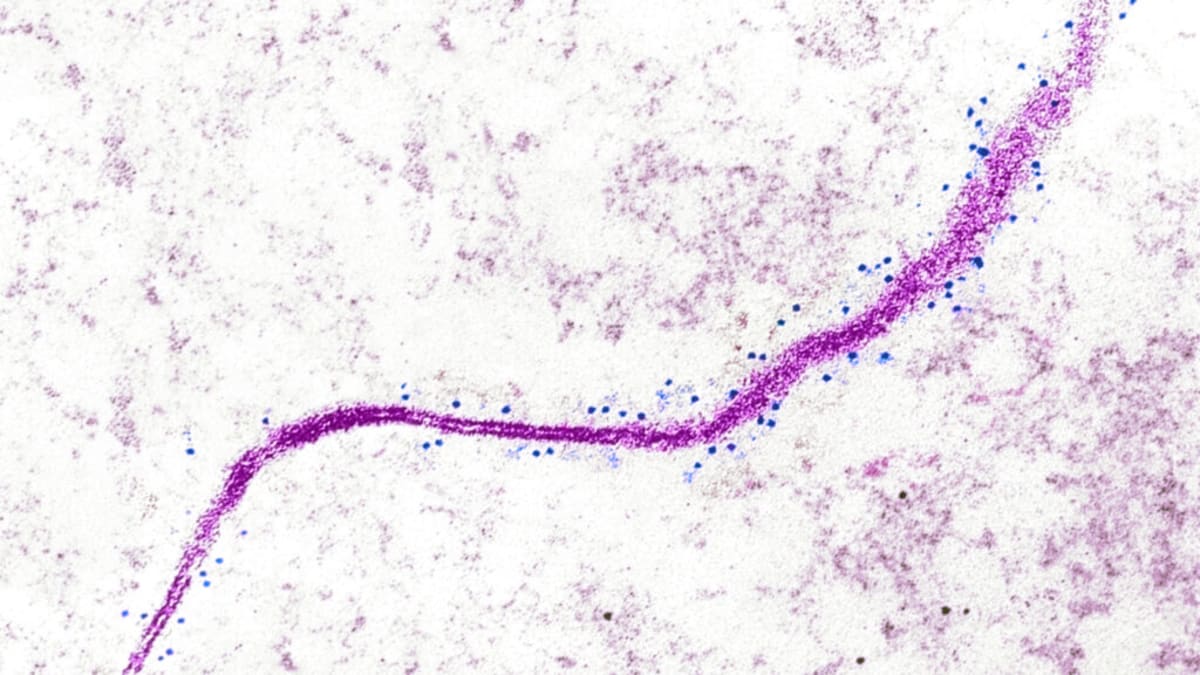
Scientists at the University of California San Francisco stumbled upon something that wasn't supposed to exist: a protein sitting on the outside of cancer cells where it doesn't belong.
Jim Wells and his team were studying proteins on tumor surfaces when they noticed Src, a protein that normally stays tucked inside all cells. The twist? This misplaced protein only showed up on malignant cells, never on healthy tissue.
The discovery, published in Science, could solve one of cancer treatment's biggest puzzles. For years, doctors have struggled to find targets that appear only on tumors, making it hard to design immunotherapies that attack cancer without harming healthy cells.
Think of it like finding a unique address that only exists on houses you want to demolish. Src appearing on the cancer cell surface gives the immune system a clear target, like painting a bullseye on tumor cells while leaving everything else untouched.
The accidental nature of the find makes it even more remarkable. Wells called it serendipitous, the kind of happy accident that drives science forward.
Kathleen Yates, a biologist at the Broad Institute who reviewed the study, called the finding provocative and exciting. She noted that while the team accomplished a great deal, researchers still need to determine how well this discovery translates into actual treatments for patients.
Why This Inspires
This discovery represents progress toward personalized cancer medicine that works smarter, not harder. Solid tumors have been notoriously difficult to treat with immunotherapy compared to blood cancers, partly because finding unique targets has been so challenging.
If Src proves to be a reliable marker across different cancer types, it could open doors for new treatments that harness the body's immune system with precision. The beauty lies in the specificity: attacking only what needs to be attacked.
The research shows how scientific breakthroughs often come from unexpected places. Wells wasn't looking for Src on the cell surface, yet there it was, waiting to be noticed by someone paying attention.
Cancer immunotherapy has already transformed treatment for some patients, but many still don't respond or experience serious side effects. Finding targets like surface Src could expand who benefits from these cutting-edge therapies while making them safer.
The next steps involve testing whether targeting this protein can actually shrink tumors in patients, but the foundation is promising.
More Images



Based on reporting by STAT News
This story was written by BrightWire based on verified news reports.
Spread the positivity!
Share this good news with someone who needs it