Scientists Find Protein That Could Reverse Hair Loss
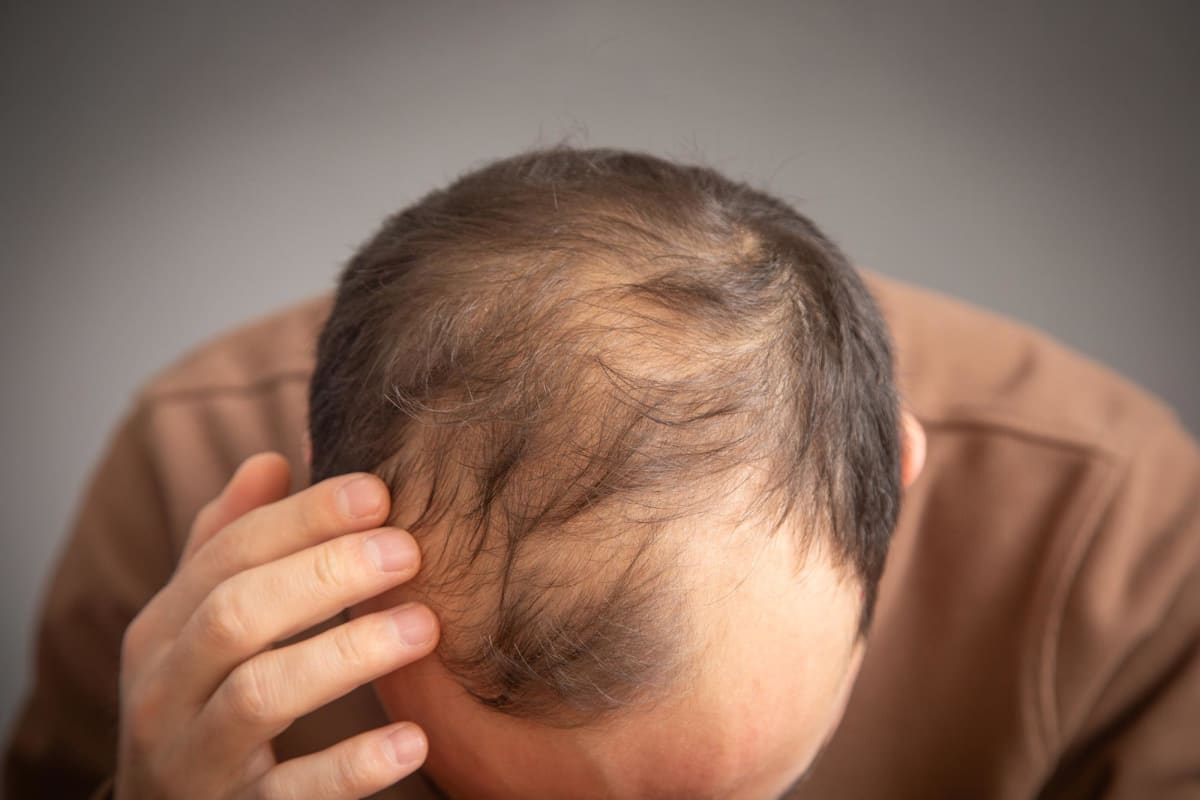
Researchers have discovered why hair follicle stem cells sometimes fail to regrow hair and identified a protective protein that could change treatment forever. The breakthrough offers hope for millions facing alopecia and other forms of hair loss.
Hair follicle stem cells face a dangerous moment every time they try to regrow hair, and scientists have just figured out why so many of them don't survive the process.
An international research team discovered that a protein called MCL-1 acts as a lifeline for these cells during their most vulnerable phase. When MCL-1 is missing or fails, the stem cells self-destruct before they can complete hair regrowth.
The finding could explain why nearly 2% of people worldwide experience alopecia, an autoimmune disorder that causes hair loss across the scalp and body. Current treatments mostly address symptoms, but this research points directly at what's breaking down at the cellular level.
Hair follicles cycle through growth, rest, and regrowth constantly. The trouble starts when dormant stem cells wake up to begin rebuilding hair. That activation process puts massive stress on their DNA and energy systems.
The researchers tested their theory by removing MCL-1 from mouse skin cells. Early in life, hair follicles formed normally. But as the mice aged and stem cells tried to activate for new growth cycles, they became overwhelmed and died off, leading to progressive hair loss.
When the team triggered regrowth in adult mice by removing hair, follicles lacking MCL-1 couldn't recover at all. The stem cells needed to restart the cycle were eliminated before they could do their job.
Here's what's happening inside each cell: activation causes DNA damage, which triggers a quality control protein called P53. If the damage seems too severe, P53 pushes the cell toward self-destruction. MCL-1 counterbalances this response, giving cells time to repair damage and continue growing.
When scientists removed both the P53 gene and MCL-1, hair growth resumed. The discovery reveals that successful hair regrowth depends on a delicate balance between survival signals and programmed cell death.
Why This Inspires
This research shifts the conversation about hair loss treatment in a hopeful new direction. Instead of focusing only on hormones or immune responses, scientists can now target the survival of stem cells at their most critical moment.
The team also identified a broader network controlling this balance, including a signaling pathway called ERBB that boosts MCL-1 production. Even more promising, they found that removing just one copy of a cell death gene called BAK was enough to restore normal hair growth without MCL-1.
Future therapies might protect stem cells by stabilizing MCL-1 or reducing stress-related cell death. The approach could finally address why some current treatments fail: if stem cells can't survive activation, hair simply cannot regrow.
The implications reach beyond hair loss too. Similar survival mechanisms operate in other tissues that depend on stem cells for repair, opening doors for treating various regenerative conditions.
Millions of people living with hair loss now have reason to hope that truly effective treatments are on the horizon.
More Images
Based on reporting by Google News - Scientists Discover
This story was written by BrightWire based on verified news reports.
Spread the positivity!
Share this good news with someone who needs it