Scientists Find Protein That Could Reverse Lung Scarring
Researchers discovered how a protein called vitronectin triggers deadly lung scarring, opening the door to new treatments for a disease that currently has no cure. The breakthrough could help thousands living with pulmonary fibrosis breathe easier.
Scientists just unlocked a mystery that could save thousands of lives threatened by a deadly lung disease with no cure.
Researchers at the University of Technology Sydney and Monash University identified vitronectin, a protein in the lungs that switches on the scarring process in pulmonary fibrosis. This discovery reveals why some people's lungs fill with scar tissue instead of healing properly after injury.
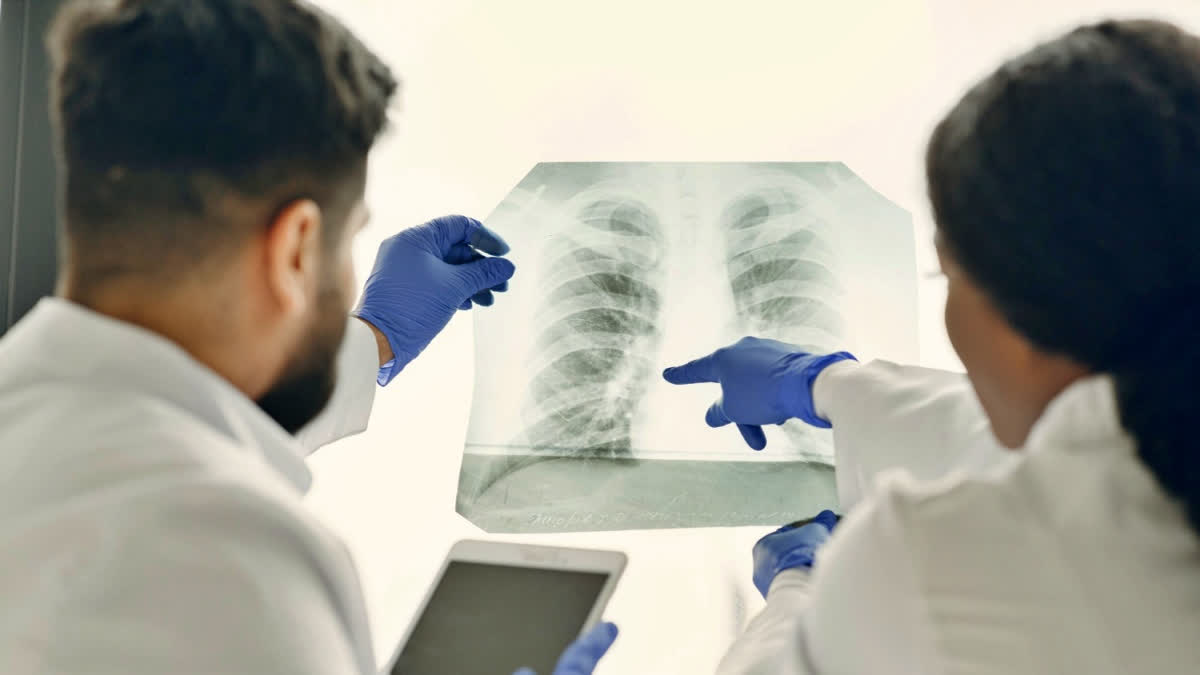
Pulmonary fibrosis affects the lungs like rust spreading through metal. Scar tissue gradually replaces healthy lung tissue, making every breath harder. The most common form, idiopathic pulmonary fibrosis, gives patients just two to five years after diagnosis.
"In pulmonary fibrosis, the normal wound healing process in the body goes wrong," said Associate Professor Gang Liu from UTS. "Instead of repairing damaged tissue, it starts to produce scar tissue in the lungs."
The team discovered that immune cells called macrophages, which normally help repair tissue, get reprogrammed by vitronectin to create scarring instead. Associate Professor Katrina Binger from Monash University created a 3D tissue culture system that mimics the scarred lung environment to understand exactly how this happens.
"We normally think of vitronectin as a structural protein that maintains the integrity of organs like the lungs," Binger explained. "But we found it also acts as a signal." That signal changes how macrophages produce energy, driving them into a heightened scarring state.
The breakthrough came from studying cells in more natural, three-dimensional environments rather than flat lab dishes. What the team saw in their 3D cultures matched perfectly with animal models and tissue samples from actual patients with the disease.
The Bright Side
Only two drugs currently exist to treat idiopathic pulmonary fibrosis, and neither can reverse the scarring or cure the disease. This discovery changes everything by revealing a completely new target for treatment.
The research team is now working to identify drugs that can block vitronectin's harmful signaling. By stopping this protein from reprogramming helpful immune cells into scar-producing ones, future treatments could potentially reverse lung damage rather than just slow it down.
"Understanding this mechanism is critical to identifying new therapeutic agents for fibrosis patients," Liu said. The path from lab discovery to medicine cabinet takes time, but knowing exactly what to target dramatically speeds up drug development.
For the thousands diagnosed with pulmonary fibrosis each year, this research offers something they haven't had before: genuine hope for a cure that could give them back their breath and their futures.
More Images




Based on reporting by Google News - Breakthrough Discovery
This story was written by BrightWire based on verified news reports.
Spread the positivity!
Share this good news with someone who needs it