Scientists Find Spider That Looks Like a Parasitic Fungus
Researchers in Ecuador discovered a spider that perfectly disguises itself as a deadly fungus that infects spiders. The find shows nature's creativity and highlights how citizen scientists are helping discover hidden wonders in rainforests.
Scientists in Ecuador's Amazon rainforest thought they spotted a mushroom during a nighttime survey. They were stunned to discover it was actually a spider with one of nature's most unusual disguises.
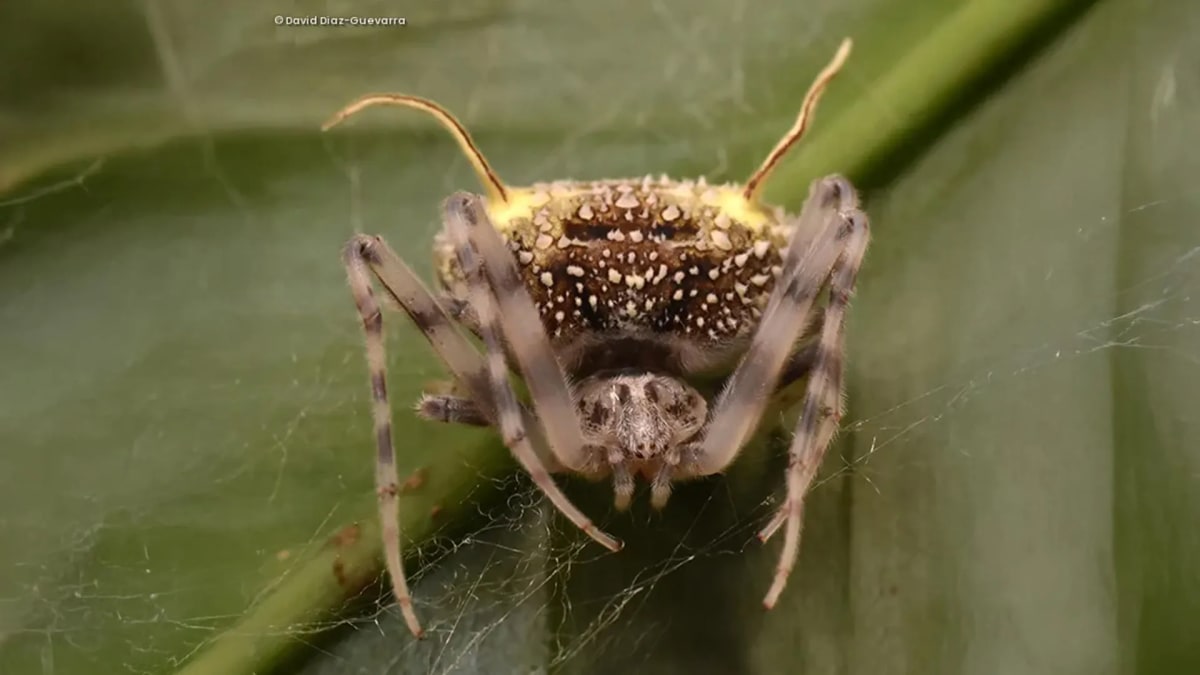
The newly identified species, named Taczanowskia waska, mimics the appearance of Gibellula, a parasitic fungus that grows on dead spiders. The spider has elongated structures extending from its body and pale coloring that makes it look exactly like fungal growth.
But the disguise goes beyond looks. The spider hangs motionless on the undersides of leaves, the exact spot where these fungi typically appear. This combination of appearance and behavior creates such a convincing illusion that even trained researchers initially mistook it for an actual mushroom.
Scientists say this is the first known case of a spider imitating a parasitic fungus that infects other spiders. By looking like something predators ignore or avoid, the spider likely reduces its chances of becoming dinner. The disguise may also help it hunt by allowing it to stay hidden until prey comes close enough to catch.
The discovery happened thanks to an unusual partnership between professional scientists and everyday nature watchers. Someone posted a photo on iNaturalist, a citizen science platform where people share wildlife observations. Users debated whether the image showed a mushroom or something else entirely, eventually catching the attention of researchers.
An international team including scientists from the Leibniz Institute for the Analysis of Biodiversity Change examined the specimen and confirmed it as a new species. Nadine Dupérré, who studies spiders at the Museum of Nature Hamburg, compared it with historical specimens in scientific collections to help classify the find.
The Llanganates-Sangay Corridor where researchers found the spider is known for remarkable biodiversity. Scientists say the genus Taczanowskia remains poorly understood because these spiders are rarely encountered in the wild. Much of their behavior and ecology remains a mystery.
Why This Inspires
This discovery reminds us how much wonder still waits to be found in our world. Rainforests hold countless species we haven't met yet, and everyday people with smartphones are now helping scientists uncover them.
The finding also shows how international cooperation and new technology are opening doors to understanding nature in ways that weren't possible before. Museum collections built over decades combined with modern citizen science platforms to reveal a spider that hides in plain sight by looking like the very thing that could kill it.
Nature's creativity continues to surprise us, and there are still countless secrets waiting in the trees.
Based on reporting by Science Daily
This story was written by BrightWire based on verified news reports.
Spread the positivity!
Share this good news with someone who needs it